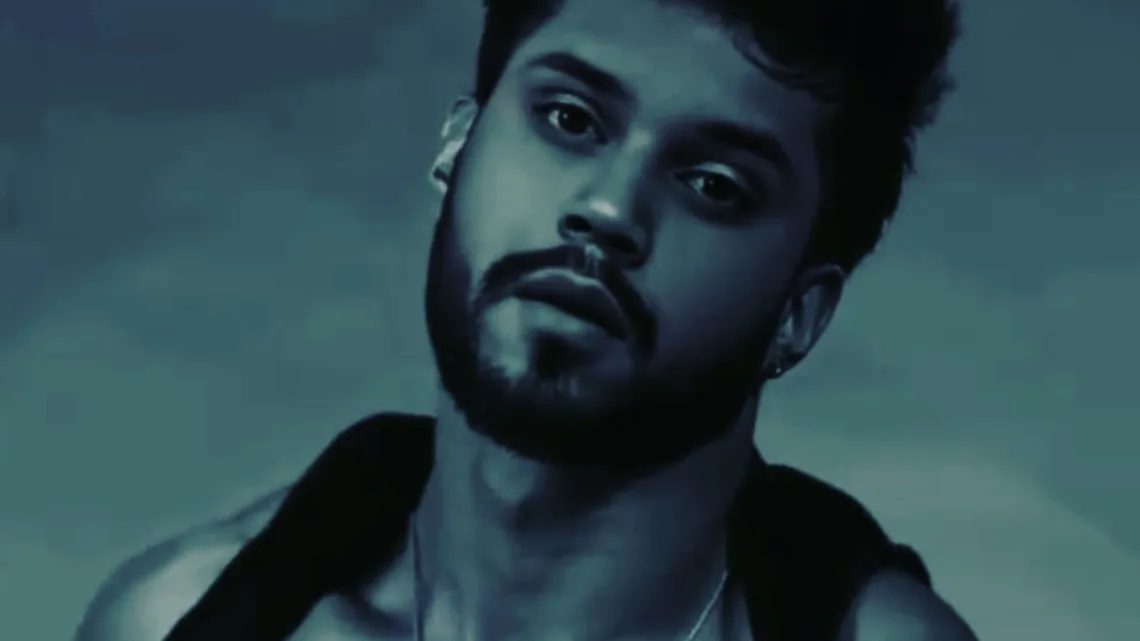
Abu Sayed Biography: Age, Awards, Religion, Family, Death, Siblings
Md. Abu Sayed, widely known as Abu Sayed, was a Bangladeshi student activist whose death during the 2024 quota reform protests became one of the defining events of the July Mass Uprising.
He was a student in the English Department at Begum Rokeya University, Rangpur, and became nationally recognized after video footage showed him standing with his arms outstretched in front of police shortly before he was shot on July 16, 2024.
Trending Now!!:
His death intensified the nationwide protests, and the International Crimes Tribunal later convicted 30 people in connection with his killing, with two former police officers receiving death sentences in April 2026.
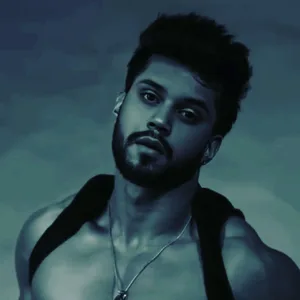
| Abu Sayed | |
|---|---|
|
|
| Wiki Facts & About Data | |
| Real Name: | Md. Abu Sayed |
| Stage Name: | Abu Sayed |
| Born: | December 10, 2000 (age 25 years old) |
| Place of Birth: | Babanpur, Pirganj, Rangpur, Bangladesh |
| Nationality: | Bangladeshi |
| Ethnicity: | Bengali |
| Religion: | Islam |
| Parents: | Maqbul Hossain, Monowara Begum |
| Siblings: | Five brothers, three sisters |
| Occupation: | Student Activist, Movement Coordinator |
| Net Worth: | $5,000 |
Early Life and Education
Abu Sayed was born on December 10, 2000, in Babanpur village of Pirganj Upazila in Rangpur, Bangladesh, and was 23 years old when he died in July 2024. He grew up in a large family under modest financial circumstances.
His father, Maqbul Hossain, and mother, Monowara Begum, supported his education despite the family’s limited resources.
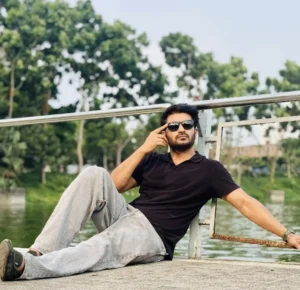



He was the youngest among six brothers and three sisters, and his older siblings helped the family financially so that he could continue his studies.
Sayed performed strongly throughout his early education. He received a talent-pool scholarship during primary school and later earned a Golden GPA-5 in his Secondary School Certificate examination at Khalashpir Bilateral High School.
He subsequently received support through the Babylon Scholarship Program and completed his Higher Secondary Certificate at Rangpur Government College with another GPA-5.
He then entered the English Department at Begum Rokeya University, Rangpur, as part of the university’s 12th batch.
Personal Life
Abu Sayed was unmarried and had no children when he died. His life during his university years was largely centered on his education, private tutoring, his family, and his involvement in student activities.
He lived in Rangpur as a university student while working as a private tutor to support himself and reduce the financial pressure on his family.
Career
Abu Sayed was a university student rather than a conventional professional activist.
His public involvement grew through his participation in the student movement against the quota system in government employment.
In July 2024, he joined the Anti-Discrimination Student Movement, which organized demonstrations demanding reform of the government-job quota system.
On July 16, 2024, Sayed participated in a demonstration near the main gate of Begum Rokeya University in Rangpur. Video footage showed him standing in front of police with his arms extended shortly before police opened fire.
He was subsequently taken to Rangpur Medical College Hospital, where he was declared dead. The footage of the shooting spread widely and turned him into a central figure associated with the July uprising.
His death became a major turning point in the movement. The protests expanded nationally after his killing and eventually became the July Mass Uprising.
The International Crimes Tribunal later described his killing as a crime against humanity and identified him as the first martyr of the 2024 July uprising.
Awards
- Shaheed Category – National Honors of the Interim Government of Bangladesh (2024)
Net Worth
Abu Sayed had an estimated net worth of $5,000 at the time of his death.
He was primarily a university student and earned additional income through private tutoring. His financial situation was closely tied to his education and his family’s modest economic circumstances.
Death
Abu Sayed died on July 16, 2024, at the age of 23 after being shot near the main gate of Begum Rokeya University in Rangpur during the quota reform protests.
Video footage from the incident showed him standing with his arms outstretched before police gunfire struck him. He was taken to Rangpur Medical College Hospital, where he was pronounced dead.
His death quickly became one of the most widely discussed incidents of the movement. His image from the protest was repeatedly shared across Bangladesh and internationally, and his killing became a central part of the subsequent legal proceedings concerning the July 2024 crackdown.
Controversy
The circumstances surrounding Abu Sayed’s death became the subject of a major criminal and human-rights case.
An initial police report claimed that protesters had fired weapons and thrown bricks and that Sayed had fallen during the confrontation. Video evidence showing police shooting toward him became central to subsequent investigations and proceedings.
On April 9, 2026, the International Crimes Tribunal-2 convicted 30 people in the case. Former assistant sub-inspector Amir Hossain and former constable Sujan Chandra Roy were sentenced to death, while three other defendants received life imprisonment and others received different prison terms.
Four convicted individuals later filed appeals seeking acquittal, meaning the legal process has continued beyond the original tribunal judgment.
Filmography
- The July Mass Uprising (2024)
- Quota Reform Movement (2024)
What People Ask
NOTICE!! NOTICE!! NOTICE!!
At TheCityCeleb, we strive to provide accurate and up-to-date biographies and entertainment news, focusing on celebrities. Our editorial team researches information from reputable sources, including interviews, official statements, and verified media.If you spot an error or have additional details, please contact us at editor@thecityceleb.com. We value your feedback and are committed to maintaining trustworthy content.