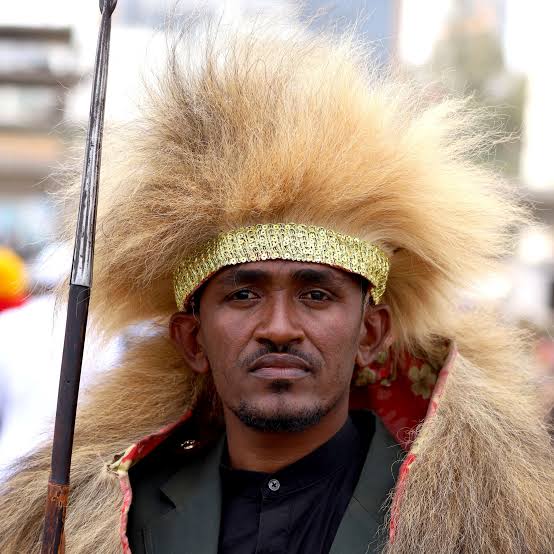
Hachalu Hundessa Biography: Net Worth, Songs, Age, Wife, Controversy, Parents, Death, Ethnicity
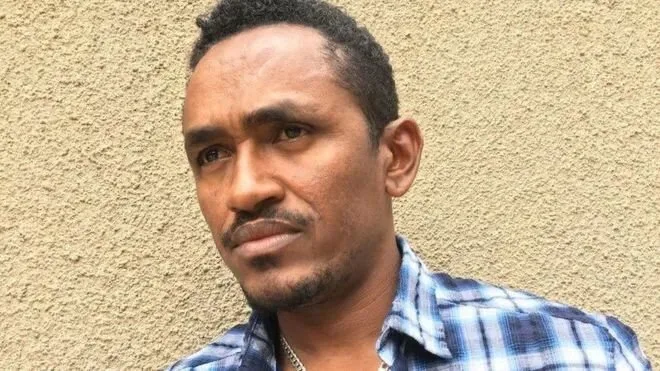
Hachalu Hundessa Boonsaa, popularly known as Hachalu Hundessa, was an Ethiopian singer, songwriter, and civil rights activist whose music became a powerful symbol of political and cultural awakening among the Oromo people.
He gained widespread recognition through emotionally charged songs that addressed social justice, identity, and freedom, helping to inspire a generation of young Ethiopians during a period of significant political change.
Trending Now!!:
He further established himself as one of the most influential voices in modern Ethiopian music by blending traditional Oromo sounds with contemporary themes of resistance and hope.
His impact extended far beyond entertainment, making him a cultural icon whose legacy continues to resonate throughout Ethiopia and among Oromo communities worldwide.
| Hachalu Hundessa | |
|---|---|
|
|
| Wiki Facts & About Data | |
| Real Name: | Hachalu Hundessa Boonsaa |
| Stage Name: | Hachalu Hundessa |
| Born: | January 1, 1986 |
| Died: | 34 years |
| Place of Birth: | Ambo, Oromia Region, Ethiopia |
| Nationality: | Ethiopian |
| Ethnicity: | Oromo |
| Religion: | Christianity |
| Parents: | Hundessa Bonsa and Gudatu Hora |
| Siblings: | Habtamu Hundessa and seven other siblings |
| Spouse: | Fantanesh Demisse |
| Relationship: | Married (at the time of death) |
| Children: | Milki Hachalu, Wobi Hachalu, and Gifti Hachalu |
| Occupation: | Singer, Songwriter, and Civil Rights Activist |
| Net Worth: | $500,000 |
Early Life and Education
Hachalu Hundessa Boonsaa was born on January 1, 1986, in Ambo, Oromia Region, Ethiopia.


He was raised by his parents, Hundessa Bonsa and Gudatu Hora, in a large Oromo family that included eight children.
Growing up in one of the historic centers of Oromo political activism exposed him to social and political issues from an early age.
Hachalu Hundessa was raised within the Christian faith and developed a strong connection to Oromo culture and traditions.
During his childhood, he balanced school with household responsibilities, including helping to care for livestock.
Music became an important part of his life while he was still a student, and he actively participated in school cultural activities.
Hachalu Hundessa attended local schools in Ambo and completed much of his education there.
His academic journey was interrupted in 2003 when, at the age of 17, he was arrested for participating in political demonstrations.
He spent approximately five years in prison, where he began writing many of the songs and lyrics that would later define his musical career.
Personal Life
Hachalu Hundessa was married to Fantanesh Demisse. Their relationship began during their youth in Oromia, and she remained a constant source of support throughout his imprisonment, rise to fame, and activism.
Hachalu Hundessa and Fantanesh Demisse had three daughters: Milki Hachalu, Wobi Hachalu, and Gifti Hachalu.
He was known to be deeply devoted to his family and often spoke about the importance of his cultural roots and responsibilities as a husband and father.
Hachalu Hundessa maintained a relatively private family life despite his immense public influence. He lived primarily in Addis Ababa with his wife and children until his death in 2020.
Career
Hachalu Hundessa launched his professional music career shortly after his release from prison in 2008.
The songs he had written while incarcerated became the foundation of his debut album, Sanyii Mootii, which was released in 2009 and quickly gained popularity among Oromo audiences.
Hachalu Hundessa strengthened his reputation through music that addressed social injustice, political marginalization, and the aspirations of the Oromo people.
His songs resonated with listeners across Ethiopia and within Oromo communities abroad, turning him into a leading cultural figure.
Hachalu Hundessa released his second studio album, Waa’ee Keenyaa, in 2013. The project expanded his international reach and further solidified his position as one of Ethiopia’s most influential musicians.
During this period, he toured internationally and performed for large Oromo diaspora communities.
Hachalu Hundessa became one of the most recognizable voices associated with the Oromo protest movement between 2014 and 2018.
His songs served as rallying cries for many demonstrators and were widely credited with helping to inspire political engagement among young people.
Hachalu Hundessa completed work on his third studio album, Maal Mallisaa, shortly before his death. The album was released posthumously and remains an important part of his musical legacy.
Awards
- Oromia Entertainment Award for Best Album of the Year (2014)
- Leza Awards Special Recognition for Cultural Impact (2018)
Net Worth
Hachalu Hundessa had an estimated net worth of $500,000 at the time of his death. His earnings came primarily from music sales, concert performances, international tours, streaming revenue, and publishing rights associated with his musical works.
Death
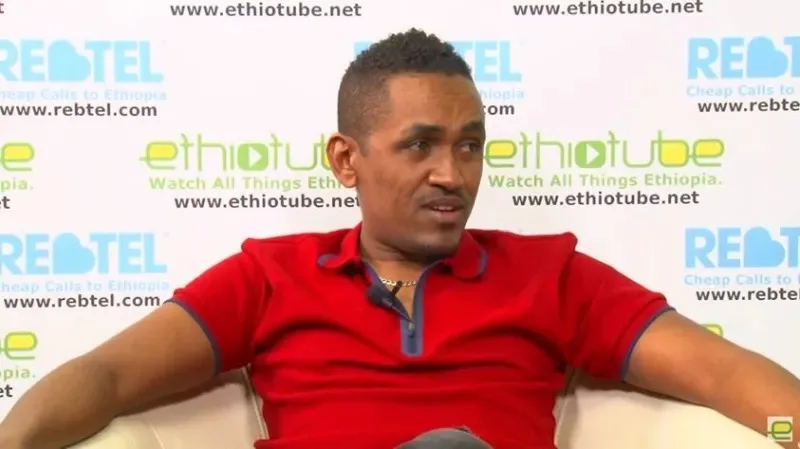
Hachalu Hundessa died on June 29, 2020, in Addis Ababa, Ethiopia, after being shot by unidentified assailants. He was rushed to a medical facility for emergency treatment but later succumbed to his injuries at the age of 34.
Hachalu Hundessa‘s death sparked widespread protests, unrest, and mourning across Ethiopia, particularly within the Oromia Region.
His assassination became one of the most significant and controversial events in recent Ethiopian history, drawing international attention and prompting extensive political debate.
Hachalu Hundessa was laid to rest in his hometown of Ambo under heavy security.
His funeral attracted thousands of mourners who gathered to honor his contributions to music, culture, and social activism.
Controversy
Hachalu Hundessa frequently found himself at the center of political controversy because of the outspoken nature of his music and public commentary.
His songs often challenged political structures and addressed issues affecting the Oromo community, making him both admired and criticized across different segments of Ethiopian society.
Hachalu Hundessa‘s assassination generated competing political narratives and intensified existing tensions within Ethiopia.
Questions surrounding the motives behind the killing, the individuals responsible, and the broader political implications remain subjects of discussion and debate.
Social Media
- YouTube: @HachaluHundessaa
Discography
- Sanyii Mootii (2009)
- Waa’ee Keenyaa (2013)
- Maal Mallisaa (2021)
NOTICE!! NOTICE!! NOTICE!!
At TheCityCeleb, we strive to provide accurate and up-to-date biographies and entertainment news, focusing on celebrities. Our editorial team researches information from reputable sources, including interviews, official statements, and verified media.If you spot an error or have additional details, please contact us at editor@thecityceleb.com. We value your feedback and are committed to maintaining trustworthy content.