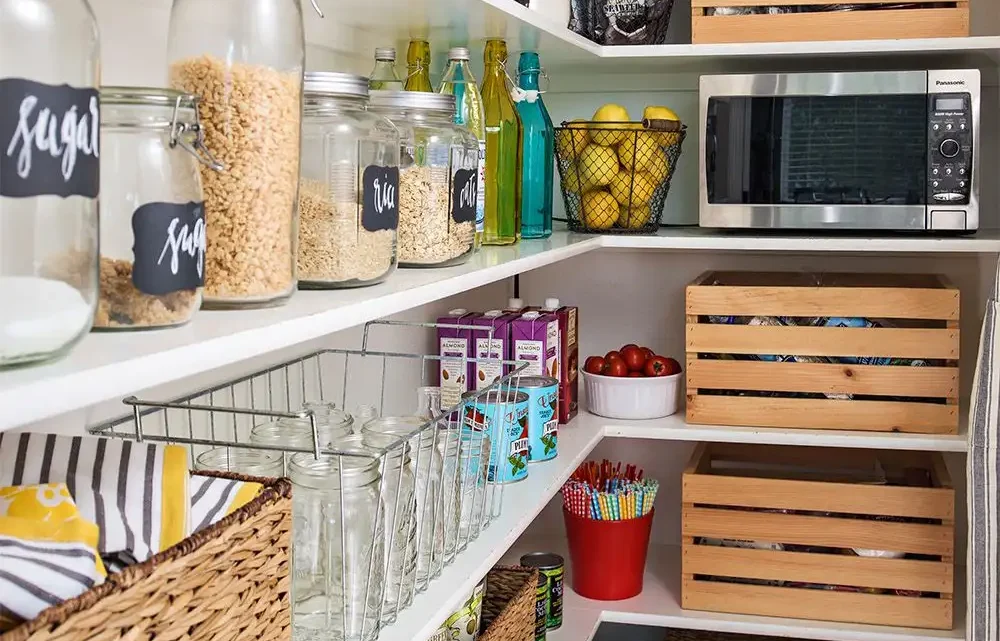
How to Build a Pantry That Makes Healthy Cooking Faster Than Ordering Takeout
The moment your phone battery dips below 20 percent and three colleagues have just dropped three separate fires in your inbox, ordering takeout feels less like a choice and more like breathing.
You are tired. The refrigerator looks like a question mark. The kitchen counter is judging you. So you open a delivery app, spend fourteen dollars on something that would have cost two dollars to make, wait forty minutes, eat it in twelve, and feel vaguely guilty about it for the rest of the evening.
Trending Now!!:
That cycle is not a willpower failure. It is an infrastructure problem.
After more than a decade of cooking, feeding other people, and studying the way real kitchens work under pressure, I have come to understand one thing clearly: the gap between a healthy home-cooked meal and an expensive takeout order is almost always a stocking problem, not a time problem.
The people who cook fast and eat well are not culinary wizards. They have built environments that make the right choice the easy choice. Their pantry does most of the decision-making before hunger sets in.
This guide is about building exactly that kind of pantry. Not a glossy, Instagram-ready storage situation with matching glass jars and a chalkboard label gun. A working pantry. One that quietly, reliably gets food on the table in the time it takes for a delivery driver to find your building.
The Real Reason You Order Takeout (It Is Not Laziness)
Before we get into what to stock, it is worth being honest about why healthy home cooking breaks down in the first place. The problem is almost never motivation. The problem is friction.
When you open the fridge and nothing connects, when you have chicken breast but no sauce base, when you have olive oil but no aromatics, your brain performs an unconscious calculation.
It looks at the number of steps between the raw ingredients and an edible meal, compares that to the number of taps it takes to order pad thai, and chooses the shorter path. That is a normal human response to cognitive load after a long day.
A strategically stocked pantry short-circuits that calculation. When you have a can of chickpeas, a jar of crushed tomatoes, a block of frozen spinach, and a shelf of spices, the math changes. Suddenly the home-cooked option is the shorter path. You are not “cooking,” you are just assembling what the pantry has already prepared for you.
The shift is not about discipline. It is about design.
How to Think About Your Pantry (Not as a Storage Room, but as a Meal Engine)
Most people treat their pantry the way they treat a junk drawer: things go in when bought, they come out when needed, and the relationship between the two is mostly chaotic. That approach guarantees dead stock, forgotten cans from three years ago, and the particular despair of discovering you have seven partial bags of a grain you cannot identify.
The smarter framework is to think of your pantry as a cooking system built around categories, not individual items. Every category serves a specific function in a meal, and when you have at least one strong option in each category at all times, you can construct a nutritious, satisfying dinner from what you already own.
The categories are straightforward: a whole grain or starchy base, a protein source, a vegetable (canned, frozen, or both), a fat or sauce, an acid, and a flavour system. That is the skeleton of nearly every fast weeknight meal that exists, whether it is a grain bowl, a quick stir-fry, a soup, or a sheet pan dinner.
Stock those categories and you stop cooking from recipes. You start cooking from logic.
The Healthy Pantry Essentials You Actually Need
Whole Grains: The Foundation of Fast, Nutrient-Dense Meals
The biggest lie in the “healthy eating is time-consuming” narrative is that whole grains take forever to cook. Some do. Brown rice at 45 minutes is genuinely inconvenient on a Tuesday night. But the workaround has existed for decades, and most people simply do not use it.
The solution is a layered grain strategy. Keep quick-cooking grains for weeknights and slower grains for batch cooking on weekends.
Quick grains (under 20 minutes): Quinoa, couscous, farro, rolled oats, and red or green lentils. Quinoa cooks in 15 minutes, delivers complete protein, and goes with almost everything. Couscous is ready in five minutes with nothing more than boiling water poured over it.
Grains like spelt, brown rice, amaranth, bulgur, oats, and quinoa can be kept safely at room temperature for months to years, making them a smart choice to buy in bulk. Buy them in bulk, store them in airtight containers, and rotate them.
Batch grains: Brown rice, whole wheat pasta, and barley are excellent for Sunday meal prep sessions. Cooked grains can be frozen for two to three months, and portioning them into individual servings before freezing provides maximum convenience when you need a quick meal option.
Cooking a large pot of brown rice on Sunday and freezing it in meal-sized portions effectively removes the 45-minute barrier entirely. The grain becomes a two-minute microwave item.
The nutritional case is also strong. We want to choose carbohydrates high in fibre like whole grains because they have key nutrients like iron, B-vitamins, and magnesium. Those are not empty calories. That is the nutritional framework your body actually needs for sustained energy and focus throughout the day.
Plant-Based Protein and Legumes: The Most Underused Pantry Tool
Canned beans are the most powerful item in a healthy pantry, and they are also the most underestimated. They require zero prep, zero cooking instinct, and zero skill. You open the can, rinse the contents, and they are ready. They add protein, fiber, and substance to any dish in under sixty seconds.
Beans and lentils are rich in plant-based protein and fiber, low in fat, and packed with minerals like iron and potassium. They have a low glycemic index and are high in both soluble and resistant fiber, which help slow the absorption of sugar into the bloodstream. That slow-release energy profile is the difference between feeling full at 9 p.m. and raiding the pantry at 8:30 p.m. for whatever crackers you can find.
The variety available is broad enough to avoid repetition. Black beans go into quick taco bowls or egg scrambles. Chickpeas roast beautifully in the oven with olive oil and paprika into crispy, protein-rich snacks or salad toppers.
Cannellini beans disappear into pasta sauces and soups, adding body and creaminess without dairy. Lentils cook more quickly than many dried beans, store well for long periods, are rich in protein and iron, and work well in a variety of meals, from lentil soup to curry served over rice, or even stirred into pasta sauce for added nutrition.
Keep at least five varieties in your pantry at all times. The cost is negligible. The payoff in meal flexibility is enormous.
Canned Tomatoes: The One Item That Ties Everything Together
If I had to identify the single canned item most responsible for fast, satisfying meals in my own kitchen, it would be canned tomatoes. Whole, diced, fire-roasted, crushed: they are all different tools for the same essential task, which is providing instant depth, acidity, and body to a dish that would otherwise taste flat.
Canned tomatoes can transform basic pantry items into complete dishes, whether used in a vegetable soup, combined with beans for a quick pasta sauce, or prepared with eggs for a simple skillet meal. That last application, eggs simmered directly in seasoned tomato sauce, is one of the genuinely fastest complete meals a home cook can make. It is on the table in fifteen minutes, it requires no chopping, and it is nutritionally complete.
Canned tomatoes are rich in vitamin C and antioxidants. The lycopene content, which is the antioxidant compound that gives tomatoes their red color, is actually more bioavailable from cooked and canned tomatoes than from fresh ones. This is one of those areas where the convenience option happens to also be the nutritionally superior one.
Buy them by the case when they go on sale. They last for years and form the sauce base for an enormous percentage of quick, healthy weeknight dinners.
The Freezer Is Half Your Pantry (Most People Treat It as a Graveyard)
The pantry conversation almost always stops at the shelf. That is a critical mistake. Your freezer is an extension of your pantry, and when managed well, it is arguably the most powerful tool for making healthy cooking faster than ordering takeout.
The freezer principle is simple: pre-chopped veggies, canned beans, and frozen proteins cut down on prep time, making it easy to throw together a meal in minutes.
Frozen vegetables retain almost all of their nutritional value, and research shows canned and frozen vegetables retain a lot of vitamins and minerals. The argument that fresh vegetables are nutritionally superior to frozen ones has been largely dismantled by food science. Frozen broccoli picked and flash-frozen at peak ripeness is more nutritious than “fresh” broccoli that has sat in a distribution chain for ten days.
Stock your freezer with: frozen spinach (it folds into sauces and soups invisibly), edamame (ready in minutes, a protein-rich snack you can steam in minutes and toss with chili oil and sesame for a punchy side or blend into a bright hummus), frozen peas, mixed vegetables for stir-fries, individually portioned proteins like fish fillets and chicken thighs, and frozen berries for breakfasts and smoothies.
The protocol that changed how I use my freezer was simple: stop treating it as a place where things go to die and start treating it as a reserve inventory system. Label everything with the date. Rotate stock. Treat it the same way you would treat a well-organized shelf.
Healthy Fats, Oils, and Acids: The Flavor System
A dish can have perfect protein and excellent vegetables and still taste like nothing if the fat and acid balance is wrong. This is the layer that most beginner cooks skip, and it is the reason home-cooked food sometimes feels less satisfying than restaurant food even when the ingredients are comparable.
Extra-virgin olive oil works for almost everything, but toasted sesame oil, coconut oil, and butter each play specific roles, while nuts, seeds, nut butters, and coconut milk are essential fats in a well-stocked pantry.
Extra-virgin olive oil is the baseline. It is anti-inflammatory, heart-healthy, and versatile enough to handle everything from salad dressings to sautéing aromatics. A high-quality bottle makes a measurable difference in the taste of the final dish, which matters because the tastier the home-cooked food is, the less appealing the takeout menu becomes.
Acids are equally important. A splash of apple cider vinegar, a squeeze of lemon, a drizzle of balsamic: these brighten a dish and complete it in a way that fat alone cannot. Olive oil, vinegar, and a pinch of herbs make a great baseline for dressings that you can whip up in five minutes. Keep at least three types of vinegar in your pantry: red wine vinegar, apple cider vinegar, and balsamic. They cost very little and last indefinitely.
The Spice Shelf: Where Amateur Cooking Becomes Confident Cooking
Nothing exposes a poorly stocked pantry like the spice shelf. Or rather, the single jar of garlic powder and the paprika that has not been opened since the Obama administration.
A functional spice collection does not need to be enormous. It needs to be strategic. The goal is to be able to reach for a flavour direction, execute it quickly, and have it taste like you knew exactly what you were doing.
The Core Spice Collection
Build around flavor systems rather than individual spices. For a Mediterranean direction, you need dried oregano, cumin, coriander, and smoked paprika.
For something with South Asian depth, turmeric, garam masala, and cumin do most of the heavy lifting. For East Asian-inspired cooking, sesame oil, soy sauce, and rice vinegar are the liquid equivalents of spices. For quick Tex-Mex, chili powder, cumin, and smoked paprika cover the ground.
The principle here is that spices make cheap, shelf-stable ingredients taste complex. A can of chickpeas with cumin, smoked paprika, garlic, and a squeeze of lemon over a bed of quinoa is a complete, anti-inflammatory, nutrient-dense meal. It takes twelve minutes. It costs under two dollars per serving. And if your spice shelf is functional, it requires no recipe whatsoever.
Keep spices in a cool, dark location. Replace them every twelve to eighteen months. Smell them before using them: if they smell like nothing, they will add nothing. Stale spices are the silent killer of otherwise good home cooking.
Pantry Proteins Beyond Beans: Canned Fish, Eggs, and Nut Butters
The speed advantage of a well-stocked pantry lives or dies on the availability of fast protein. Beans cover a lot of ground, but variety matters for both nutrition and meal satisfaction.
Canned tuna, sardines, and salmon are among the most underrated healthy cooking shortcuts in existence. Canned tuna, anchovies, and sardines are a pantry must because they are a quick way to add protein, healthy fats, and flavor to meals.
Canned tuna has healthy omega-3 fatty acids in every bite. Sardines in particular have one of the highest omega-3 profiles of any food available at grocery store prices. The stigma around them is mostly aesthetic. The nutrition profile is extraordinary.
Natural nut butters deserve a more central role in the healthy pantry than most people give them. Natural nut and seed butters are long-lasting, healthy alternatives to their commercial counterparts, which typically contain added oils and sugar.
They can be added to sauces or spread onto fruits or veggies for a quick, satisfying snack. A tahini-based sauce made with lemon juice, garlic, and water can transform a plate of roasted vegetables and grain into something that feels genuinely restaurant-quality, and it takes under three minutes to make.
Eggs belong in the same conversation, even though they technically live in the fridge. They are the original fast protein.
They cook in minutes in any direction, they combine with almost any pantry ingredient, and they deliver complete protein with meaningful amounts of choline, vitamin D, and B12. Any pantry-based cooking system that does not keep eggs at the center of its protein rotation is leaving the fastest, most versatile ingredient available on the table.
Pantry Organization: The Hidden Factor That Determines Whether You Actually Use What You Buy
You can stock every item on this list and still end up ordering takeout four nights a week if the pantry itself is organized in a way that makes things hard to find. Organization is not about aesthetics. It is about removing the micro-friction that accumulates between the moment you open the cabinet and the moment you start cooking.
The Zone System
Organize by cooking function rather than by food category. Keep all grain and pasta options at eye level, front and center. Group canned proteins and canned vegetables together. Put the oils, vinegars, and sauces in a single accessible section. Keep the spice shelf visible and logical, whether alphabetically or by cuisine type.
The most important principle is that what gets used most should be easiest to reach. If quinoa is buried behind a bag of coconut flakes you bought for one recipe two years ago, you will reach for the coconut flakes and ignore the quinoa. Reorganize so that the items driving your fastest meals are the first things your hand touches.
The Inventory Habit
One of the most useful things I started doing years ago was treating the pantry like a small business treats its stock. Once a week, before placing any grocery order, a quick visual inventory of the pantry, freezer, and refrigerator tells me exactly what I have, what is running low, and what I can build meals around without buying anything new.
Taking stock of what you have in your pantry, refrigerator, and freezer before making your menu and purchasing new items to prep saves time and money, and some of the easiest and quickest meals can be made from pantry staples like pasta and other whole grains, canned tomatoes, and beans.
This practice accomplishes two things simultaneously. It prevents the duplicate buying that leads to a pantry full of half-open items, and it triggers the mental process of connecting available ingredients into meal ideas before you are standing in the kitchen at 7 p.m. with no plan.
The Expiry Check
Every few months, pull everything out. Check expiry dates. Bring older items to the front. Discard anything that has passed its prime. This takes twenty minutes and prevents the slow erosion of pantry confidence that happens when you keep reaching for items and second-guessing whether they are still good.
The 15-Minute Meal Formula (and Why It Works Every Time)
Once your pantry is stocked and organized by category, the fastest way to build a healthy meal is to follow a formula rather than a recipe. A formula is a structure. A recipe is a set of instructions. Structures adapt. Instructions require ingredients.
The simple formula for a nutrient-dense meal is: lots of vegetables plus some protein plus some whole grain plus a little healthy fat plus flavor plus a serving of fruit. When you internalize that framework, every pantry opening becomes an opportunity to assemble rather than stress.
The Grain Bowl Formula
Pick a cooked grain (quinoa, farro, couscous). Add a protein (chickpeas, canned tuna, a fried egg, quickly sautéed edamame). Add a vegetable, whether frozen and microwaved, roasted from a quick 400-degree blast, or simply raw and dressed.
Add a fat-based sauce (tahini with lemon and garlic, a drizzle of good olive oil, a spoonful of almond butter thinned with soy sauce and ginger). Add an acid (a splash of vinegar, fresh citrus). Add texture if available (toasted seeds, a handful of nuts, crispy chickpeas).
That is a complete, anti-inflammatory, nutrient-dense meal. It took fifteen minutes, it used nothing that requires refrigeration except the egg, and it cost less than four dollars per serving.
The One-Pan Tomato Sauce Formula
Heat olive oil in a pan. Add garlic and any spice combination you are working with. Add a can of crushed tomatoes. Add a can of beans or a handful of whatever protein is available. Let it simmer for ten minutes. Serve over pasta, quinoa, polenta, or toasted bread. Finish with fresh herbs if available, or dried if not.
That dish has fed me on countless evenings when I genuinely did not want to cook, and it has never disappointed. The tomatoes do most of the work. The legumes add heft. The spice shelf adds identity. It is a meal with a different personality every time depending on which direction you push it.
Common Pantry Mistakes That Slow Everything Down
Buying Items Without a Plan for How to Use Them
The pantry is full of ambition. Ancient grains purchased during a wellness phase, specialty flours from a baking experiment, international condiments that seemed exciting at the market.
The problem is that aspirational buying without a concrete use case creates clutter and decision fatigue rather than flexibility. Every item in your pantry should have at least two clear applications you actually make regularly. If it does not, it is decoration, not infrastructure.
Ignoring the Freezer Until It Becomes a Mess
The freezer works for you only if you manage it. The most common failure mode is allowing things to get buried, unlabeled, and eventually incomprehensible. A simple system: label everything with the date and item name using a piece of masking tape and a marker. Organize by category. Audit it the same day you audit the pantry shelf.
Underinvesting in Condiments and Sauces
A pantry stocked with excellent grains, proteins, and vegetables but a thin condiment shelf will still produce meals that feel like work rather than pleasure.
Miso paste, soy sauce, fish sauce, harissa, tahini, coconut aminos, a good hot sauce: these are flavor accelerators. They transform a four-ingredient dish into something that tastes like it took far more effort than it did. The investment in a well-stocked condiment section pays dividends every single day.
Letting Fresh Herbs Become the Only Flavor Option
Fresh herbs are wonderful and I keep them when I have them, but building a cooking habit around fresh-only ingredients is a structural vulnerability. The week you do not make it to the market is the week the system breaks.
Dried herbs and spices are the backup system that keeps the pantry functional under all conditions. Learn which dried herbs work well (thyme, oregano, rosemary, bay leaves) and which lose too much in drying (fresh basil, cilantro, parsley are better used fresh or replaced by something else entirely when unavailable).
The Budget Case: Why a Stocked Pantry Beats Takeout on Every Financial Metric
The argument that cooking at home is more expensive than ordering takeout is one that collapses immediately under the weight of actual numbers.
A moderately priced takeout order for one person in 2026 runs roughly fifteen to twenty-five dollars after fees, delivery charges, and tips.
A pantry-based meal using chickpeas, quinoa, frozen spinach, olive oil, and spices costs under three dollars per serving. Even accounting for the upfront cost of building a well-stocked pantry, that investment pays for itself within two to three weeks of consistent home cooking.
The math over a year is significant. If you replace four takeout meals per week with pantry-based home cooking, the annual savings run into the thousands of dollars for a household of two. The nutrition quality increases simultaneously. This is the rare case where the cheaper option is also the healthier one.
Starting the Pantry Build: A Practical Week-One Shopping Strategy
The mistake most people make when trying to build a functional pantry from scratch is attempting to do it all at once. That approach is expensive, overwhelming, and leads to buying things that do not get used because the cooking habits that would use them have not been established yet.
A smarter approach is the tiered build. In the first week, focus on the five most versatile items: one quick-cooking grain (quinoa or couscous), two varieties of canned beans (chickpeas and black beans are the most versatile), one can each of crushed and diced tomatoes, one good olive oil, and four core spices (cumin, smoked paprika, garlic powder, dried oregano). Those twelve items, costing roughly thirty dollars, cover the basic architecture of a dozen distinct meals.
Grains including rice, oats, and pasta, combined with beans and lentils, canned tomatoes and fish, versatile oils and vinegars, and core spices, plus freezer and fridge basics like eggs, frozen vegetables, yoghurt, and broth, allow you to mix and match fast, healthy meals all week.
In week two, expand into the freezer: frozen spinach, edamame, mixed vegetables, and one frozen protein. In week three, build out the condiment shelf. By week four, the pantry is functional enough to cover nearly every weeknight without a grocery run, and the habit of cooking from it has begun to form.
What a Well-Stocked Pantry Actually Feels Like
There is a specific quality of calm that comes from opening a pantry that is genuinely stocked. It is not excitement, exactly. It is more like confidence. The quiet certainty that no matter what the evening throws at you, dinner is not a problem that needs solving. It has already been solved, structurally, by the work you did when you were not hungry and not stressed.
That is the promise of the healthy pantry done right. Not culinary ambition. Not aesthetic perfection. Just the reliable, unglamorous infrastructure that makes the healthy choice the easy choice, day after day, without requiring a single ounce of willpower.
The takeout app will still be on your phone. Some nights you will use it, and that is fine. But when the pantry is built properly, you will use it because you chose to, not because you had no other option. That distinction changes everything.