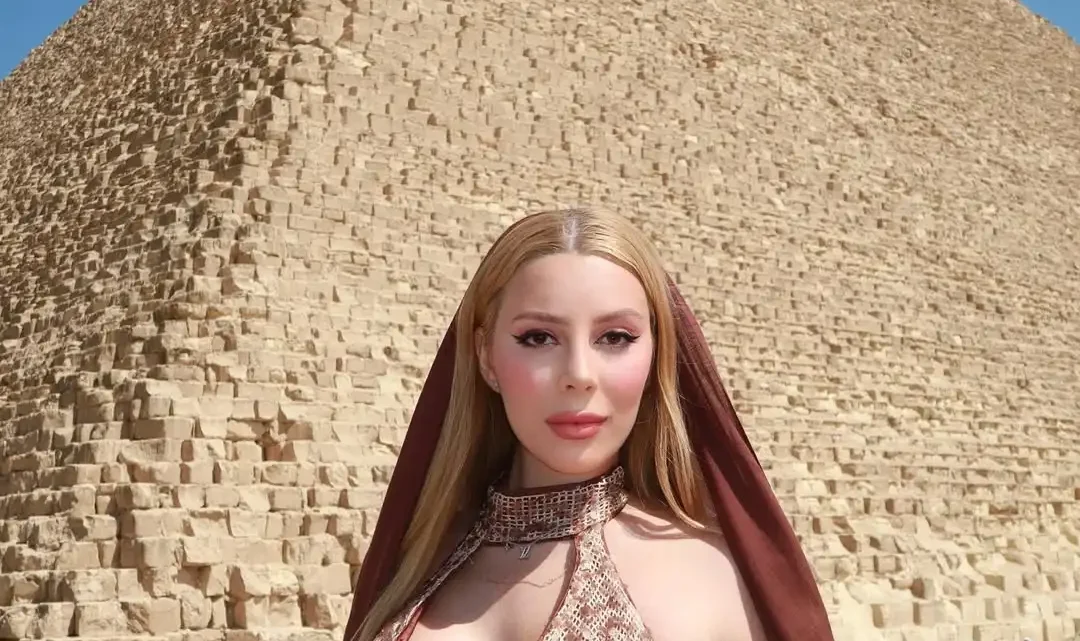
Brazilian Influencer Malévola Alves Is Detained in Egypt Over Videos Authorities Called Sexually Suggestive
Egyptian authorities detained Malévola Alves, a 22-year-old Brazilian influencer, and a travel companion in the port city of Alexandria on Tuesday, saying videos posted online showed the two women making sexual gestures and harassing people on public streets. The case has been referred to Egypt’s Public Prosecution, and no specific charge had been made public by Wednesday.
In a statement on its official account on X, Egypt’s Interior Ministry said investigators had identified and arrested two foreign tourists after footage shot on the streets of Alexandria spread across social media.
Trending Now!!:
The ministry described the clips as showing the women dancing, making sexual gestures and directing suggestive remarks at passersby. It said both women admitted during questioning that they had filmed and posted the material to attract views, and that legal measures had been taken before the file was handed to prosecutors.
Ms. Alves, whose legal name is Mariana Alves Gadelha Pereira, documented part of the ordeal herself, posting Instagram stories from inside a police station before the ministry made its announcement. She said officers had stopped the van carrying the group during a sightseeing tour and confiscated the passports of the two women.
🇪🇬🇧🇷 Egypt’s Interior Ministry confirmed they ARRESTED Brazilian content creator Malevola Alves and a friend over sexual gestures and harassment on the streets of Alexandria.
Authorities said both admitted to filming and posting the clips for views.
The case has now been referred to the Public Prosecutor.
Agree or disagree with local laws, filming yourself doing this in public for clout doesn’t exempt you from the rules.
Writer: Lucas https://t.co/cIJehb68mQ
— Mario Nawfal (@MarioNawfal) October 21, 2026
Speaking from the station, she told followers that she and her friend were desperate and had no idea what would happen to them. She also said officers questioned them about their gender identity. Both women are transgender, according to Brazilian media.




Bruna Tivo, a fellow influencer who had traveled with the group but returned to Paris before the arrests, said on social media that Egyptian locals had repeatedly filmed the women during the trip and that the videos were then shared in Egyptian Facebook groups.
She attributed the detentions to transphobia and accused Egyptians of setting the women up. Her account could not be independently verified, and Egyptian officials have not addressed it. The companion detained with Ms. Alves was identified in some Brazilian reports as Bruna Mercatelli.
Ms. Alves’s legal team said it was in contact with the Brazilian Embassy in Cairo and with local authorities to safeguard the physical integrity of the two women. Her flight back to Brazil had been booked for Wednesday, but her team said it was unclear whether she would be allowed to board, and there was no confirmation that she had been released or cleared to leave the country. Brazil’s foreign ministry, known as Itamaraty, had not commented publicly in the initial reports. The women’s social media accounts were switched to private after the arrests.
Ms. Alves built her following on Instagram and TikTok with content about fashion, humor, lifestyle and daily routines, and she took part in the reality program Rancho do Maia, linked to the influencer Carlinhos Maia.
She has also been a frequent subject of Brazilian gossip coverage. She publicly criticized the singer MC Mirella for backing the politician Flávio Bolsonaro, and the manager of the performer MC Paiva threatened her in a separate dispute. The Brazilian news site G1 reported that she had been detained earlier this year in São Paulo over accusations of contempt of authority and bodily harm.
Egyptian law gives prosecutors wide latitude in cases involving public morals. Rights groups have long documented the use of debauchery and morality provisions, along with a cybercrime law that invokes family values, against social media users, including young women who posted dance videos, and against LGBTQ people.
CNN Brasil noted that United Nations bodies have criticized Egypt for arbitrary actions against women and the LGBTQ community. Brazilian tourists have run into trouble with Egyptian police over online videos before: in an earlier case, a Brazilian doctor and influencer was arrested and questioned by prosecutors after filming himself making sexual remarks, in a language the saleswoman did not understand, to a vendor at a bazaar.
The women’s legal position remains uncertain. Egyptian prosecutors can order suspects held while an investigation proceeds, and the outcome is likely to depend on how the videos are characterized and on the diplomatic pressure Brazil is able to apply.