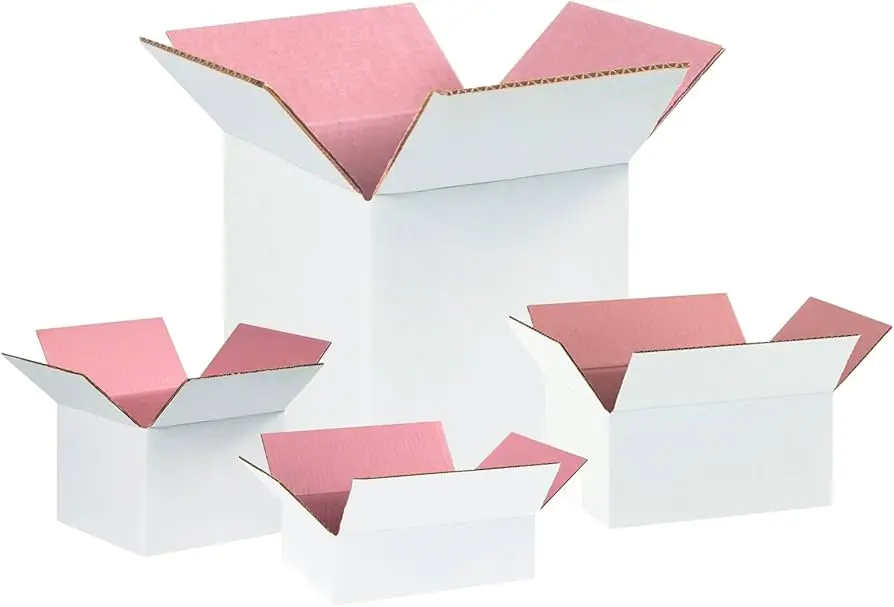
How Cube Boxes Improve Packing Speed and Reduce Material Waste
Look, most warehouse managers don’t wake up thinking about box shapes. But then they’re standing there at 2pm, surrounded by cardboard chaos, wondering why orders are backing up.
There’s this owner — a small operation, maybe 50 orders a day — who kept every random shipping box that came in. Amazon boxes, weird promotional packaging, whatever showed up. The logic made sense, kinda. Free boxes, right? Except his packing station looked like a recycling center exploded. Three employees spending half their shift just… figuring out which box sorta-maybe fits the order. Ten minutes per package sometimes. Math ain’t great on that.
Trending Now!!:
Square Packaging Changes The Game Fast
Cube Boxes are stupidly simple when you think about it. Same measurement on all sides — that’s literally it. But most shipping ops don’t use ’em because… honestly? Nobody thinks about it much.
Here’s what happens, though. You switch to uniform cube-style containers, and suddenly, your people aren’t doing mental geometry every single order. The 8x8x8 fits these products. The 10x10x10 fits those. Done. That warehouse guy? His pack times dropped to like four minutes. Maybe less. Didn’t change anything else — same products, same team, same workflow. Just cube boxes instead of rectangular roulette.
Your Brain Stops Doing Math on Autopilot
When everything’s in the same proportions, you stop thinking. Which sounds bad, but it’s actually… It’s the whole point. Your packer grabs a box, instantly checks whether the product fits, and moves on. No rotation-testing, no “maybe if I angle it,” none of that.
And stacking. Square boxes stack clean — no weird overhangs or gaps where you’re losing shelf space. Seen warehouses gain back 20-30% of their storage area just by standardizing to cubes. The boxes nest better, store flatter when collapsed, and stack higher without toppling. Basic physics, but it matters when you’re tight on space.
Material Waste Drops Like Crazy
So Single Wall Shipping Boxes in cube format—they fix this void-fill problem nobody talks about enough. Have you ever gotten a package that’s like 60% bubble wrap? That’s the rectangular box trap. The product’s too small for the box you got, so you’re stuffing it with plastic air pillows, peanuts, or whatever till it stops rattling around.
Cube boxes come in tighter size increments. A 6-inch, 8-inch, 10-inch, 12-inch… You can usually nail the fit pretty close. Less empty space means way less filler material. One fulfillment center tracked it — they cut void fill usage by almost half. Just by switching box types. That’s hundreds of dollars monthly on bubble wrap alone that just… stops bleeding out.
Dimensional Weight Charges Hit Different
Shipping carriers sometimes don’t care about your actual package weight. They care about dimensional weight — basically charging you for the space your box takes up in their truck. Big rectangular box with tons of void fill? You’re paying for air. Literal air.
Right-sizing with cube packaging drops those DIM weight charges. Instead of using a 12x10x8 rectangle with four inches of peanuts, you’re using an 8x8x8 cube that actually fits the product. Smaller package, lower dimensional calculation, cheaper shipping. It’s not huge per package — maybe 50 cents, maybe a dollar — but multiply that across thousands of shipments, and suddenly you’re looking at real money.
Storage Gets Stupid Easy
This part doesn’t get enough attention. Square shipping containers are like… they’re designed for shelving, but not meant to be. Any wire rack, any storage shelf, any vertical space — cubes just work.
Rectangular boxes are chaos. Some tall, some flat, some wide. You’re nesting them weirdly, laying them sideways, or whatever. Total mess. Cubes though? Stack ’em, line ’em up, however you want. They play nice with every shelving system.
A guy moved to a smaller warehouse — rent was killing him — and made it work because cube boxes use space more efficiently. He didn’t need custom shelving. Standard wire racks from Home Depot and cube boxes did the job, saving him three or four hundred bucks on specialized storage.
Training New Staff Becomes Brain-Dead Simple
Teaching someone which box goes with which product when you have seventeen different sizes? That’s a nightmare. They’re gonna mess it up for weeks, grab the wrong boxes, waste time checking and double-checking.
Cube packaging, though — “small stuff uses 6-inch, medium uses 8-inch, big uses 10-inch.” That’s the training. Took one fulfillment center half a day to onboard new seasonal workers instead of the usual two days. Less training time, fewer mistakes, people get productive faster. Especially matters during busy seasons when you’re hiring temp staff who need to ramp up quickly.
Environmental Stuff Actually Matters Now
Okay, so five years ago, maybe customers didn’t care much. Now though? People absolutely notice excessive packaging. They’ll comment on it, complain about it, and sometimes even leave negative feedback about too much waste.
Square corrugated boxes from suppliers like UCanPack usually run high recycled content — their stuff’s like 95% recycled cardboard. Fully recyclable on the customer end. And when you use the correct box size with minimal void fill, you’re legitimately cutting down on material usage. Not just greenwashing marketing stuff — actual reduction in cardboard and plastic going out the door.
Plus, it just… it looks better? Customers appreciate tight, clean packaging that’s not drowning in bubble wrap. Some businesses even get compliments on it, which sounds weird, but apparently, people notice good packaging choices now.
UCanPack Makes This Actually Doable
Most cube box suppliers either offer limited size options, charge ridiculous prices, or take forever to ship. UCanPack’s got a solid range of cube sizes, quality’s good — proper corrugated cardboard that doesn’t fall apart — and pricing’s competitive when you’re ordering volume.
The USA manufacturing matters more than you’d think. Fast shipping, no weird overseas delays. One warehouse manager said he orders midweek and usually has boxes by Friday. Matters a lot when you miscalculate inventory and suddenly you’re low on 8x8x8 cubes during a sale weekend. Been there.
Their customer service actually knows box specs, too. Like you can call and ask about ECT ratings or single-wall versus double-wall, and get real answers instead of just being directed to a sales page. Helps when you’re trying to figure out what strength you actually need for your products.
Switching Over Isn’t The Drama You’d Expect
Don’t gotta overhaul everything at once. Grab like two or three cube sizes that’d cover maybe 60% of your products. Run ’em parallel with your current boxes for a couple of weeks. Track pack times, measure the amount of void fill you’re using, and note any issues.
Most operations see results fast enough that they just… keep expanding cube usage. Not some magic fix for every problem — weird-shaped products still need custom solutions sometimes — but for standard shipping, it’s such an obvious improvement.
Kitchen stuff, electronics, books, small appliances, subscription boxes, retail items… most products fit pretty well in square containers. Even things that aren’t perfectly cubic usually pack better in a cube than in some random rectangle that’s too long or too wide.
Bottom Line Without The Fluff
Cube boxes speed up packing by eliminating the mental Tetris your team has to do with every order. They reduce waste because you’re not stuffing boxes with filler material to compensate for bad sizing. They’re easier to store, easier to teach people to use, and customers actually like getting packages that aren’t 70% bubble wrap.
If you’re still using whatever random rectangular boxes seem close enough, try a test batch of cubes. Order a few sizes from UCanPack or wherever you get them. They usually do sample packs or small quantities for testing. Time your pack speeds before and after. Measure void fill usage. See what happens.
Worst case? You’re out maybe fifty bucks on sample boxes, and you learn something. Best case? You find out you’ve been wasting hours and money on inefficient packaging for years, and there’s a stupid-simple fix sitting right there.
Also, your warehouse probably looks way less like a cardboard explosion afterward. That’s nice too.