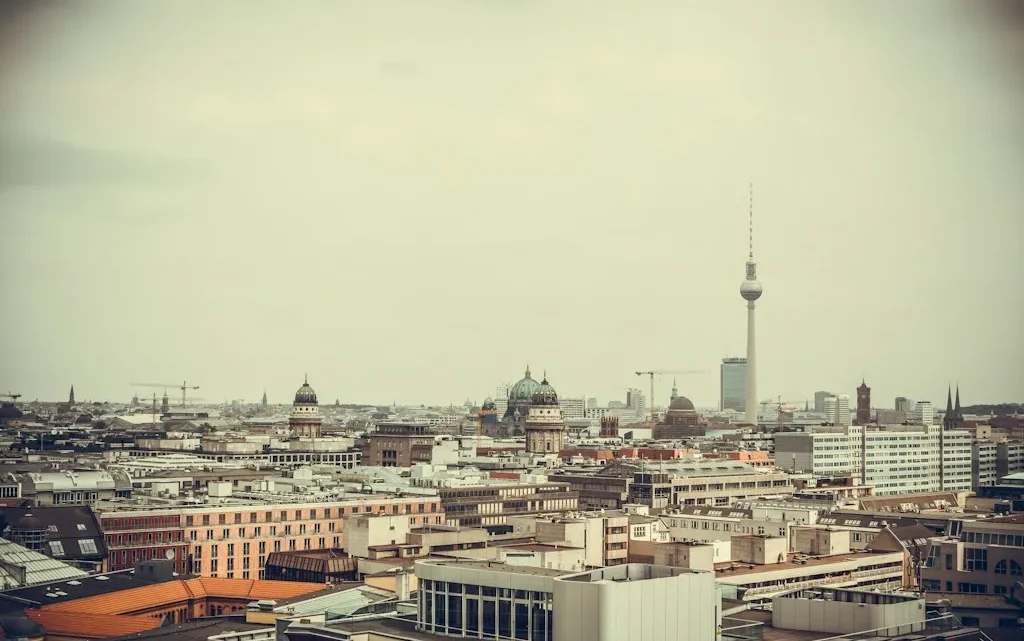
What to see in Berlin? Landmarks, memorials and hidden gems
Berlin is the biggest city in the European Union, and few places in Europe have been rebuilt as often.
Prussian architecture, traces of World War II, remnants of the wall and neighborhoods full of street art all sit close together. Below you will find the places to see first, tips on planning your sightseeing and a few things to know before you travel.
Trending Now!!:
Historical center – Brandenburg Gate, Reichstag, and Museum Island
Start your sightseeing at the Brandenburg Gate, built at the end of the 18th century as a city gate. The Quadriga on top has a story of its own: in 1806 Napoleon carried the sculpture off to Paris, and it came back after his defeat.
Leading away from the gate is Unter den Linden, a grand boulevard that runs towards the cathedral and Museum Island. A few minutes’ walk in the opposite direction brings you to the Reichstag, seat of the German parliament.
Entry to the glass dome with its view over the city is free, but you have to book online beforehand, ideally a few days before your visit. Bring an ID document too, as you will need to show it at the entrance.
Museum Island, a UNESCO World Heritage site, is the third stop in this part of the city. Many guides miss a detail here: the Pergamonmuseum, the island’s most famous museum, is closed for renovation and will only partially reopen in June 2027, while the Ishtar Gate will stay out of reach even longer.




The other four museums are open, though, including the Neues Museum with its famous bust of Nefertiti. Across the street, the Das Panorama exhibition shows part of the Pergamon collection.
Memorials – the Holocaust Memorial and Platform 17
Right in the center, next to the Brandenburg Gate, stands the Memorial to the Murdered Jews of Europe, with 2,711 concrete blocks of varying heights set on sloping ground. Entrance is free, and walking between the blocks takes about 10-15 minutes.
Platform 17 at Grunewald station is less well known. From 1941, Berlin’s Jews were deported from here to ghettos and camps, and steel plates along the platform edge list the dates of the transports and the number of people deported. Set aside a quiet part of the day for both places rather than squeezing them into a packed sightseeing schedule.
The Berlin Wall – Bernauer Strasse and East Side Gallery
The wall divided Berlin for 28 years. It was a broad border strip with barbed wire, a death strip and watchtowers. Almost all of it was dismantled, and the best-preserved section, complete with a watchtower, can be seen at the memorial site on Bernauer Strasse.
The most famous stretch is the East Side Gallery, 1.3 kilometers of wall covered in murals by artists from all over the world. Checkpoint Charlie, the former border crossing between the American and Soviet sectors, is heavily commercialized today.
The original guardhouse is now in the Allied Museum, and a replica stands on the site. Another interesting trace of the GDR is the Ampelmann, the distinctive little figure from East Berlin’s traffic lights, which became one of the city’s symbols after German reunification.
Berlin beyond the monuments – Tempelhofer Feld, Kreuzberg, and food
Tempelhofer Feld is a former airport that has become a park. Cyclists, runners and walkers now use the runways, and the area has stayed undeveloped, which is rare in the middle of a city. Kreuzberg and Friedrichshain are worth a visit for street art, markets and food.
Berlin street food is simple and cheap: currywurst, a sausage in a tomato curry sauce, and döner, perfected by Berlin’s Turkish community. On weekends, Preußenpark hosts a Thai food market where meals are cooked on the spot, and you can unwind in Prater Garten, the city’s oldest beer garden.
Exploring Berlin with a local guide
The places described here come from different eras and lie in different parts of the city. Exploring on your own is therefore not that simple. You have to plan the order and the transport, and many sites have only modest descriptions, which makes their significance hard to grasp.
A local guide makes it easier, since the route is already worked out and you can ask questions on the spot. Walkative!, a network of local guides operating since 2007, offers such walks. The free walking tour in Berlin lasts 2 hours and 45 minutes and starts at the Rotes Rathaus city hall, and you can spot the guide by a yellow umbrella.
There is no fixed price. At the end, each participant decides what the experience was worth. Only prior booking is required. Walkative! also runs separate themed routes in Berlin, covering the Nazi period, the GDR and the Cold War, and the alternative side of the city, including Kreuzberg.
Practical information useful during sightseeing
The most convenient way to get around Berlin is public transport. The U-Bahn metro, the S-Bahn railway and the trams run frequently, and a travel card pays off from your very first day.
If you only have one day, stick to two or three of the areas described in this text instead of trying to cover them all. To explore the whole city thoroughly, set aside at least three days, and for short trips, choose a guided tour on a selected theme.
Getting from the airport to the center is no problem, as the train takes about 25 minutes.