Ignition Interlock in New Jersey: Who Gets One, for How Long, and What It Costs in Chatham
When a famous name picks up a drunk driving charge, the coverage always lands on the same two details: the suspension and the fine.
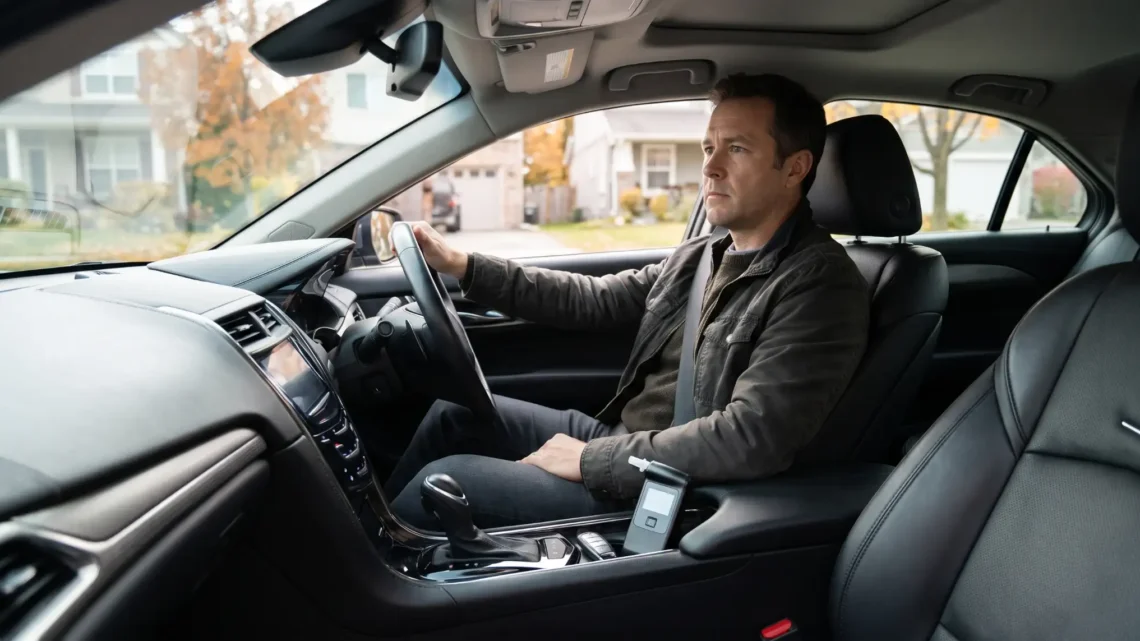
Both are increasingly beside the point in New Jersey. Since a 2019 overhaul, the state’s answer to most first offenses is not a long time off the road. It is a device wired into the car, a blow tube on the steering column, and a term measured in months.
Trending Now!!:
New Jersey has amended that framework twice since, which means advice circulating from even a few years ago is frequently wrong.
New Jersey Moved From Suspension to Supervision
The legislature said why. The 2019 law that revised drunk driving penalties and expanded the use of ignition interlock devices found that a majority of drunk drivers, including first-time offenders, often continue to drive with suspended licenses, and that interlocks are more effective at deterrence than suspension alone.
That is a policy judgment with a practical consequence. A person convicted of a first offense now generally keeps driving, and does so in a monitored vehicle. The legislature also noted that offenders pay for the devices themselves, which is part of why the approach was attractive.
Who Gets One, and for How Long
The durations are set out in the statute and tiered by blood alcohol concentration.




First offense, 0.08 to below 0.10
The court orders installation in one vehicle the offender owns, leases or principally operates, whichever they most often operate. The device remains installed for three months.
First offense, 0.10 to below 0.15
The same arrangement applies, with the device remaining installed for not less than seven months and not more than one year.
First offense, 0.15 or higher, and refusal cases
Here the structure changes. The device is installed during and following the period of license forfeiture. In addition to installation during forfeiture, it remains installed for not less than nine months and not more than fifteen months, running from installation and the return of the license. The same treatment applies to refusal to submit to a breath test.
Second and subsequent offenses
The device goes in during and following the forfeiture period, and then remains installed for not less than two years and not more than four years after the license is returned.
Anyone weighing how a second charge differs from a first should start there rather than with the fine, and it is the first thing attorneys focused on DWI defense in Chatham, NJ walk a client through, because the number that changes most between offense levels is the one measured in years.
The Rules That Catch People Out
You cannot drive anything else
For the duration of the order, an offender may not drive any vehicle other than one in which an interlock has been installed. There is no exception for a work truck, a rental, or a friend’s car for ten minutes. Employment is not a defense, and neither is an emergency.
If you do not own a car, you still have an obligation
An offender who does not own, lease or operate a motor vehicle must attest to that fact to the court. A false attestation constitutes perjury. If the person later buys, leases or gains access to a vehicle, they must notify the court immediately and install a device.
The law keeps moving
New Jersey’s judiciary lists both a 2023 law concerning the use of interlock devices for drunk driving and a 2025 law clarifying installation for certain DWI offenses among its recent enactments. Anyone relying on a summary written before those changes is working from an outdated picture.
What It Actually Costs
The device itself is paid for by the offender. Installation, a monthly monitoring or lease charge, periodic calibration appointments and removal all carry separate costs, and the monthly charge runs for every month of the term, which is where a nine-month order quietly outgrows the fine.
Missed calibration visits create their own problems. The device logs them, the log goes to the state, and a pattern of missed appointments or failed startup tests can extend the term or return the matter to a judge.
Then there is the part people forget entirely. New Jersey assesses surcharges through the Surcharge Violation System on an annual basis against drivers convicted of specific offenses, including driving while intoxicated, and those surcharges are in addition to any court fines and penalties. They arrive by billing notice, they recur, and non-payment carries its own consequences.
Planning Around the Device Rather Than Reacting to It
Two questions are worth settling before a plea rather than after. Which single vehicle will carry the device, given that the statute looks to the one most often operated? And what the total monthly outlay will be across the full term, interlock and surcharge together, over the whole period rather than the first month.
The headline number in a DWI case is almost never the expensive one. The recurring charges are, and they run on a calendar that does not care how the story was reported.