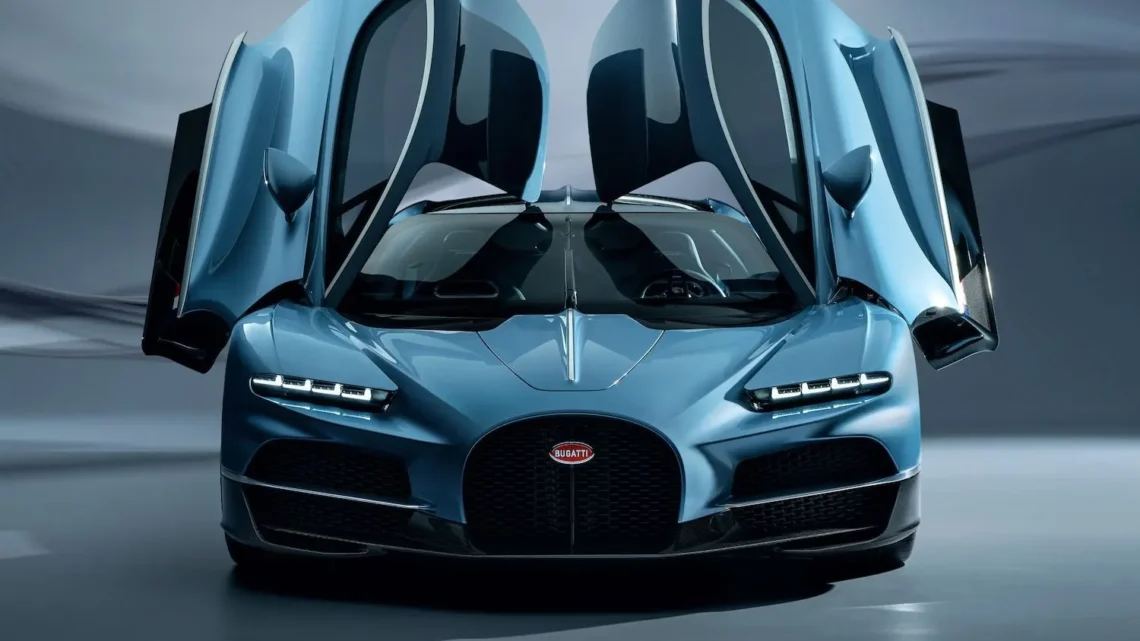
Why Young People Don’t Want Cars Anymore
For decades, getting a driver’s license and buying a first car marked a rite of passage into adulthood. That milestone shaped the aspirations of generations who saw the automobile as a symbol of freedom, status, and independence. Yet something has changed.
Younger people today are far less enthusiastic about car ownership than their parents were, and this shift is reshaping cities, industries, and everyday routines. Understanding the reasons behind this trend reveals a lot about evolving priorities and economic pressures.
Trending Now!!:
The Financial Weight of Owning a Vehicle
Money sits at the heart of this generational shift. Buying a car is only the beginning; insurance, fuel, maintenance, parking, and depreciation quickly add up to a substantial monthly burden.
Many young adults are also carrying student debt, facing high rents, and dealing with stagnant wages relative to the cost of living. When faced with these competing expenses, a car often feels like a luxury rather than a necessity.
The numbers become especially discouraging for first-time buyers who must also absorb higher interest rates on auto loans. Instead of committing thousands of dollars per year to a depreciating asset, many prefer to allocate that money toward experiences, travel, or savings.
To put the recurring costs into perspective, consider the typical annual expenses tied to owning a car:




| Expense Category | Typical Annual Range |
|---|---|
| Insurance | $1,200 – $2,500 |
| Fuel | $1,500 – $2,800 |
| Maintenance & Repairs | $800 – $1,500 |
| Registration & Fees | $150 – $600 |
| Parking | $600 – $3,000 |
Cities Built for Alternatives to Driving
Urban living has transformed the way people move around, and younger populations are increasingly concentrated in cities.
Public transit systems, cycling infrastructure, and walkable neighbourhoods make owning a car unnecessary for daily errands and commuting. When a subway ride or a short bike trip gets you where you need to go, the appeal of dealing with traffic and parking fades.
Ride-hailing apps and car-sharing services have also filled the gap for occasional trips that once required a personal vehicle.
These options let people pay only when they actually need to drive, removing the fixed costs of ownership entirely. For a generation comfortable managing life through smartphones, on-demand mobility feels natural and convenient.
Digital Lifestyles Reduce the Need to Travel
Technology has quietly reduced the number of reasons young people need to leave home. Remote work, online shopping, and virtual socializing mean fewer daily trips than previous generations took for granted. The car, once essential for connecting with the wider world, now competes with tools that bring that world directly to the screen.
Entertainment habits have shifted dramatically as well, with streaming, gaming, and online casino platforms such as Slotoro Online offering experiences without any travel required. When leisure and work are both accessible from a couch, the practical value of a personal vehicle diminishes. This does not mean young people never go out, but the frequency and necessity of driving have clearly declined.
Values and Environmental Awareness Play a Role
Beyond convenience and cost, many young people are motivated by environmental concerns. Cars remain a significant source of emissions, and climate-conscious individuals increasingly view personal vehicle ownership as inconsistent with their values. Choosing public transit, cycling, or electric alternatives aligns with a broader desire to reduce their carbon footprint.
There is also a cultural shift away from material status symbols. Where a car once signalled success, younger generations often place greater value on flexibility, minimalism, and shared resources. Ownership itself has become less appealing when access can be achieved without the responsibilities that come with it.
Several key motivations shape these attitudes among younger consumers:
- Preference for sustainable and low-emission transportation options;
- Reduced interest in ownership as a marker of personal success;
- Desire for financial flexibility and freedom from long-term commitments;
- Comfort with sharing economy models over individual possession.
How the Auto Industry Is Responding
Automakers and mobility companies have noticed this decline in demand and are adapting accordingly. Many are investing in subscription services, electric vehicles, and shared fleets to stay relevant to changing preferences. Rather than selling one car per person, businesses are exploring models that provide access to transportation as a flexible service.
This transition signals a deeper rethinking of what mobility means. The industry recognizes that winning over younger customers requires meeting them where they are, with options that respect their financial realities and lifestyle choices. Companies that fail to adjust risk losing an entire generation of potential customers.
Where the Road Ahead Is Heading
The declining interest in car ownership among young people reflects a combination of economic pressure, urban design, digital lifestyles, and shifting values. Rather than rejecting mobility altogether, this generation is redefining how they move through the world, favouring flexibility and access over fixed ownership.
These changes will continue influencing cities, industries, and the environment for years to come. Whether that momentum holds will depend on how quickly public transit improves and whether affordable alternatives keep pace with demand. For now, the direction of travel looks clear enough.