Winter Screen Time and Ways to Keep It Under Control
In December, many people come home after dark, and the evening ahead looks long.
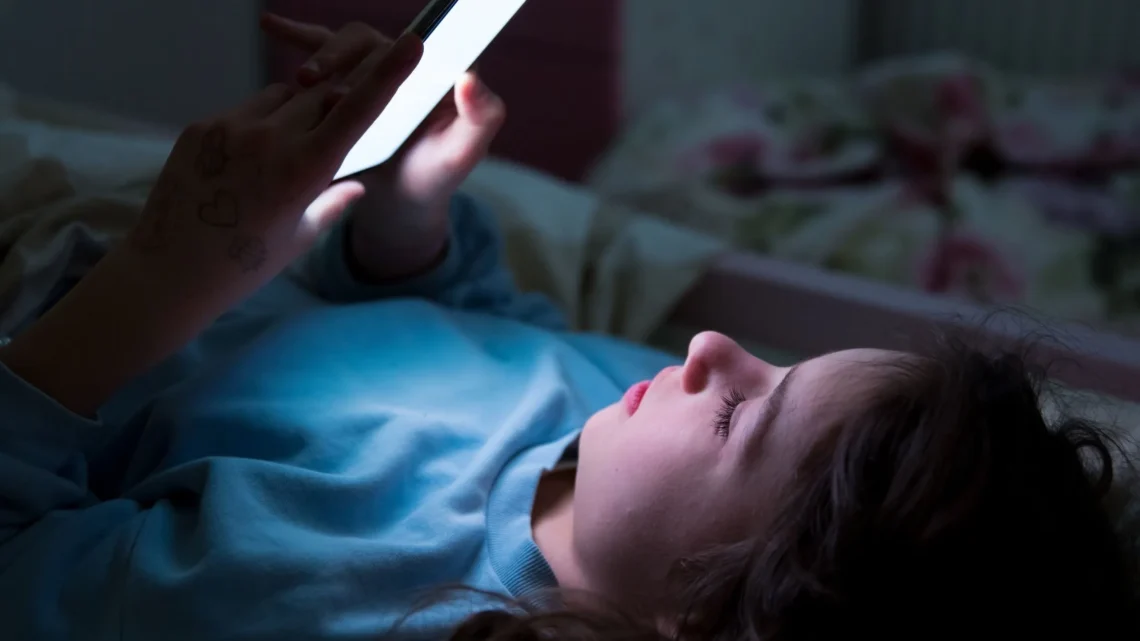
Without a walk or an outdoor plan to fill it, screens take over almost by default. One episode turns into three, and a quick look at the news ends an hour later in a social media feed.
Trending Now!!:
Screen time in itself is not the problem. Trouble starts when it pushes out sleep and time with other people, and winter is the season when that happens most easily.
Why Screen Time Grows When Days Get Shorter
Daylight shapes how we spend free time. A long, bright summer evening invites people outside, while in winter the same hours pass in cold, dark streets. Home becomes the default place to relax, and most home entertainment now runs through a screen.
The holiday season adds more reasons to stay on the sofa. Streaming services release seasonal films, and many game studios time their biggest launches for the gift period.
Online casinos take a share of these evenings as well, since a few rounds of slots or blackjack can feel like a short break between episodes. A casino session has no built-in end point, so it stretches easily when nothing else is planned.




For a site such as https://casinonv.net/, a simple rule helps: choose the session length before logging in and set a phone timer for it. Many licensed casinos also let players set time and deposit limits, and a limit chosen in advance is far easier to respect than one decided mid-game.
Screen Time Tools Already on Your Devices
Phones and computers already count every minute spent on them. The reports and limits are free and take a few minutes to set up, yet many people never open these menus.
A sensible first step is a week of simple observation. Check the report each evening without setting any limits, then put the first limit on the app that took the most time. A limit based on real numbers feels fair, while a random one gets ignored by the second evening.
iPhone and iPad
Apple’s Screen Time section in Settings shows daily and weekly totals, the most used apps and how often the phone is picked up. App Limits set a daily allowance for a single app or a whole category, such as social networks or games. When the time runs out, the app is blocked, though a tap on “Ignore Limit” still lets you continue.
Downtime is the stricter option. During a period you choose, for example from 10 p.m. to 7 a.m., it blocks everything except calls and the apps you allow. A weekly report shows whether the evenings are getting shorter on screen or longer, which makes it easy to compare winter weeks with the rest of the year.
Android
On most Android phones, the Digital Wellbeing menu shows a dashboard of app usage and lets you set a timer for each app.
Bedtime mode switches the screen to grayscale and silences notifications at a chosen hour, which makes late scrolling far less appealing. Focus mode works during the day as well: it pauses selected apps for a set period, and their notifications stay hidden until it ends.
Computers and Consoles
Mac computers have the same Screen Time settings as the iPhone. On Windows, time limits are available through Microsoft Family Safety, while Xbox, PlayStation and Nintendo Switch let account holders set daily playtime limits in their family settings.
Evening Habits That Cut Screen Time
Settings help, while habits decide whether limits hold in practice. Changes to your surroundings work better than willpower alone, since they remove a decision you would otherwise face every evening:
- Turn off autoplay on streaming services and video platforms. Netflix and YouTube both allow this in their settings, and without the countdown to the next episode, stopping becomes a choice you actually notice.
- Charge your phone outside the bedroom.
- Keep notifications only for calls and messages from people. Every badge from a shopping app or a game pulls you back to the screen, often for much longer than the alert deserved.
- Pick a fixed screen-off time for the evening and set an alarm for it.
- Get outside for a short walk while it is still light. A bit of daylight during the day makes the dark evening feel less like the only free time you have.
Two or three of these changes can already show up as a lower number in the weekly report. Adding them one at a time also makes it clear which one works for you.
Long winter evenings will stay long until spring, and screens will fill part of them. The goal is to decide in advance how big that part should be. Built-in limits and a few steady routines make that decision stick, leaving more of the evening for sleep and for people you care about.