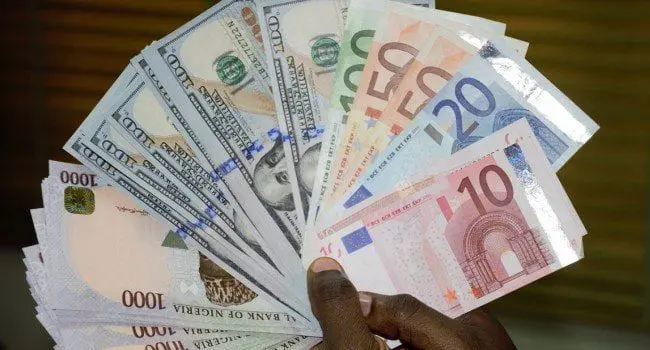
Aboki Naira to Dollar Black Market Exchange Rate Today, 11th July 2026
The Nigerian naira held relatively firm in the black market on Friday as currency traders quoted the US dollar at around ₦1,430 to ₦1,440 for selling, with buyers offering between ₦1,415 and ₦1,425 depending on the location and volume of transactions.
Market participants in major cities including Lagos, Abuja, and Kano reported brisk activity throughout the day, driven by sustained demand from importers and individuals seeking foreign currency for travel and business needs. Despite minor fluctuations, the parallel market rate showed little dramatic shift from levels observed earlier in the week, reflecting a period of cautious stability following recent interventions by monetary authorities.
Trending Now!!:
Traders attributed the resilience partly to improved dollar inflows from remittances and oil sector activities, even as broader challenges like inflation and import costs continue to influence trader sentiment. Many small-scale businesses and households turned to the informal market for quicker access to foreign exchange, where deals are completed faster than through official channels.
In comparison, the official Nigerian Foreign Exchange Market (NFEM) rate hovered near ₦1,380 per dollar, maintaining a noticeable but manageable gap with the black market. This spread has encouraged some arbitrage opportunities but also highlighted persistent liquidity differences between the two segments.
Economists monitoring the situation noted that the naira’s performance this month underscores the impact of Central Bank policies aimed at boosting reserves and attracting foreign investment. However, analysts caution that external factors such as global oil prices and domestic fiscal decisions could trigger renewed volatility in the coming days.
As the weekend approaches, observers expect trading volumes to taper slightly, with rates potentially holding steady unless significant news emerges on the economic front. Nigerians are advised to verify rates with trusted local dealers before conducting large exchanges, as conditions can shift rapidly based on supply availability.