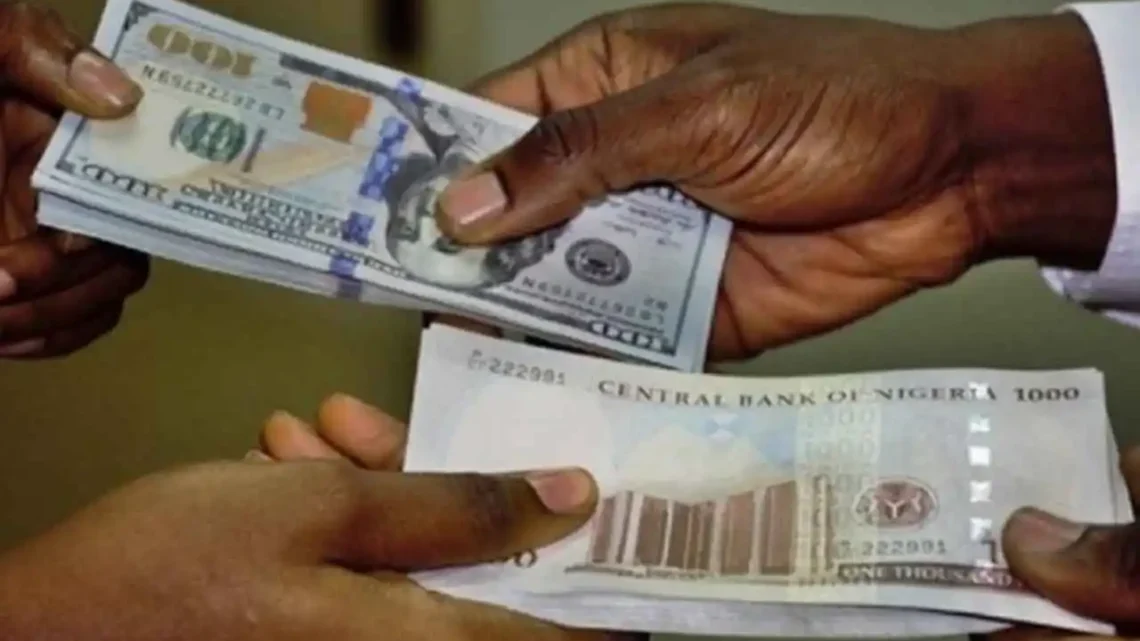
Aboki Naira to Dollar Black Market Exchange Rate Today, 12th June 2026
As of Friday, June 12, 2026, the Nigerian naira maintained a relatively stable position in the black market against the US dollar, with dealers quoting the greenback at approximately ₦1,400 for selling and around ₦1,390 to ₦1,397 for buying, according to aggregated reports from currency traders across major cities like Lagos, Abuja, and Kano.
This level reflects minimal movement from the previous day’s trading, where the parallel market saw the dollar changing hands in a narrow band amid cautious sentiment among buyers and sellers. Many attribute the steadiness to a balance between ongoing demand for foreign exchange in the informal sector and intermittent supply from remittances and other inflows.
Trending Now!!:
Market participants noted that activity remained brisk in key trading hubs, with some exchangers reporting a slight premium in high-demand areas. The spread between buy and sell rates hovered between ₦10 and ₦15, indicating steady but not overly volatile conditions. Compared to earlier in the week, when rates briefly touched similar highs, today’s figures suggest the naira is holding its ground without significant depreciation.
Official channels, meanwhile, continued to show a gap, with the Central Bank of Nigeria’s reference rate lingering lower around ₦1,360 per dollar. This persistent divergence underscores the challenges in unifying exchange rates and the enduring appeal of the parallel market for those seeking immediate access to foreign currency.
Economists and observers point to broader factors influencing the naira’s performance, including global oil prices, inflation trends, and policy measures aimed at boosting non-oil exports. Traders remain watchful for any announcements from monetary authorities that could shift dynamics in the coming days. For businesses and individuals relying on the black market, experts advise verifying rates locally, as they can fluctuate based on location and transaction size.
Overall, the current stability offers a temporary breather, though many anticipate continued pressure on the currency in the medium term unless structural economic improvements take hold. Nigerians planning exchanges are encouraged to stay updated through reliable local sources.