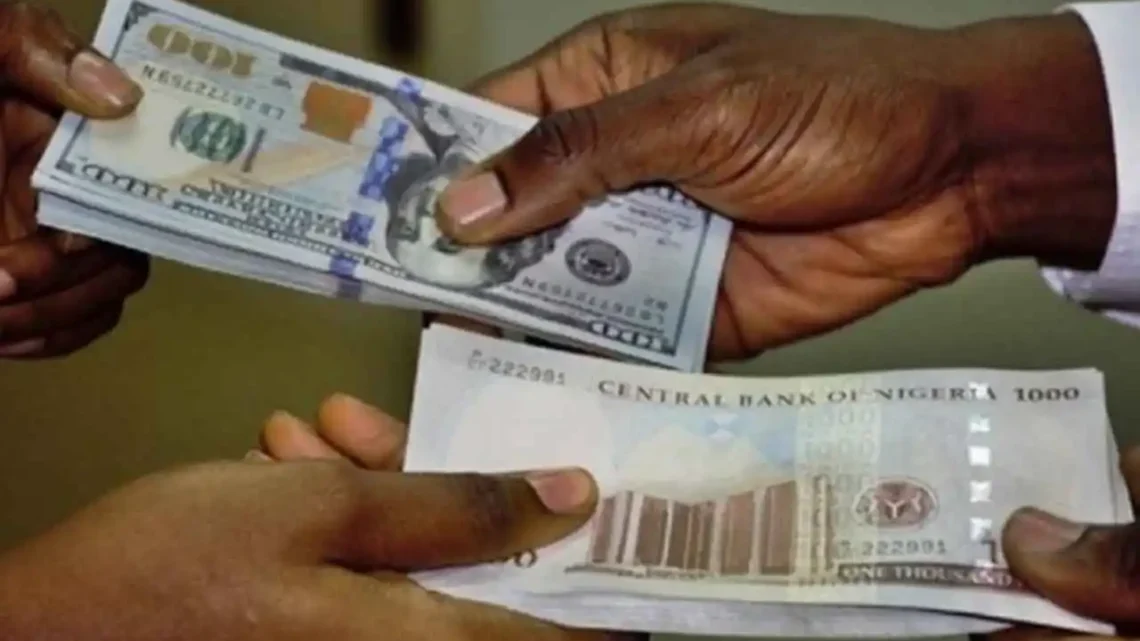
Aboki Naira to Dollar Black Market Exchange Rate Today, 16th August 2026
The Nigerian naira weakened further against the United States dollar in the parallel market on Sunday, 16th August 2026, with street traders in Lagos, Abuja, Kano and Port Harcourt quoting the dollar at ₦1,428 to sell and ₦1,415 to buy, according to data from NairaToday and AbokiFX.
The sell rate marked a jump of about 5.39 percent from the previous day’s trading, one of the sharper single-day swings recorded in the informal currency market this month. The spread between the buying and selling prices stood at ₦208, a gap dealers typically maintain to cover their margins on transactions.
Trending Now!!:
Against the official market, the naira held a much stronger position. The Central Bank of Nigeria’s official rate was pegged at approximately ₦1,357.61 to the dollar as of the same date, leaving a black market premium of roughly ₦1,126, or about negative 4.9 percent when set against the parallel rate. This gap between the official and street rates remains a persistent feature of Nigeria’s currency landscape, with many individuals and small businesses continuing to turn to bureau de change operators and independent dealers for dollars they cannot readily source through commercial banks.
Other major currencies also moved on the day. The British pound was quoted at ₦1,912 against the dollar equivalent in the parallel market, the euro traded at around ₦1,610, and the Canadian dollar was priced near ₦1,004, based on figures published by NairaToday.
The aboki rate, as it is widely known among Nigerians, remains the informal benchmark that many citizens rely on daily to plan international transactions, from paying school fees abroad to settling medical bills and topping up naira cards for online purchases. Operating outside the formal banking system, the black market rate tends to respond more quickly to shifts in demand and sentiment than the official window, which is influenced more directly by the central bank’s interventions and foreign reserve positioning.
Nigeria’s external reserves stood at an estimated 52.25 billion dollars during the reporting period, according to figures released by the Central Bank of Nigeria and cited by Aboki Forex. The naira had also gained ground in the official market in the days leading up to the weekend, supported by the central bank’s continued use of its discount window to aid liquidity for banks trading foreign exchange and government securities.




Analysts who track the parallel market point to demand pressures from importers, travellers and individuals settling dollar-denominated obligations as the primary drivers of day-to-day rate movements, alongside broader sentiment around oil prices and the naira’s performance in the official window. Bonny Light crude, a key benchmark for Nigeria’s oil exports, was trading close to 95 dollars per barrel amid rising geopolitical tensions, a factor that could shape the country’s foreign exchange earnings and, in turn, future currency stability.
No official statement addressing the specific rate movement on 16th August 2026 has been issued by the Central Bank of Nigeria or the Nigerian government at the time of this report. Black market rates fluctuate throughout the day and can vary by location and dealer, and the figures cited here reflect rates reported by currency tracking platforms as of the stated date.