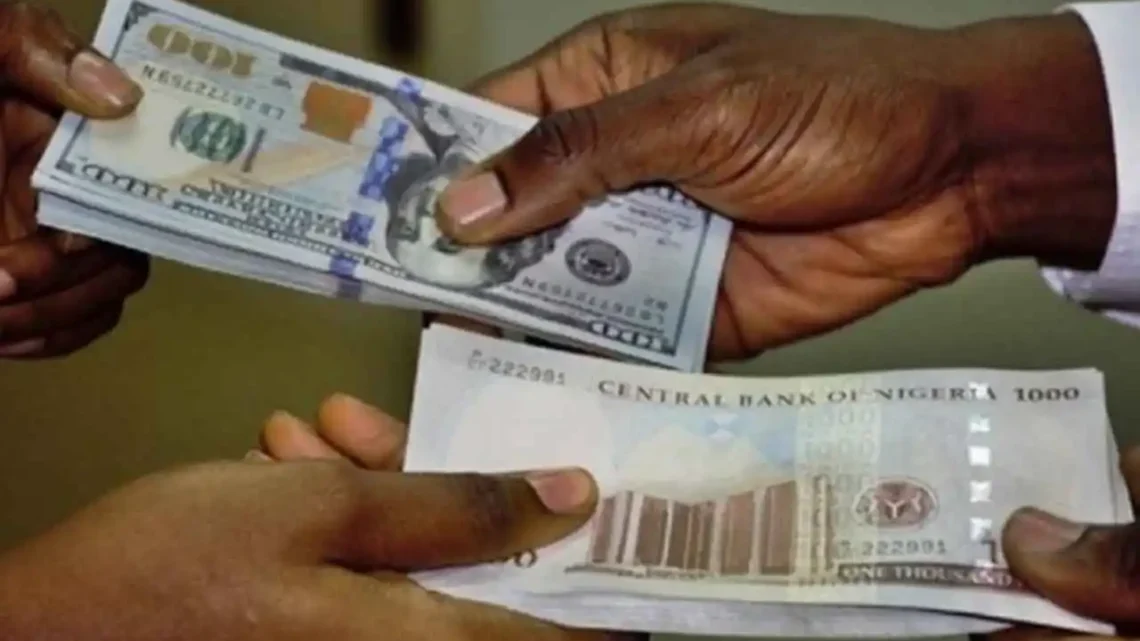
Aboki Naira to Dollar Black Market Exchange Rate Today, 17th August 2026
The black market rate for the naira against the US dollar held steady on Monday, 17th August 2026, with parallel market dealers quoting the dollar at around ₦1,420 to ₦1,428, depending on the platform and location tracking the trade.
The rate, popularly known in Nigeria as the Aboki rate, remains the benchmark many Nigerians rely on for everyday currency exchange outside the formal banking system.
Trending Now!!:
At the official window, the Central Bank of Nigeria’s Nigerian Foreign Exchange Market recorded the dollar at ₦1,357.61, based on the volume-weighted average of transactions reported through the CBN.
This represented an improvement for the naira compared with the previous week’s official rate of ₦1,365.69, according to figures cited by Proshare. The naira had gained 59 basis points at the official market by the start of the week.
The gap between the official and parallel market rates stood at approximately ₦62.39, a spread that analysts describe as relatively contained when measured against periods of sharper volatility in Nigeria’s currency history. For everyday Nigerians, however, the parallel market remains the more accessible option, particularly for those unable to source dollars through commercial banks or licensed Bureau de Change operators at the official rate.
Multiple platforms tracking the black market, including Aboki Forex and AbokiFX affiliated trackers, published figures placing the dollar between ₦1,420 and ₦1,428 on the day. NgnRates.com, which compiles rates shared by users, listed an average sell rate of ₦1,420 and a buy rate of ₦1,407 as of the previous day’s trading, 16th August 2026.




Small variations between platforms and cities are common, reflecting the informal and largely unregulated nature of the parallel market, where individual dealers set their own rates based on local supply and demand.
The relative stability in the naira’s value comes against the backdrop of a strengthening external reserves position. Nigeria’s foreign reserves rose to $52.19 billion as of 12th August 2026, the highest level recorded in 17 years, according to recent reports. Analysts have linked this buildup to improvements in liquidity and efficiency measures introduced by the CBN, which have contributed to easing pressure on the naira across both markets.
The persistent gap between the two markets continues to reflect the underlying segmentation in Nigeria’s foreign exchange system. Demand for dollars outside the official channel is largely driven by import dependent businesses, school fees paid abroad, medical tourism, remittances, and other transactions that individuals and companies cannot always complete through the banking system. As a result, the black market continues to serve as a parallel pricing mechanism that many Nigerians watch closely for decisions ranging from travel budgeting to business planning.
As trading continued through the day, both the official and parallel rates were expected to shift modestly depending on dollar supply from oil revenues and demand from importers and other market participants. No official statement addressing the specific rate movements on 17th August 2026 had been issued by the CBN at the time of this report.