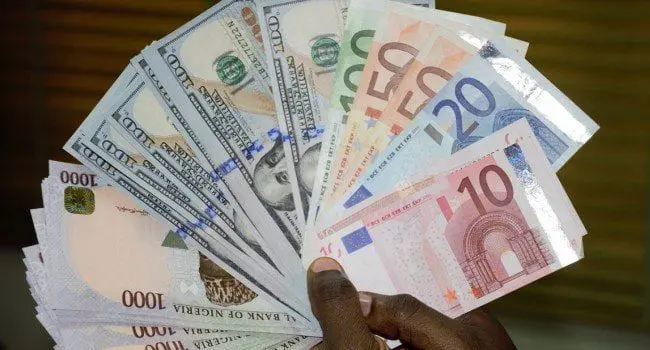
Aboki Naira to Dollar Black Market Exchange Rate Today, 17th October 2026
Street dealers and Bureau de Change operators in Nigeria’s parallel market quoted the US dollar at roughly ₦1,375 when buying cash from customers and ₦1,390 when selling on Saturday, 17 October 2026, according to indications from Lagos, Abuja, Kano and Port Harcourt.
The ₦15 spread between the buying and selling rates remained consistent with Friday’s levels, though individual quotes continued to vary with the size of the transaction, the specific location and the time of the day. A person handing over $100 would therefore receive about ₦137,500, while someone seeking to purchase the same amount of dollars would pay close to ₦139,000.
Trending Now!!:
At these rates, $500 would exchange for approximately ₦687,500 on the sell side and ₦695,000 on the buy side, and $1,000 would move at ₦1,375,000 and ₦1,390,000 respectively. These figures are indicative and exclude any additional charges that particular operators may apply.
The parallel-market range showed little change from the previous day’s quotations, providing a measure of continuity for importers, travellers and households meeting overseas obligations even on a weekend when formal trading is lighter. At the official Nigerian Foreign Exchange Market, the naira last closed near ₦1,332 per dollar, leaving a street premium of about ₦58, or a little over 4 percent.
That gap has stayed relatively contained by recent historical standards, supported by improved official liquidity and ongoing efforts by the Central Bank of Nigeria to reduce the difference between formal and informal segments. External reserves and oil-related inflows continue to underpin the official window, yet many users who cannot access dollars at the Central Bank rate still rely on cash transactions outside the banking system.
Demand from manufacturers sourcing inputs, students covering foreign fees and individuals transferring money abroad remains the main influence on street prices. Remittance inflows and the volume of dollars offered by authorized dealers can ease pressure.




At the same time, any sudden rise in import demand or a slowdown in foreign-currency supply can shift the parallel rate within hours. Because Aboki market prices are not fixed and can move before the end of the day, anyone planning to exchange currency is advised to confirm the live figure with a trusted dealer rather than rely solely on published averages.
The rates reported for 17 October therefore serve as a morning snapshot of the informal market and remain subject to the ordinary daily fluctuations that characterize Nigeria’s parallel foreign-exchange trade.