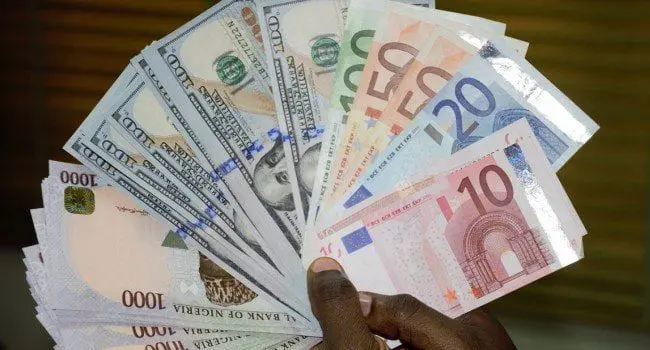
Aboki Naira to Dollar Black Market Exchange Rate Today, 17th September 2026
The Nigerian naira traded on Thursday, 17 September 2026, with a clear gap still visible between the official window and the parallel market known locally as the Aboki or black-market rate. Bureau de Change operators and street dealers in Lagos, Abuja, Port Harcourt and other cities were buying the dollar from customers at roughly ₦1,375 to ₦1,393 and selling it at about ₦1,390 to ₦1,398, according to rate trackers that poll dealers throughout the day.
One widely followed aggregator reported Bureau de Change quotes of ₦1,392.56 on the buy side and ₦1,397.79 on the sell side as of early afternoon West Africa Time. Other compilations put the mid-market parallel figure near ₦1,382.50, with selling rates clustering around ₦1,390. That left a premium of roughly four to five percent over the Central Bank of Nigeria’s official NAFEM rate, which stood near ₦1,329.56 per dollar.
Trending Now!!:
The official rate itself had slipped only modestly from the previous session, when the naira closed around ₦1,329.86. Interbank turnover had also cooled, falling sharply from the day before, even as Nigeria’s external reserves remained elevated above $54 billion. Market watchers said the relatively contained parallel-market spread reflected improved dollar inflows and continued policy efforts to unify rates, though demand from importers, travellers and households still kept street prices higher than the interbank window.
For ordinary transactions, $100 exchanged for about ₦137,500 to ₦139,800 depending on the dealer and location, while $1,000 would cost between ₦1.375 million and ₦1.398 million at the prevailing Aboki quotes. Rates can shift during the day and vary by city and transaction size, so travellers and businesses were advised to confirm with operators before exchanging cash. The pound and euro also traded at premiums on the parallel market, with the pound quoted near ₦1,850–₦1,880 and the euro around ₦1,550–₦1,595.
Analysts noted that the naira’s recent stability has been supported by stronger oil prices and reserve accumulation, yet the persistence of a parallel premium shows that official supply has not fully met all demand. Participants will keep watching CBN interventions, oil receipts and seasonal dollar demand as the month progresses.