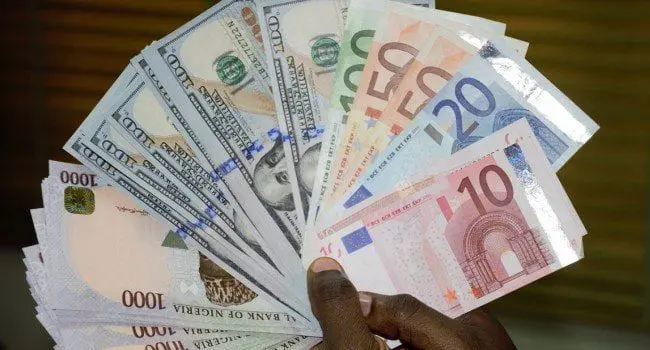
Aboki Naira to Dollar Black Market Exchange Rate Today, 18th August 2026
The Nigerian naira held largely steady against the United States dollar in the parallel market as trading opened on Tuesday, August 18, 2026, with currency dealers in Lagos, Abuja, Kano and Port Harcourt continuing to quote the greenback within the range seen over the past week.
As of the close of trading on Monday, August 17, black market rates averaged around ₦1,405 to buy and ₦1,415 to sell per dollar, according to figures compiled from street-level bureau de change operators, popularly referred to as aboki dealers.
Trending Now!!:
Precise figures specific to Tuesday, August 18 had not been independently confirmed at the time of writing, and readers are advised to verify rates with local dealers before transacting, as parallel market prices can shift several times within a single day and vary by location and transaction volume.
The parallel market rate, often called the aboki rate after the Hausa term commonly used for street currency traders, reflects the price at which dollars are bought and sold outside official banking channels.
It typically trades above the rate quoted at the Nigerian Foreign Exchange Market, the country’s official window supervised by the Central Bank of Nigeria. That gap, known as the exchange rate premium, has narrowed in recent months as the central bank has pursued reforms aimed at unifying the official and informal markets.
On the official side, the naira closed the previous trading week at approximately ₦1,358.25 to the dollar, gaining ground as the Central Bank of Nigeria reported external reserves climbing to about 52.25 billion dollars, the highest level in seventeen years.



The apex bank also moved during the week to ease liquidity conditions, removing certain restrictions on foreign exchange and government securities trading at its discount window and opening the facility to a wider pool of banks. Analysts have pointed to the reserve buildup and steady oil export earnings as key factors underpinning the naira’s relative stability in recent weeks.
Demand in the parallel market has continued to come from importers, travelers and individuals settling obligations abroad, including school fees and medical expenses, along with businesses restocking inventory. Dealers in major commercial hubs say supply has remained relatively steady, helping keep the spread between buying and selling rates modest compared to earlier periods of volatility.
The dollar to naira rate remains one of the most closely watched indicators in Nigeria, shaping the cost of imported goods, the price of international travel and school fees abroad, and everyday costs for consumers and businesses reliant on foreign exchange. Financial commentators and everyday Nigerians alike track the aboki rate daily given its direct bearing on household budgets and business planning.
No official statement addressing the specific August 18 trading session had been issued by the Central Bank of Nigeria or the Association of Bureau De Change Operators of Nigeria at the time of this report.
As with all parallel market figures, rates quoted by individual dealers may differ from the averages reported here, and the black market itself operates outside formal regulatory oversight, meaning figures are drawn from dealer quotations rather than centrally verified data.