
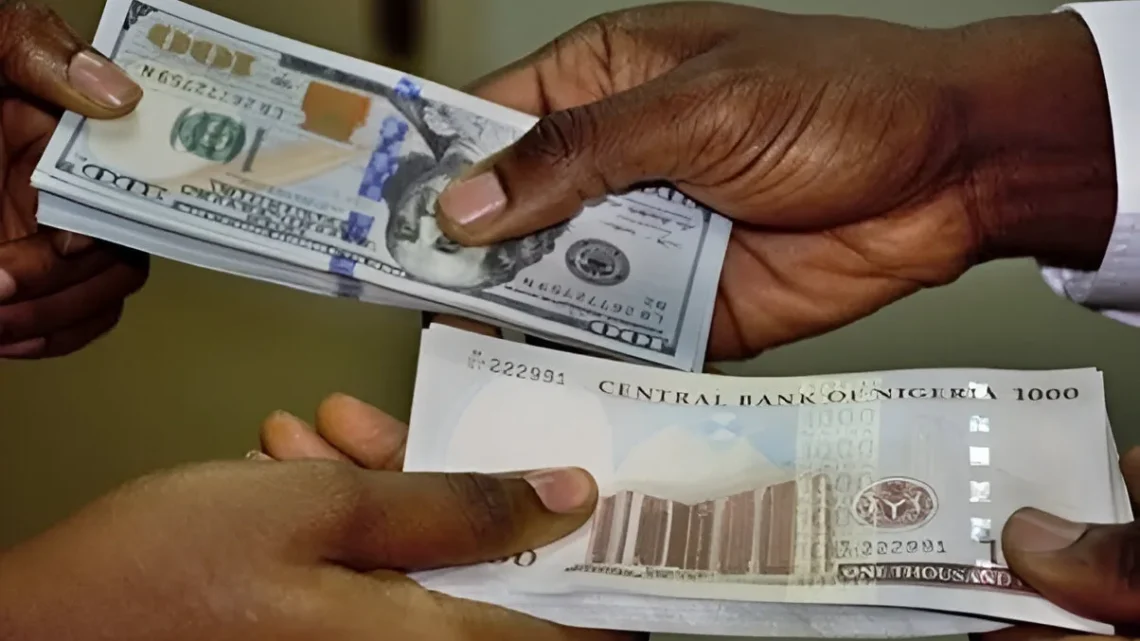
Aboki Naira to Dollar Black Market Exchange Rate Today, 19th May 2026
In Lagos and other major cities across Nigeria today, currency dealers in the black market quoted the US dollar between ₦1,390 and ₦1,400, reflecting a largely stable trading session amid ongoing pressures on the local currency.
Buyers acquired dollars at approximately ₦1,390 while sellers demanded up to ₦1,400, resulting in a narrow spread that points to balanced supply and demand in the informal forex segment.
Trending Now!!:
Market participants reported consistent activity throughout the morning, with the naira showing resilience compared to recent weeks.
This rate sits slightly above the official Central Bank of Nigeria window, which hovered near ₦1,371 per dollar in the latest interbank dealings. The parallel market premium remains modest, indicating that informal traders are aligning somewhat with broader liquidity improvements from recent policy measures.
Analysts attribute the current stability to a combination of factors, including sustained foreign inflows from oil exports and diaspora remittances, even as global uncertainties continue to influence investor sentiment.
Many Nigerians seeking dollars for travel, education, or imports turned to street traders, where transactions moved briskly but without the sharp volatility seen earlier in the year. Some dealers noted increased dollar availability in key hubs like Lagos, Abuja, and Kano, helping to prevent any sudden spikes.




Economic observers continue to watch developments at the apex bank, where efforts to unify exchange rates and build reserves have gradually eased some distortions between official and parallel channels. However, challenges such as inflation and import dependency keep the naira vulnerable to external shocks. For ordinary citizens, the prevailing rates translate to higher costs for foreign goods, reinforcing calls for stronger local production and diversified revenue streams.
As the day progresses, forex watchers expect the black market to remain in this range unless fresh news on crude oil prices or monetary policy triggers a shift. Businesses and individuals are advised to compare rates across sources before large exchanges, as conditions can adjust quickly based on real-time supply dynamics.