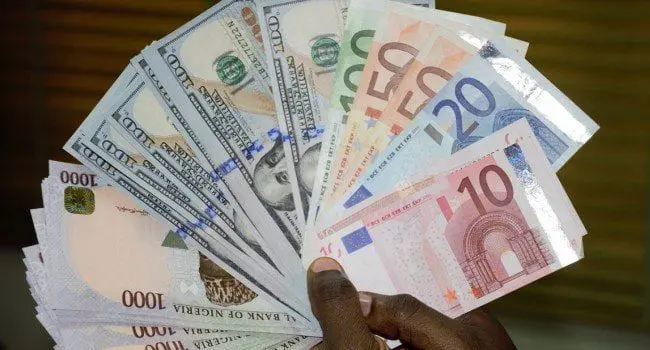
Aboki Naira to Dollar Black Market Exchange Rate Today, 20th May 2026
Nigeria’s parallel foreign exchange market opened Wednesday, May 20, 2026, with street-level currency traders, widely referred to as Aboki dealers, exchanging the United States Dollar against the Nigerian Naira at rates that continue to diverge noticeably from the Central Bank of Nigeria’s official benchmark.
Street traders and black market operators across Nigeria’s major cities are currently selling the dollar at ₦1,400 per unit and buying at ₦1,390, reflecting a ₦10 spread between the two sides of the transaction. The rate is updated on an hourly basis, with figures aggregated from active trading activity in major exchange hubs.
Trending Now!!:
The CBN official rate sits at ₦1,373.7, putting the black market sell rate at a premium of ₦26.3 above the regulated window. That gap, while not alarming by historical standards, remains a point of attention for traders, importers, and everyday Nigerians who depend on access to foreign currency for school fees, travel, online subscriptions, and cross-border commerce.
At the prevailing parallel market rate of ₦1,400 per dollar, $50 converts to ₦70,000, $100 to ₦140,000, $200 to ₦280,000, $500 to ₦700,000, and $1,000 to ₦1,400,000.
Several macroeconomic forces continue to shape the Aboki rate on a daily basis, including high demand for dollars driven by imports, school fees abroad, travel costs, and online payments, alongside constrained dollar supply in the Nigerian economy. Diaspora remittances, CBN monetary policy decisions, crude oil revenue flows, and import demand are among the primary variables that push the parallel market rate in either direction.
Looking at May’s trajectory, the dollar opened the month on May 1st with black market operators buying at ₦1,380 and selling at ₦1,390, a session that analysts described as reflecting moderate stability and temporary naira strengthening against the prior weeks of heightened volatility. Since then, the sell-side rate has crept upward by ₦10 to land at today’s ₦1,400 figure, a modest but steady shift that points to sustained demand pressure on the greenback.




The black market dollar to naira rate, also commonly referenced as the parallel market or street rate, captures the real supply and demand dynamics for foreign currency among everyday Nigerians, including traders, students, travelers, and businesses unable to access dollars through commercial banks at the official CBN rate. It remains the most searched foreign exchange metric in the country, and today’s figures reflect that enduring public reliance on the informal market as a practical gauge of the naira’s real-time purchasing power.