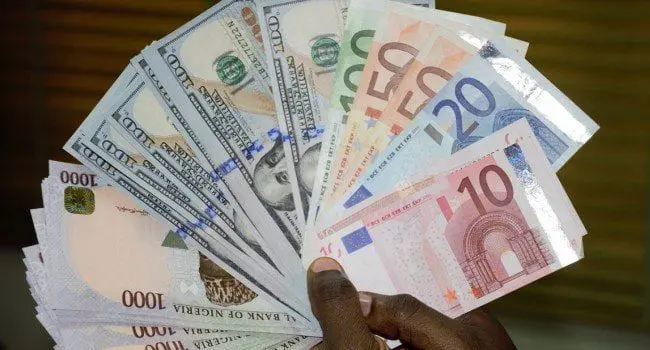
Aboki Naira to Dollar Black Market Exchange Rate Today, 21st July 2026
The Nigerian naira traded largely stable in the black market today, with dealers quoting the dollar at around ₦1,415 to ₦1,425, according to widely followed Aboki rates. Currency traders in major cities like Lagos, Abuja, and Kano reported buying the greenback at approximately ₦1,410 while selling it between ₦1,420 and ₦1,425, reflecting a narrow spread amid cautious market sentiment.
This parallel market level sits modestly above the Central Bank of Nigeria’s official rate, which hovered near ₦1,380 per dollar. The premium between the two windows has narrowed in recent sessions, signalling some improvement in foreign exchange liquidity following sustained interventions by monetary authorities. Many market participants attribute the relative calm to increased dollar inflows from diaspora remittances and oil export proceeds, even as demand from importers remains robust.
Trending Now!!:
Analysts note that the naira has avoided sharp swings this month after earlier volatility driven by global commodity prices and domestic economic pressures. “We are seeing more dollars available through official channels, which is helping to reduce pressure on the streets,” said a Bureau de Change operator in Ikeja who preferred anonymity. However, he cautioned that any sudden spike in petrol prices or import costs could quickly shift the balance.
Retail customers exchanging small amounts for travel or school fees encountered rates close to the upper end of the range, while larger transactions sometimes attracted slight discounts. Pound sterling and euro rates mirrored the trend, trading at roughly ₦1,890–1,903 and ₦1,630–1,640 respectively in the parallel market.
Economic observers continue to watch upcoming monetary policy decisions closely. With inflation still a concern and foreign reserves under scrutiny, stakeholders hope for further unification efforts between official and unofficial windows to boost investor confidence. For now, the naira’s performance in the black market offers a snapshot of everyday currency realities for millions of Nigerians navigating daily transactions.