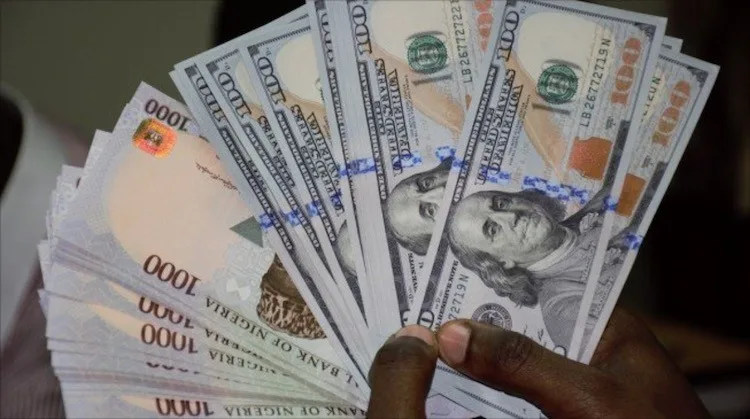
Aboki Naira to Dollar Black Market Exchange Rate Today, 21st November 2026
Street dealers in Nigeria’s informal foreign-exchange market quoted the dollar within a relatively stable but elevated band on Saturday, 21 November 2026, as weekend trading volumes remained light and cash availability continued to dictate local quotes.
In major centres including Lagos, Abuja, Kano and Port Harcourt, Bureau de Change operators and aboki traders were generally buying physical dollars from customers at between ₦1,455 and ₦1,470, while selling them at ₦1,470 to ₦1,485.
Trending Now!!:
Many desks settled near a midpoint of roughly ₦1,465 on the buy side and ₦1,480 on the sell side, though exact figures still varied with the condition of the notes, the size of the deal and the amount of cash each operator held at the moment of trade.
Someone converting $100 could typically receive around ₦145,500 to ₦147,000, while the same amount usually cost closer to ₦147,000 to ₦148,500 when purchased from the street.
Larger volumes largely followed the same range, although some traders noted that quotes could still edge higher if end-of-week remittance inflows stayed thin or if early festive-season demand from importers and travellers strengthened later in the day. City-to-city differences stayed modest and were driven mainly by local cash positions rather than any sharp shift in overall sentiment.




At the official Nigerian Foreign Exchange Market window, the naira continued to trade near ₦1,389 to ₦1,394 per dollar on the most recent Central Bank of Nigeria figures. That left a street premium of roughly ₦80 to ₦95, or about 6 to 7 percent above the regulated rate.
External reserves have remained in the mid-$50 billion range despite modest recent declines, supported by oil receipts and other inflows, yet weekly foreign-exchange supply into the formal market has been softer than earlier in the month.
Market participants attribute the persistent gap largely to seasonal demand ahead of year-end activities, corporate obligations and the preference of many households and small businesses for physical dollars outside the banking system.
Rates in the informal market remain indicative only and can change quickly with cash conditions; traders and customers are advised to confirm quotes directly before any transaction.