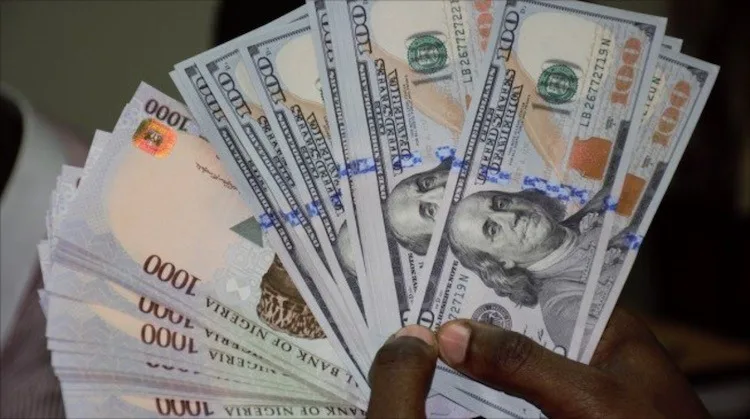
Aboki Naira to Dollar Black Market Exchange Rate Today, 22nd August 2026
Currency dealers across Nigeria’s major commercial centres, including Lagos, Abuja, Kano and Port Harcourt, continued to quote the United States dollar at a premium above official channels on Saturday, 22nd August 2026, as the gap between the parallel market and the Central Bank’s window persisted despite recent gains in the formal segment.
On the streets, popularly known as the Aboki market, the dollar was changing hands at approximately ₦1,405 to ₦1,410 for buying and between ₦1,415 and ₦1,428 for selling, figures that vary slightly depending on the dealer, the location and the size of the transaction. Bureau de Change operators in Lagos generally quoted rates at the higher end of that range, while dealers in Abuja and Kano offered marginally tighter spreads.
Trending Now!!:
The parallel market premium comes even as the naira has posted a notable run of gains at the official Nigerian Foreign Exchange Market in recent weeks.
The Central Bank’s benchmark rate settled around ₦1,347 to ₦1,350 to the dollar in the days leading up to the weekend, a level that market watchers described as a multi-month high for the local currency, helped along by improved dollar liquidity and steadier supply from portfolio inflows and other formal channels.
That leaves a gap of roughly ₦60 to ₦80 between what banks and licensed operators quote and what a buyer would pay a street dealer for physical cash, a spread that has narrowed somewhat from earlier in the month but remains wide enough to keep the informal market active.
Analysts tracking the currency say the divergence reflects the different pressures shaping each segment. Demand for physical dollars for travel, school fees abroad and personal imports keeps flowing to Bureau de Change operators and independent dealers who are not bound by the same supply arrangements available to commercial banks.




The Central Bank does not recognise the parallel market as an authorised channel and has repeatedly urged members of the public to route their foreign exchange needs through licensed banks and Bureau de Change operators rather than street dealers, citing both pricing risk and the absence of consumer protection in unregulated transactions.
Looking ahead, traders expect the naira’s direction to hinge on continued foreign exchange inflows, crude oil earnings, remittances from Nigerians abroad and the Central Bank’s ability to keep the official window consistently supplied.
Barring any fresh shock, the market appears to be settling into a range rather than bracing for renewed volatility, though rates on the ground can shift several times within a single trading day.
Anyone looking to exchange currency is advised to confirm the prevailing rate with their bank or a licensed operator before completing a transaction, since figures reported here reflect a snapshot of prices gathered from multiple dealers and can differ from what is quoted at the point of sale.