
Aboki Naira to Dollar Black Market Exchange Rate Today, 25th November 2026
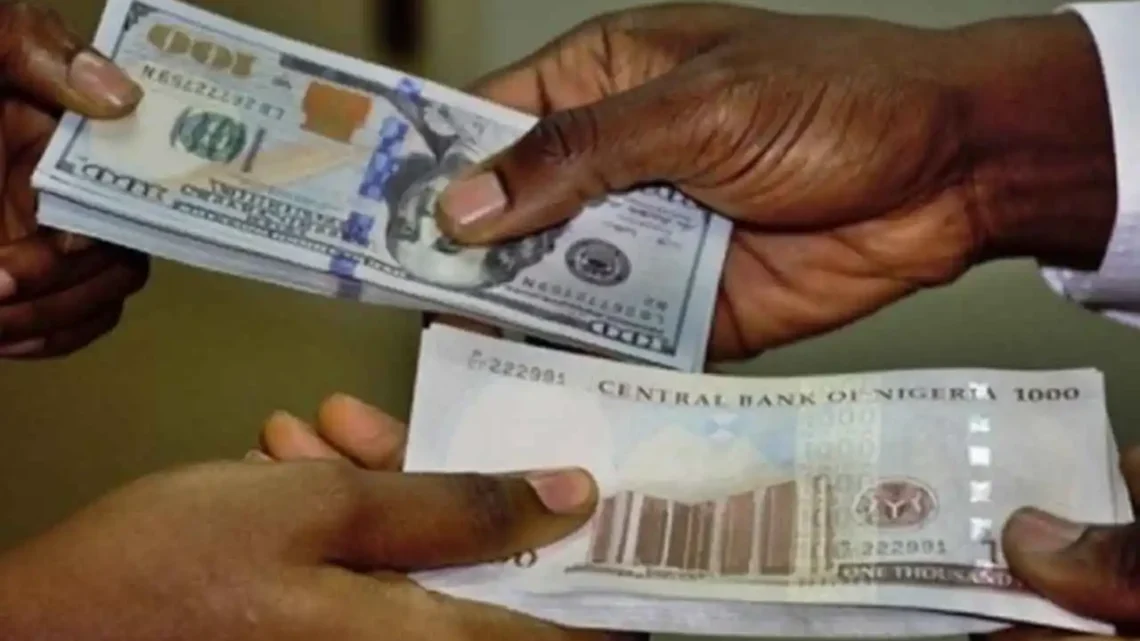
Street dealers in Nigeria’s informal foreign-exchange market quoted the dollar in a modestly steadier and slightly narrower band on Wednesday, 25 November 2026, as mid-week trading continued with improved cash positions in several locations and lighter immediate pressure than earlier in the month.
In Lagos, Abuja, Kano and Port Harcourt, Bureau de Change operators and aboki traders were generally buying physical dollars from customers at between ₦1,440 and ₦1,450, while selling them at ₦1,450 to ₦1,460.
Trending Now!!:
Many desks settled near ₦1,444 on the buy side and ₦1,455 on the sell side, though the exact rate still depended on the condition of the notes, the size of the transaction and how much cash each operator held at the moment of trade.
A customer converting $100 could typically expect to receive roughly ₦144,000 to ₦145,000, while buying the same amount usually costs closer to ₦145,000 to ₦146,000. Larger volumes largely followed the same range, although some traders noted that quotes could still edge higher later in the day if remittance inflows remained light or if seasonal import and travel demand strengthened ahead of year-end activities.
Differences across cities stayed limited and were driven mainly by local cash availability rather than any broad change in sentiment.




At the official Nigerian Foreign Exchange Market window, the naira continued to trade near ₦1,394 to ₦1,395 per dollar on the most recent Central Bank of Nigeria figures. That left a street premium of roughly ₦50 to ₦65, or about 4 to 4.5 percent above the regulated rate.
External reserves have remained in the mid-$50 billion range despite modest recent declines, supported by oil receipts and other inflows. At the same time, weekly foreign-exchange supply into the formal market has stayed softer than earlier in the month.
Market participants attribute the still-elevated but somewhat narrower gap largely to persistent demand from importers and households for physical dollars outside the banking system, alongside seasonal factors. Rates in the informal market remain indicative only and can shift with cash conditions; traders and customers are advised to confirm quotes directly before any transaction.