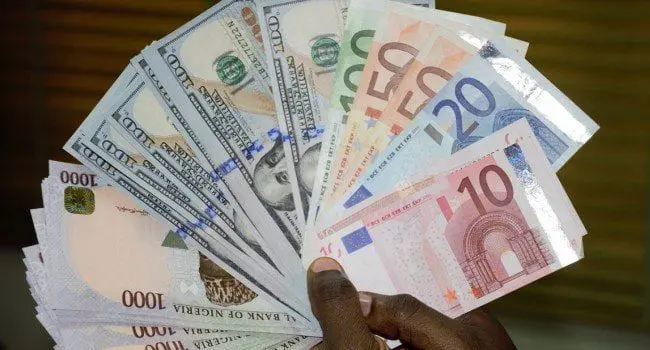
Aboki Naira to Dollar Black Market Exchange Rate Today, 26th April 2026
As of Sunday, April 26, 2026, the Nigerian naira continued to trade at a premium in the informal parallel market compared to official channels, with one US dollar exchanging for approximately 1,390 naira on the buying side and up to 1,400 naira when selling, according to popular trackers like Aboki Forex.
This slight uptick from recent sessions reflects ongoing demand for hard currency among businesses and individuals navigating import needs and remittances outside regulated banking systems.
Trending Now!!:
Traders in major hubs such as Lagos reported buy rates hovering around 1,388 to 1,392 naira per dollar, while sellers quoted closer to 1,400 naira, creating a modest spread that underscores persistent liquidity challenges in the black market. For context, exchanging 100 dollars would yield roughly 139,000 to 140,000 naira at these levels, a figure many everyday Nigerians monitor closely for travel, education fees, or small-scale imports.
In contrast, the Central Bank of Nigeria’s official window showed the dollar at about 1,348 naira, highlighting the gap that often drives activity toward street traders and bureau de change operators. Market watchers noted that recent interventions and improved foreign inflows had helped narrow this disparity in prior weeks, yet cash dollar scarcity in the parallel segment kept rates elevated.
Analysts attribute the resilience of the parallel rate to steady demand from sectors less served by formal forex auctions, including medical supplies, spare parts, and diaspora-related transactions. While some observers point to gradual macroeconomic improvements, including better oil revenues, the black market remains a key barometer for public sentiment on currency strength.
Participants are advised to exercise caution with unregulated exchangers to avoid counterfeit risks, and many recommend verifying live quotes through established platforms before any transaction. Rates can shift quickly based on supply arrivals and weekend trading dynamics, so real-time checks are essential for those planning exchanges today.