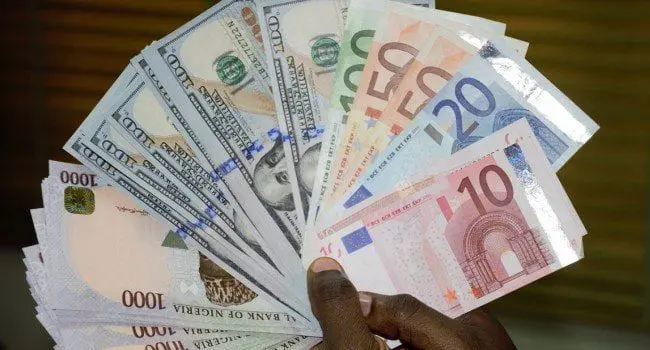
Aboki Naira to Dollar Black Market Exchange Rate Today, 26th May 2026
The Nigerian naira traded with little movement in the black market on Tuesday, with currency dealers quoting the US dollar at approximately ₦1,390 to ₦1,400.
This reflects the ongoing dynamics in the parallel forex segment, where supply and demand pressures continue to shape daily rates amid broader efforts to stabilize the economy.
Trending Now!!:
Market participants reported a buy rate hovering around ₦1,385 to ₦1,390 and a sell rate between ₦1,395 and ₦1,400 for the greenback.
These figures align closely with levels observed in recent sessions, indicating a period of relative calm after minor fluctuations earlier in the month. Sources familiar with street trading in major cities like Lagos, Abuja, and Kano noted steady activity, with buyers seeking dollars for travel, imports, and personal remittances.
The parallel market rate remains higher than the official window, where the Central Bank of Nigeria’s reference stood near ₦1,375 per dollar in the latest sessions. This premium underscores persistent demand for foreign exchange outside formal channels, driven by businesses and individuals navigating import needs and other transactions not fully covered by official allocations.
Analysts attribute the stability to a combination of factors, including improved dollar inflows from oil exports and diaspora remittances, alongside tighter monetary policies aimed at curbing inflation. However, challenges such as global commodity price volatility and domestic fiscal demands continue to test the naira’s resilience. Economic observers warn that sustained pressure on reserves could prompt further adjustments if inflows slow.




Traders on the streets, often referred to locally as “Aboki,” advised caution for those exchanging large sums, recommending verification of rates at multiple points to secure the best deals. For context, 100 US dollars would fetch roughly ₦139,000 to ₦140,000 in the black market today, while smaller transactions like $1,000 could range from ₦1.39 million upward depending on volume and negotiation.
As Nigeria’s economy grapples with post-reform realities, stakeholders are watching key indicators such as inflation trends, foreign reserves, and potential policy interventions. The coming days may bring more clarity as market forces and regulatory measures interact to influence the naira’s trajectory.