Aboki Naira to Dollar Black Market Exchange Rate Today, 29th November 2026
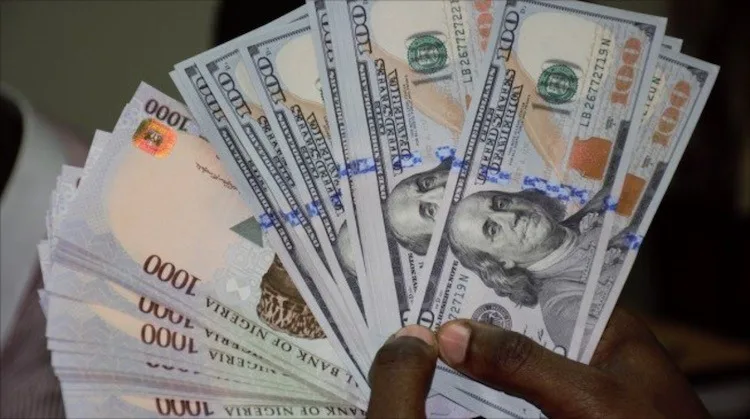
The naira heads into the final days of November with the United States dollar selling for about ₦1,460 on the black market, even after the local currency staged a late-week comeback at the official window.
Parallel market quotes at the close of the week put the dollar at about ₦1,450 for buying and ₦1,460 for selling. Dealers had no fresh official benchmark on Sunday, November 29, leaving Friday’s closing figures as the main reference point for the weekend. Street prices can differ from one city, dealer and transaction size to another, so customers should confirm the going rate before exchanging money.
Trending Now!!:
At these prices, a person selling $100 to a dealer would receive about ₦145,000, while a customer buying the same amount would pay about ₦146,000. A $1,000 purchase would cost roughly ₦1.46 million.
The naira closed Friday, November 27, at ₦1,376 to the dollar at the Nigerian Foreign Exchange Market (NFEM), a ₦2 improvement on Thursday’s ₦1,378. The official weighted average rate, calculated from the day’s transactions, stood at ₦1,367.45. Trading ranged between ₦1,350 and ₦1,377.50.
Measured against the closing figure, the black market selling price was ₦84, or about 6.1 per cent, higher than the official rate. The gap matters to households and businesses that depend on street dealers, since a $1,000 purchase at ₦1,460 costs ₦84,000 (about $58 at the same street rate) more than the amount calculated at ₦1,376.




Friday’s performance capped a sharp turnaround. The official closing rate had weakened to ₦1,397 on Wednesday, its poorest finish since March, before the naira gained ₦19 on Thursday in its biggest one-day advance in more than three months. Another modest rise on Friday took its two-day recovery to ₦21. The currency also ended the week ₦18, or about 1.3 per cent, stronger than its ₦1,394 close on November 20.
The rebound followed greater dollar support from the Central Bank of Nigeria (CBN), which raised the weekly foreign exchange allocation available to each licensed Bureau De Change operator from $150,000 to $1 million. The larger limit gives operators room to obtain more dollars for eligible retail customers, a move with the potential to ease some of the pressure that sends buyers to the parallel market.
Analysts at Cordros Securities linked the recovery to central bank intervention, increased offshore dollar offers and foreign exchange inflows connected to the Dangote share offer.
Trading activity, however, slowed considerably as the week ended. Interbank turnover fell by about 54.5 per cent, from $235.04 million on Thursday to $106.88 million on Friday. The number of transactions also dropped from 180 to 119, showing that the naira’s latest gain came during a much quieter session.
The recovery has yet to erase all of the month’s recent losses. Friday’s ₦1,376 close remained ₦16 weaker than the ₦1,360 recorded on November 16, when a difficult run for the currency began.
December could bring another test. Festive season imports and travel usually add to the need for foreign currency, and analysts at Cowry expect demand pressure to continue through the end of the year. They also pointed to weaker net inflows, tight global monetary conditions and investor caution ahead of Nigeria’s 2027 elections. However, they consider the country’s external reserves strong enough to support further central bank intervention.
For anyone buying or selling dollars, the next official trading session on Monday, November 30, should offer a clearer indication of whether the naira can extend its recovery. Customers should compare quotes, use authorised foreign exchange channels and keep records of their transactions.