All-Time Best TV Shows: 20 Series Everyone Should See
Not every show that critics call a masterpiece earns the title, and not every series that wins the awards is the one that actually stays with you. These twenty are different. They are the series that redefined the grammar of prestige television, built characters too complicated to forget, and demonstrated, season after season, that the small screen was never really small at all. If you have not seen them, this is where to start. If you have, this is the case for why they matter.
There is a moment, usually somewhere around the second or third episode of a truly great television series, when you realize you are no longer watching something. You are living inside it.
The characters stop being fictional. The world they inhabit starts to feel more real than the one outside your window. That feeling, rare and a little disorienting, is what separates the best TV shows of all time from everything else that fills up the schedule.
Trending Now!!:
I have spent more than a decade writing about television, tracking its evolution from appointment-viewing appointment-viewing into the fractured, streaming-saturated landscape it is today. I have watched prestige drama series in hotel rooms at 2 a.m.
I have abandoned shows mid-season and come crawling back to them years later, embarrassed that I left. I have also sat through enough bad television to last several lifetimes, which makes me, perhaps, the right person to tell you which ones are genuinely worth your time.
This is not a ranked list, because ranking these shows against each other would be like ranking great novels by weight. What follows is something more honest: twenty critically acclaimed TV shows that, in my view, every serious viewer should sit with before they die. Some are recent. Some are decades old. All of them changed what television could be.
1. The Sopranos (1999–2007)
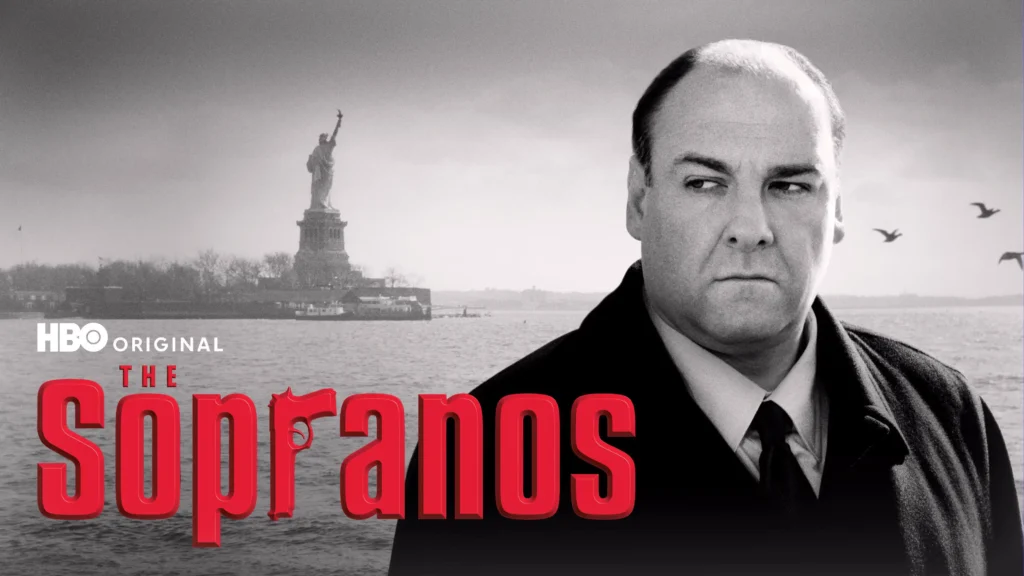
There is a version of this list where “The Sopranos” occupies every slot. HBO’s landmark crime drama, created by David Chase, did not just produce great television; it also shaped the way we think about crime.
It invented a new grammar for what the medium could say. Tony Soprano, played with terrifying vulnerability by the late James Gandolfini, is simultaneously the most charismatic and most morally compromised protagonist in the history of the screen.
What Chase understood, and what most writers still struggle to replicate, is that the best drama series are not really about plot. They are about the accumulating weight of character. Watching Tony rationalize his violence, his infidelities, his cruelty to people he claims to love, is a masterclass in how fiction can reveal the human capacity for self-deception.
The panic attacks, the ducks, the gabagool, the way he looks at his children, knowing what he has condemned them to. This is television that earns its darkness.
The show ran for six seasons across eight years and never once lost the thread. That alone makes it extraordinary.
2. Breaking Bad (2008–2013)
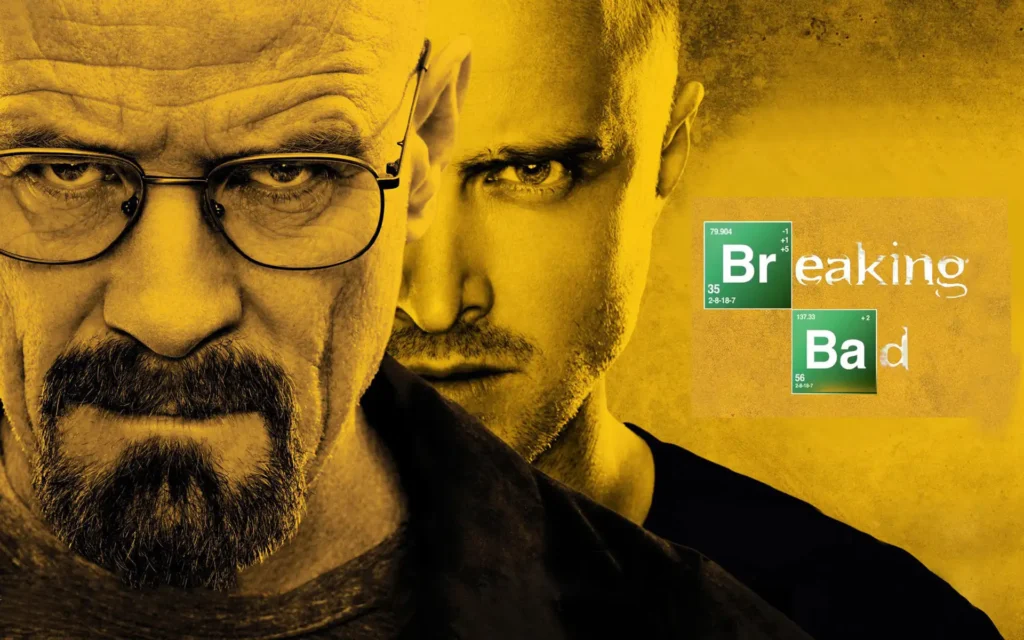
If “The Sopranos” built the cathedral, “Breaking Bad” proved that other architects could work in the same style. Vince Gilligan’s transformation narrative, the story of a dying chemistry teacher who becomes a methamphetamine kingpin, is perhaps the most precisely engineered series ever produced. Every season, every episode, every scene was constructed with a clockmaker’s obsession.
Bryan Cranston’s Walter White is one of the great performances in the history of the medium. What makes it genuinely unsettling, even now, is how long you root for him. Gilligan has spoken about wanting to turn Mr. Chips into Scarface, and he succeeded so completely that most viewers did not notice the turn until it was too late. You were already complicit.
For anyone building a must-watch TV show watchlist, “Breaking Bad” is non-negotiable. Its final stretch of episodes, from “Ozymandias” onward, remains some of the most harrowing television ever broadcast.
3. The Wire (2002–2008)
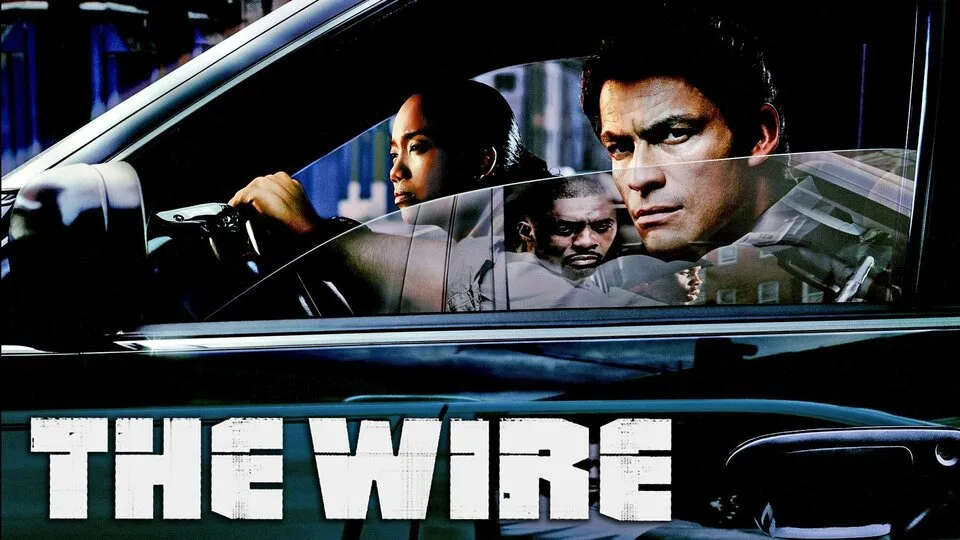
Ask any serious television writer to name the greatest TV series ever made, and a significant portion of them will say “The Wire” without pausing to think. David Simon’s Baltimore epic is not actually a crime show, though it wears that costume convincingly. It is a systemic critique of American institutional failure, told across five seasons through the perspectives of police, drug dealers, dock workers, politicians, journalists, and children.
The show was not a massive ratings hit during its original run. It was rediscovered through word of mouth, through DVD box sets, through the kind of evangelical recommendation that only happens when something genuinely rewrites what you think storytelling can do. Omar Little alone, the queer stickup man with a code of honor in a world without one, is one of the most fully realized characters in any dramatic series, television or otherwise.
“The Wire” demands patience. The first three episodes move slowly and deliberately. By the time you understand what it is doing, you will not be able to stop.
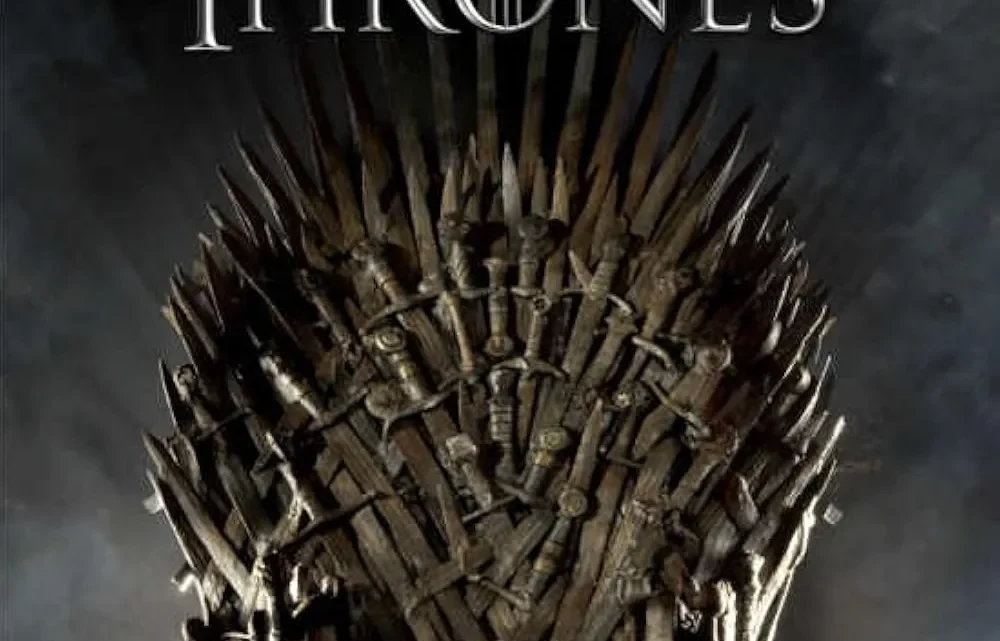
4. Game of Thrones (2011–2019)
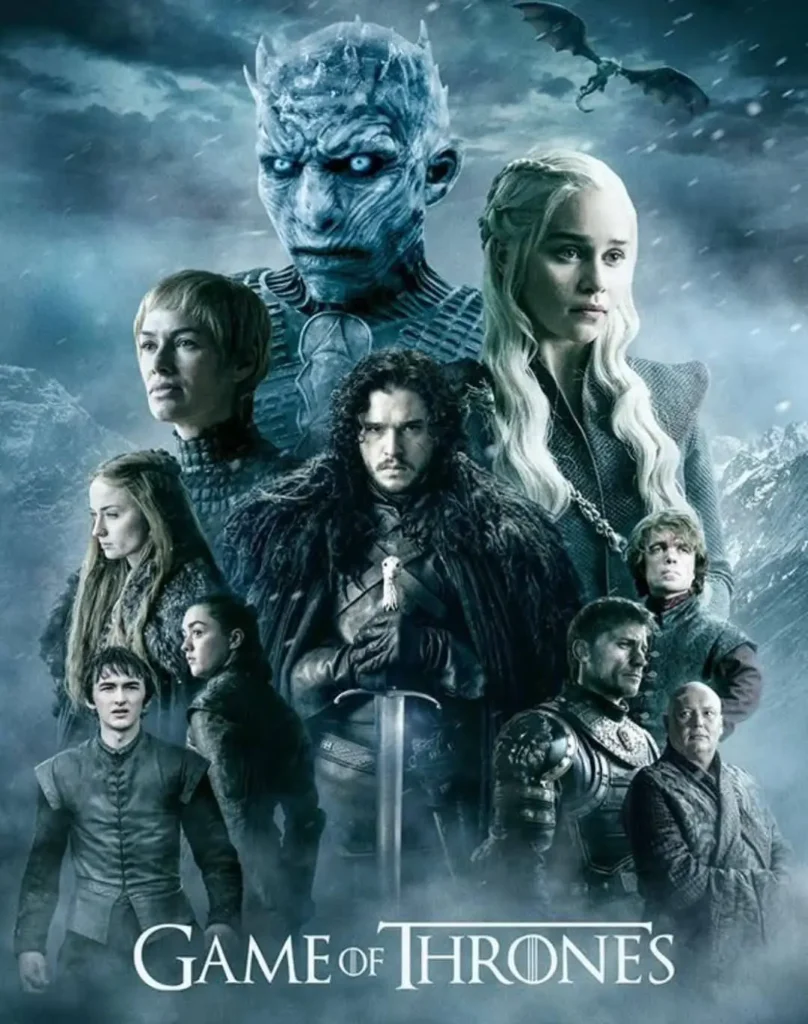
Yes, including this one, even knowing what seasons seven and eight did to its reputation. At its peak, roughly the first four seasons plus scattered brilliance through season six, “Game of Thrones” was the most ambitious television production ever attempted.
The scale, the political intrigue, the willingness to execute beloved characters without warning, all of it combined to create a communal viewing experience unlike anything before or since.
The Red Wedding. Ned Stark’s execution. The Battle of the Bastards. These are not just iconic TV moments. They are cultural events that people experienced together in real time, the way previous generations experienced moon landings or championship matches.
That the show faltered badly in its final seasons does not erase what it achieved. It expanded the appetite of global audiences for serious, complex, budget-intensive prestige drama. Without “Game of Thrones,” many of the shows that followed it would not exist.
5. Mad Men (2007–2015)
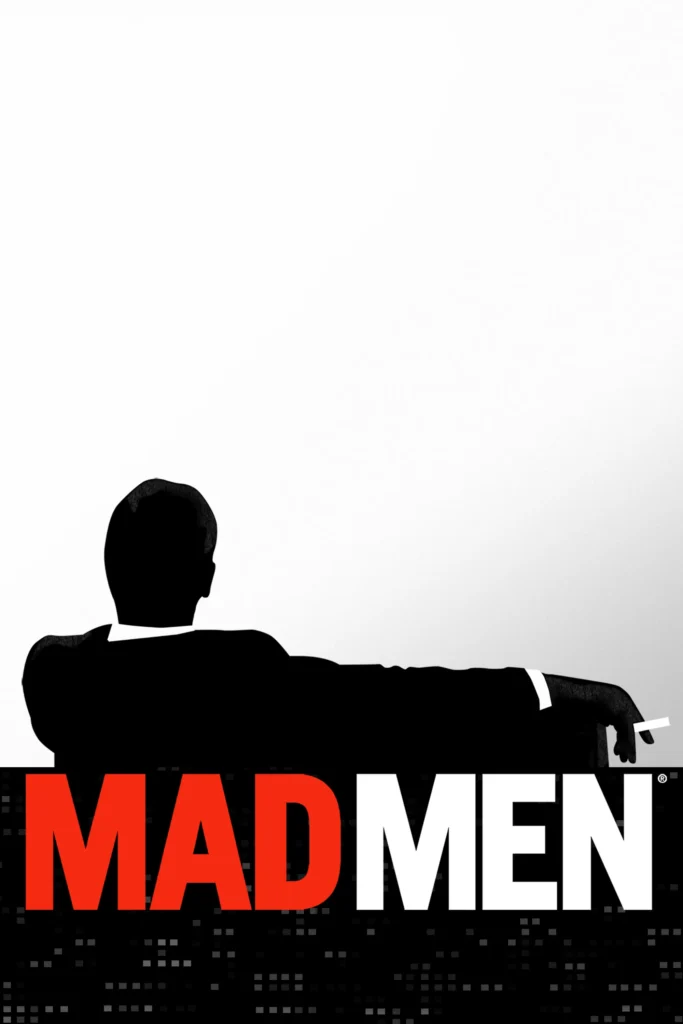
Matthew Weiner’s portrait of a New York advertising agency in the 1960s is the most formally controlled series in this collection. “Mad Men” moves at the pace of a long, luxurious meal, comfortable in its silences, deeply suspicious of easy resolution.
Don Draper, played by Jon Hamm with a stillness that communicates more than any speech, is a man who reinvented himself so completely that he no longer knows who he was before. In the world of classic television series, few characters carry that kind of weight.
The show’s real subject is the American myth of reinvention, and how costly that myth is to everyone who buys into it. Don’s wives, his children, his colleagues, his lovers, all of them pay the price for his charm and his absence. Weiner was fascinated by what people hide, and every frame reflects that obsession.
Seven seasons. Almost no wasted episode. An ending that managed to be both bittersweet and, if you read it right, darkly funny.
6. Fleabag (2016–2019)
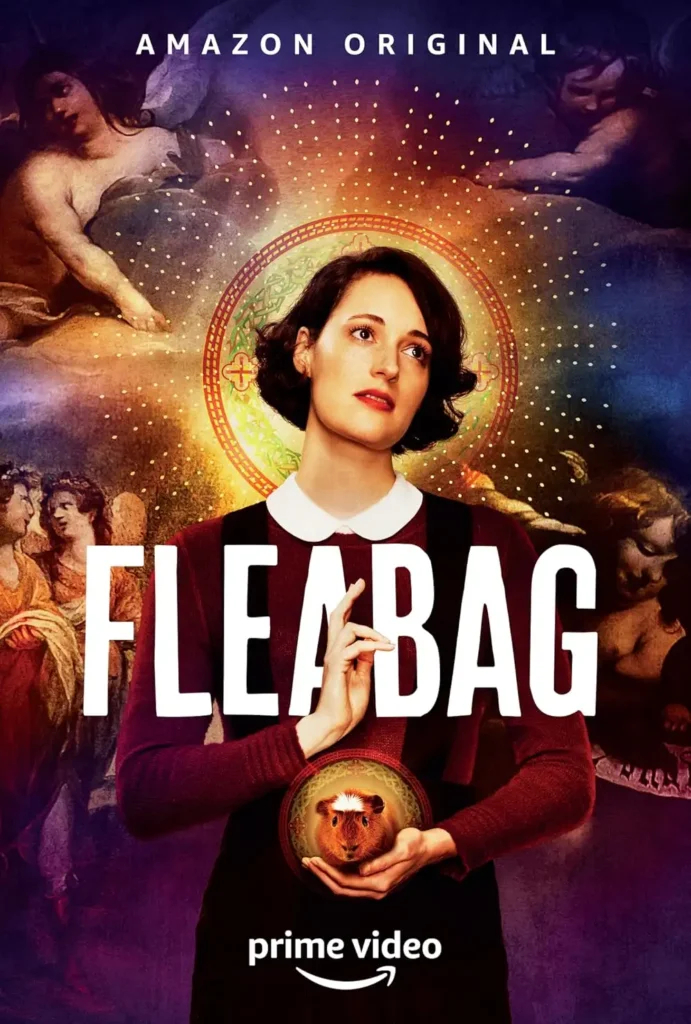
Phoebe Waller-Bridge wrote and starred in this BBC/Amazon series as a thirty-something woman navigating grief, bad sex, family dysfunction, and a desperate need for human connection, all while looking directly at the camera and making you complicit in her worst decisions.
Two seasons. Twelve episodes. Essentially no filler. “Fleabag” is proof that the best TV shows do not need scale. They need precision. The fourth-wall breaks, which should be a gimmick, become the emotional architecture of the series. When she stops breaking the fourth wall in the final episode, you feel it in a way that is difficult to describe without sounding ridiculous.
The priest storyline in season two is some of the most romantically devastating television of the past decade. Andrew Scott, playing a character known only as “The Priest,” has never been better.
7. The West Wing (1999–2006)
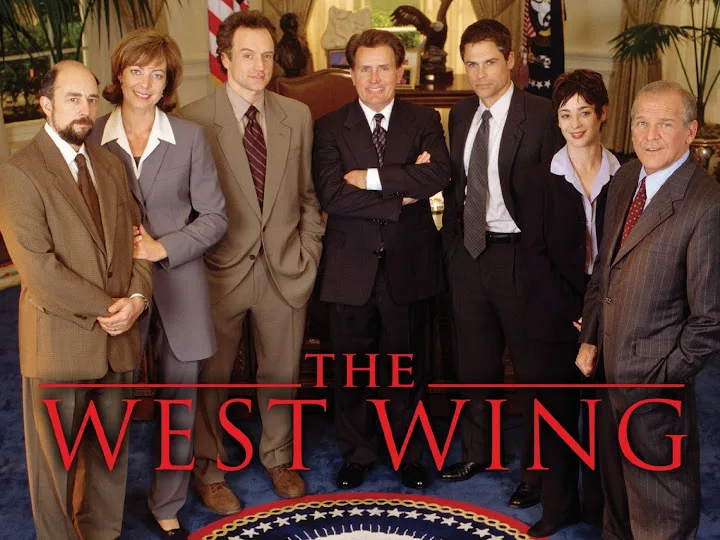
Aaron Sorkin’s idealized portrait of a Democratic White House is, admittedly, a fantasy. No administration ever moved with that eloquence or those walk-and-talk rhythms. But “The West Wing” at its best, which is to say the first four seasons, represents something meaningful: television as civic aspiration.
Jed Bartlet, played by Martin Sheen, is the president that viewers of a certain temperament have spent their adult lives mourning because he was fictional. The ensemble, including Allison Janney’s C.J. Cregg, one of the great supporting characters in the history of award-winning television, functioned as a kind of extended family whose internal politics were as compelling as the external ones.
“The West Wing” is not cool in the way “The Wire” is cool. But it is serious, earnest, well-crafted, and more emotionally intelligent than its detractors give it credit for.
8. Succession (2018–2023)
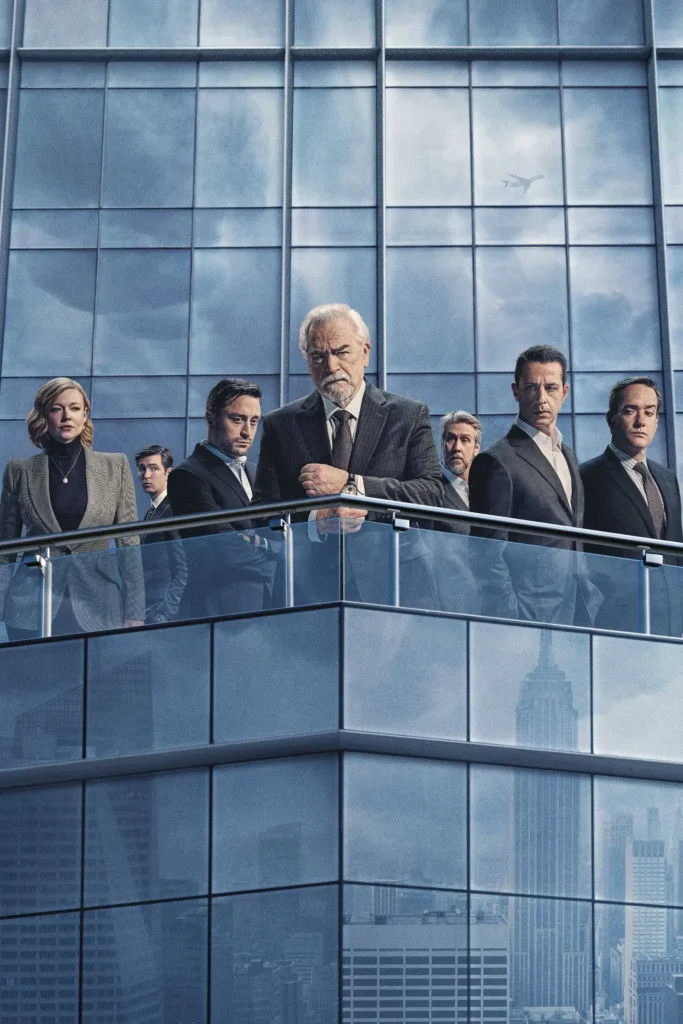
The Roys are terrible people. That is the premise and the entire joke and, by the end of four seasons, something approaching a tragedy. Jesse Armstrong’s Shakespearean media-dynasty drama managed to do what very few shows can: it made you simultaneously despise its characters and genuinely grieve when they failed.
Logan Roy, played by Brian Cox with operatic ferocity, is one of the finest villain-patriarch figures in the history of the medium. His children, three of them positioned as potential heirs, are each broken in specific and recognizable ways. The show is extraordinarily funny. It is also, by its final season, devastating.
The last episode of “Succession,” “With Open Eyes,” is the kind of ending that changes how you remember everything that came before it. In a landscape crowded with prestige TV, it stands alone.
9. Arrested Development (Seasons 1–3, 2003–2006)
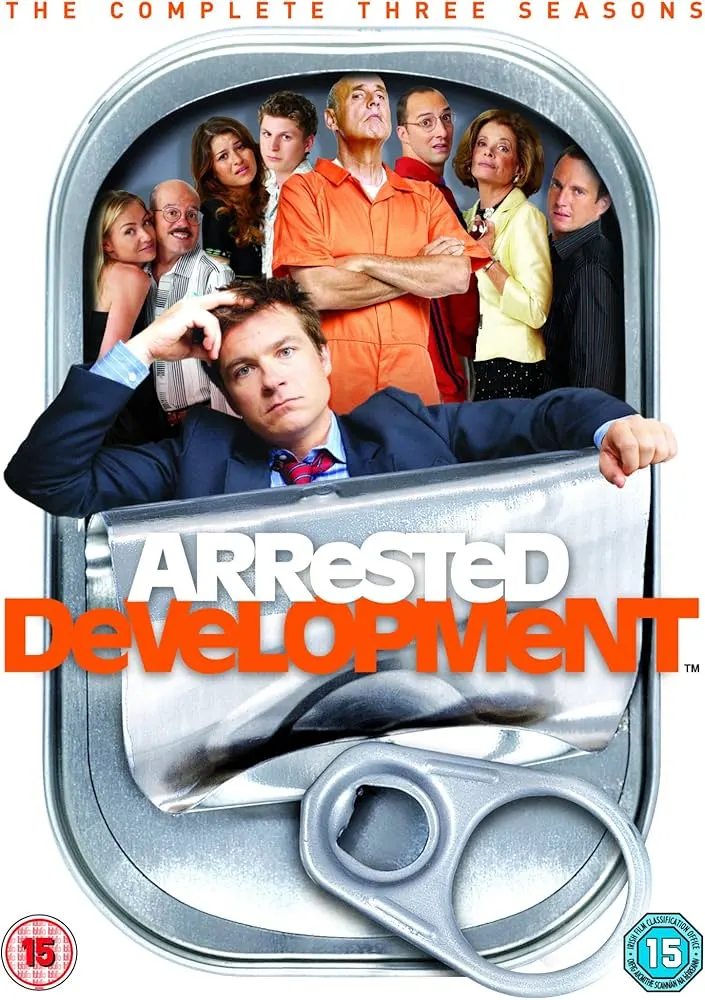
The first three seasons of Mitchell Hurwitz’s sitcom about a spectacularly dysfunctional wealthy family constitute the densest, most precisely written comedy in television history. The show operated on at least four different levels of joke simultaneously, planting callbacks in the pilot that would not pay off until season three, trusting its audience to keep up.
It was cancelled by Fox after three seasons, which is one of broadcasting’s great crimes. The Netflix revival was uneven, but the original run remains the gold standard for anyone studying what television comedy can do when it commits fully to its own logic.
Ron Howard narrated. David Cross played a method actor living in the attic. It remains hilarious twenty years later.
10. Chernobyl (2019)
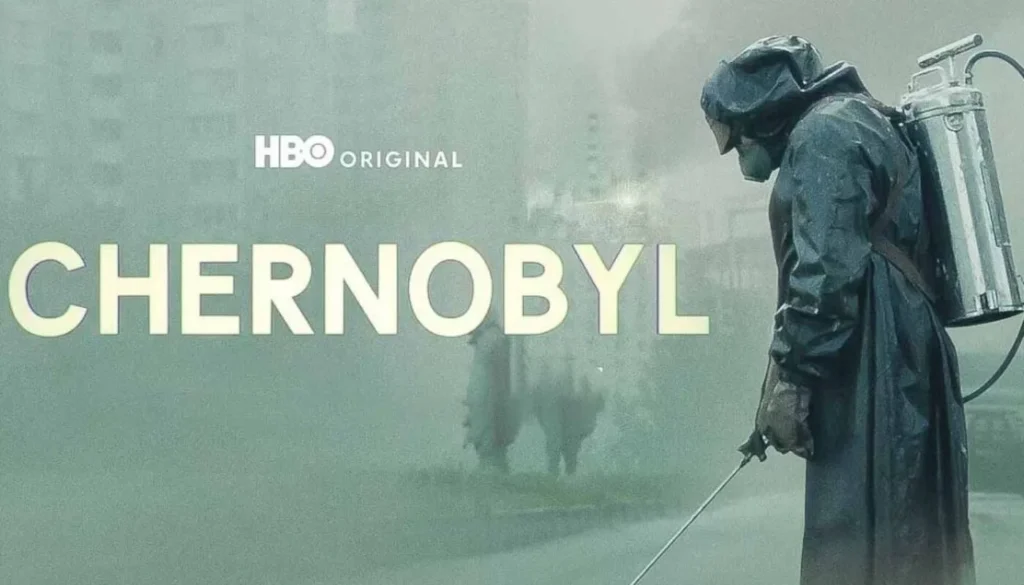
HBO’s five-part miniseries about the 1986 nuclear disaster is the best limited series ever produced, and I say that having watched a great deal of competition. Craig Mazin wrote a script that is simultaneously historically rigorous and dramatically visceral, and Johan Renck directed it with a stillness that makes the horror of what is happening feel more real precisely because it is understated.
Jared Harris plays Valery Legasov, the Soviet scientist trying to contain both the physical disaster and the institutional dishonesty surrounding it. Stellan Skarsgard plays the party bureaucrat who slowly grasps the enormity of what has happened. Emily Watson plays a composite character whose presence is essentially the audience’s proxy.
“Chernobyl” works because it understands that institutional lying is its own form of catastrophe. That theme has not aged.
11. Sherlock (2010–2017)
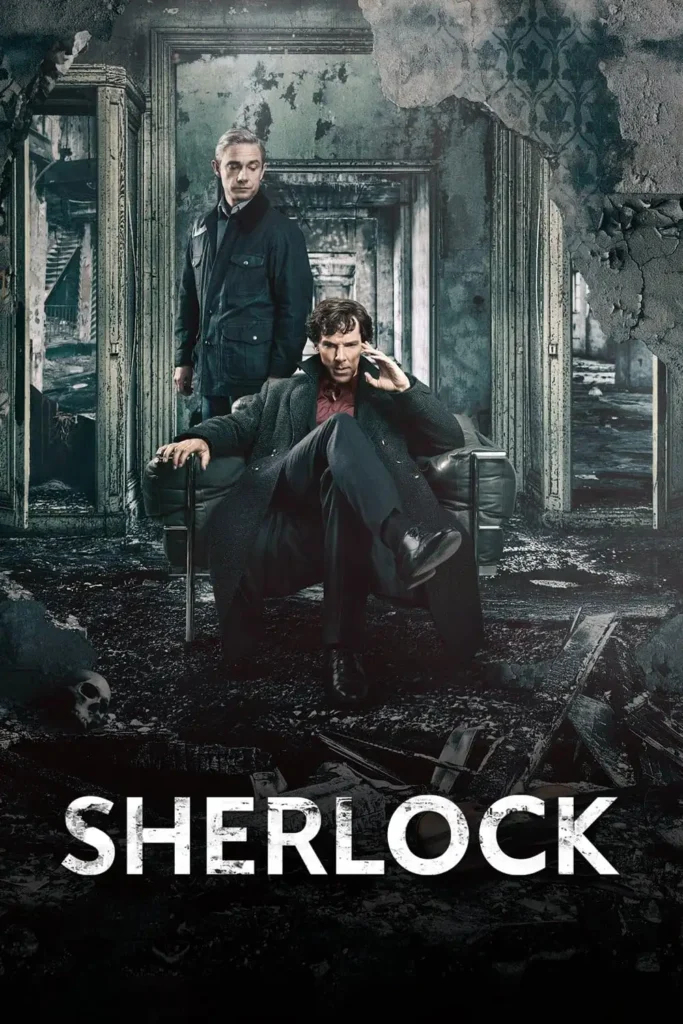
Steven Moffat and Mark Gatiss took Arthur Conan Doyle’s Victorian detective into twenty-first-century London and produced, in its first two series, some of the most kinetically pleasurable television of the decade. Benedict Cumberbatch’s Holmes is cold, electric, and deeply strange. Martin Freeman’s Watson is warmer and funnier than any previous adaptation dared to make him.
The show lost some of its tightness in later seasons, a common complaint about series that start as short, focused runs and then expand under the weight of their own popularity. But “A Scandal in Belgravia” and “The Reichenbach Fall,” both from series two, are as well-constructed as any episodes on this list.
12. Fargo (2014–present)
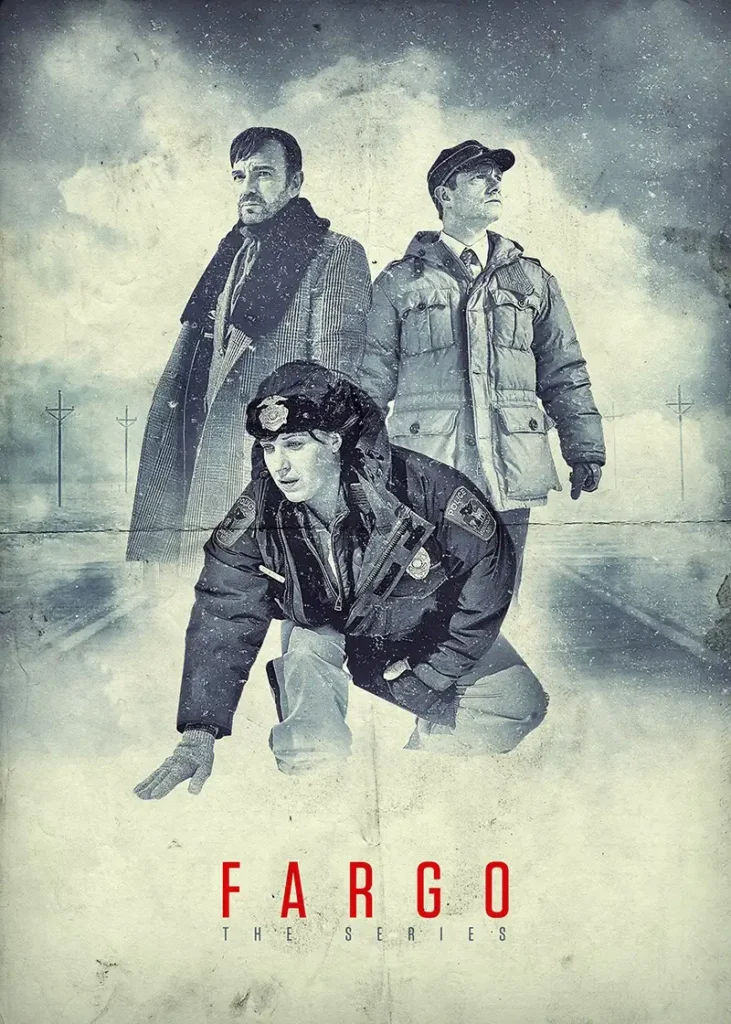
Noah Hawley’s anthology series, inspired by the Coen Brothers film rather than adapted from it, has produced some of the most consistently excellent television of the streaming era. Each season tells a new story set in the upper Midwest, loosely connected to the others, with a rotating cast and a commitment to a specific blend of violence, dark comedy, and philosophical melancholy.
Season one, starring Billy Bob Thornton as a catalyst-for-chaos drifter and Martin Freeman as a put-upon insurance salesman, is a near-perfect piece of television. Season three, starring Ewan McGregor in dual roles, is underrated. Season four, set in 1950s Kansas City, is bold and strange.
The show trusts its audience to follow it somewhere unexpected. That is rarer than it should be.
13. Battlestar Galactica (2004–2009)
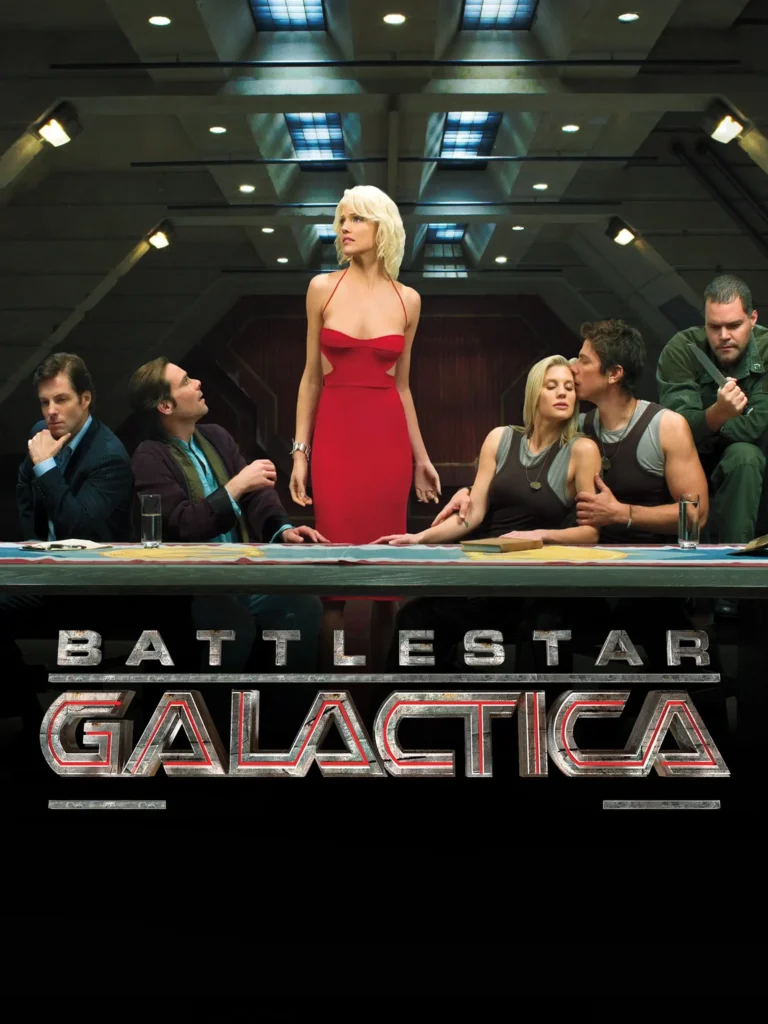
Do not let the science fiction trappings put you off. Ronald D. Moore’s reimagining of the 1970s space opera is one of the great allegorical dramas of the post-9/11 era, a serious examination of what happens to democratic societies under existential threat. The Cylons, robots who have nearly destroyed humanity, are not simple villains. Neither are the humans trying to survive them.
The first two seasons, in particular, are extraordinary television: tense, morally complex, and genuinely surprising. The show’s later seasons are more uneven, and the series finale remains controversial among fans. But at its best, “Battlestar Galactica” asked harder questions about identity, religion, and the ethics of survival than most prestige dramas half its audience would consider more legitimate.
14. Twin Peaks: The Return (2017)
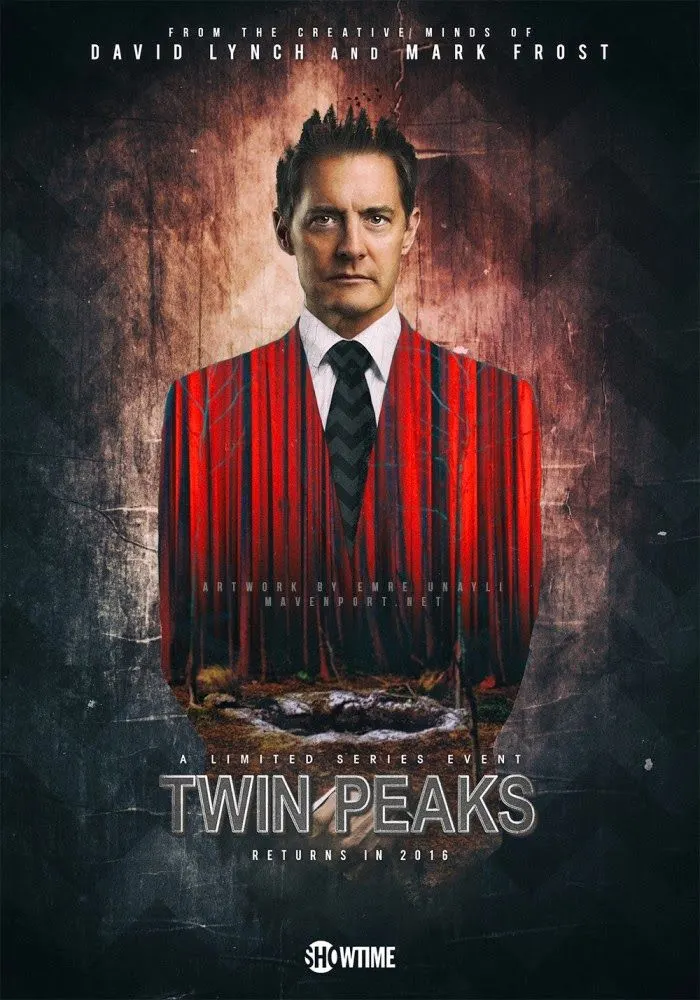
This is the most demanding entry on the list. David Lynch’s third season of “Twin Peaks,” made for Showtime twenty-five years after the original series, is eighteen hours of television that frequently refuses to behave like television at all.
Episode eight alone, a mostly wordless sequence involving a nuclear explosion and an entity called the Woodsman, has no real precedent in the history of the medium.
“The Return” is not for everyone. It is slow, oblique, sometimes frustrating, and periodically transcendent. But for viewers willing to surrender to it, it represents something genuinely unprecedented: a work of avant-garde cinema that happened to be delivered in eighteen weekly installments.
Kyle MacLachlan gives the performance of his career. The final two episodes will stay with you.
15. The Crown (2016–2023)
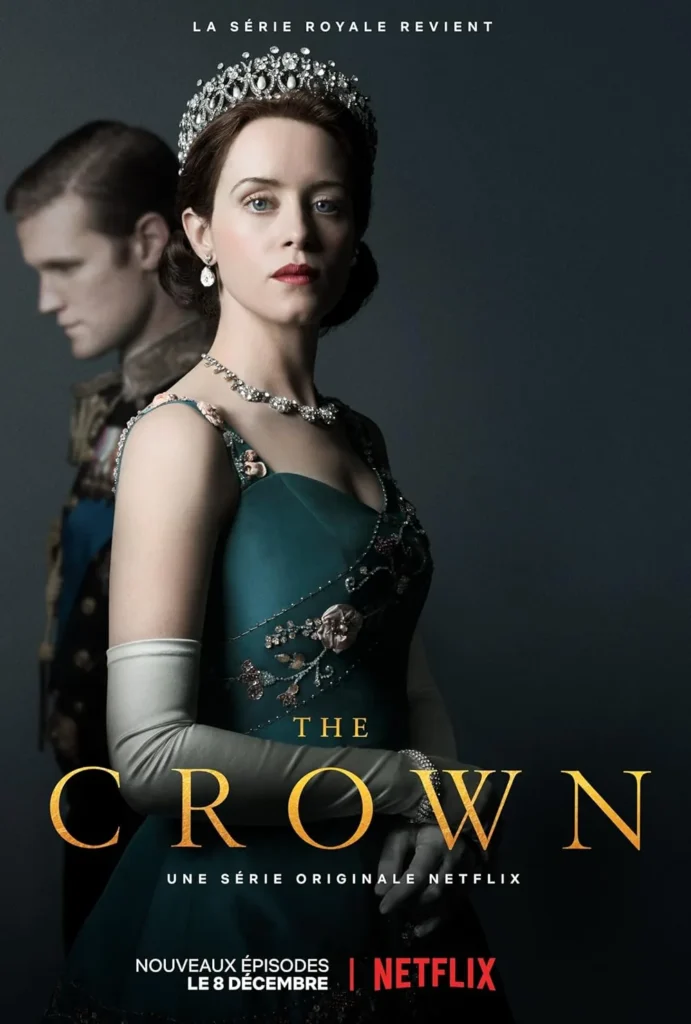
Over six seasons, Peter Morgan’s dramatization of the British royal family from the postwar years to the early 2000s became one of the most lavish and thoughtful historical dramas in television history. Each of the three major casts that portrayed the Windsors through different decades brought something specific and irreplaceable to the material.
Claire Foy as the young Queen Elizabeth is perhaps the defining performance of the series, though Olivia Colman’s middle-period portrayal won her an Emmy and demonstrated the full range of what the role required. The show’s genius was in treating a family that the world considers symbols as actual human beings with contradictions and failures.
Whether entirely accurate is a separate question. Whether it is compelling television is not.
16. Black Mirror (Seasons 1–4)
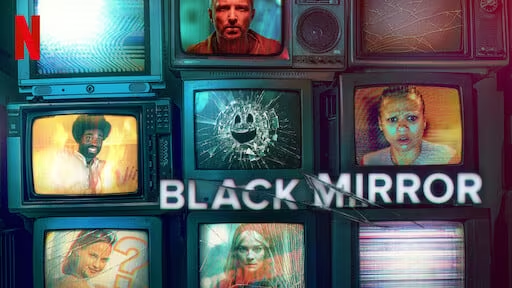
Charlie Brooker’s anthology series, a collection of standalone episodes imagining the dystopian possibilities of near-future technology, produced some of the most genuinely unsettling hours in the history of binge-worthy TV.
“San Junipero,” which is not unsettling at all but is one of the most beautiful love stories the medium has told, won a BAFTA and an Emmy. “White Bear” is a moral horror story so tightly constructed it feels like a trap. “The Entire History of You” is about jealousy and surveillance and has probably destroyed several relationships.
Netflix acquired the show after season two and significantly expanded its production scope. The results were mixed, with some exceptional episodes and some that felt like the concept was running thin. The first four seasons represent the series at its sharpest.
17. Oz (1997–2003)
Tom Fontana’s HBO prison drama predates “The Sopranos” and deserves more credit than it typically receives as a foundational text of the prestige television era.
Set inside a maximum-security prison’s experimental unit, “Oz” was relentlessly dark, frequently brutal, and morally complex in ways that were genuinely unusual for late-nineties television.
The show made a generation of actors: Edie Falco, Dean Winters, Lee Tergesen, and J. K. Simmons in a role that should have won him every award available. It was not always consistent, and some of its storytelling choices were deliberately provocative to the point of alienating. But it broke ground that later shows benefited from enormously.
18. Mindhunter (2017–2019)
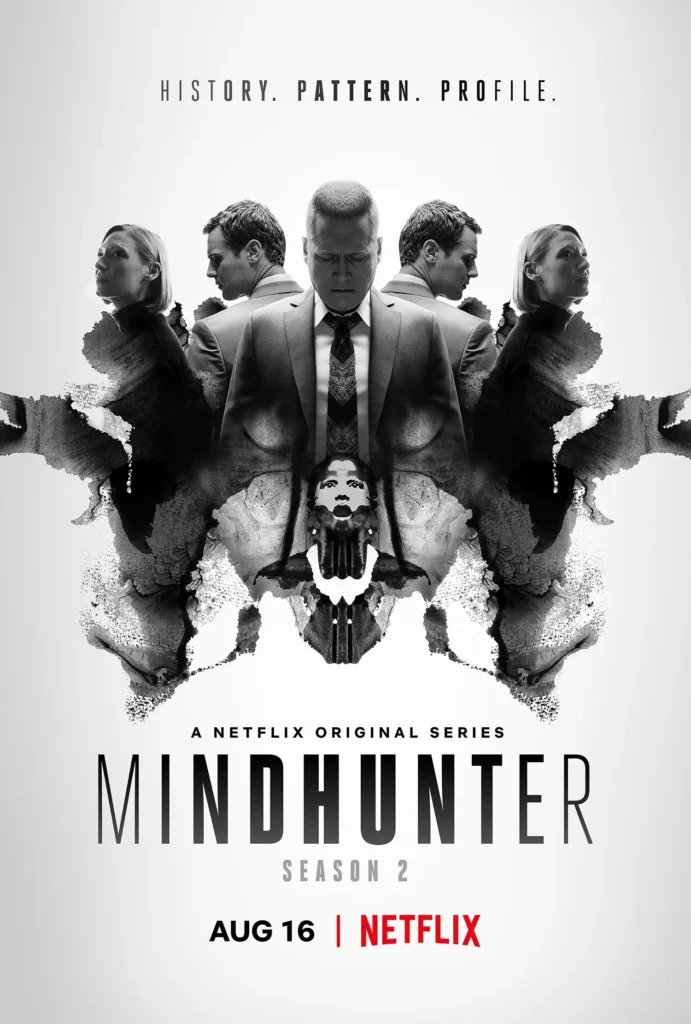
David Fincher’s Netflix procedural about the FBI agents who invented criminal profiling in the late 1970s is, shot-for-shot, some of the most visually controlled television ever made. Fincher directed four episodes himself and maintained a visual language across the whole production that gives even ordinary conversations the texture of something ominous.
Jonathan Groff plays Holden Ford, a young agent whose intellectual fascination with serial killers begins to erode his own psychological stability. Holt McCallany plays his partner, a grounding force who gradually loses his grip on the ground. The interviews with convicted killers, particularly Cameron Britton’s astonishing portrayal of Ed Kemper, are among the most memorable in the history of crime drama.
Netflix cancelled it without a formal announcement, leaving the story unfinished. That remains one of streaming television’s great injustices.
19. Six Feet Under (2001–2005)
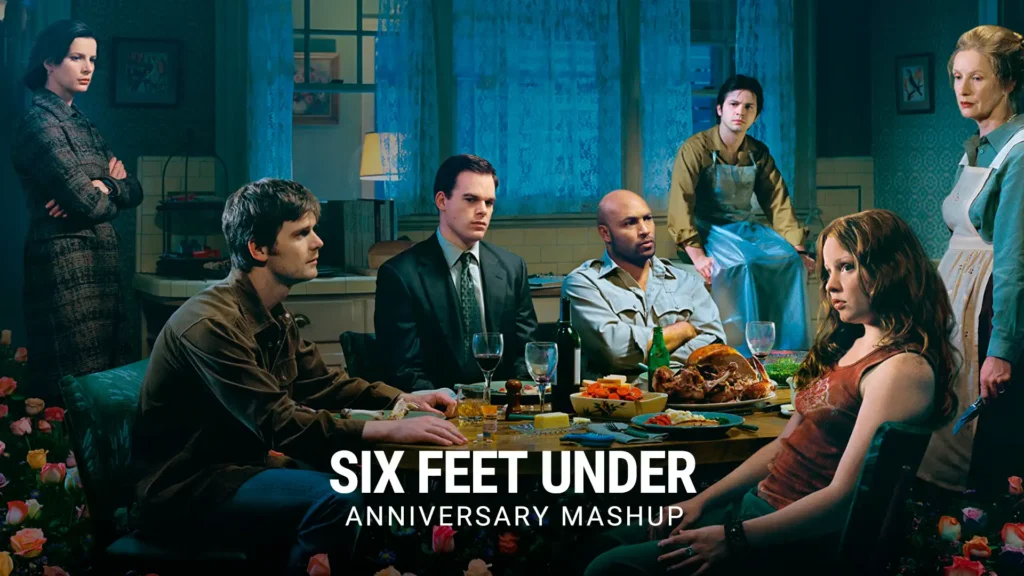
Alan Ball’s HBO drama about a family-run funeral home in Los Angeles remains one of the most emotionally complete television series ever produced. Every episode began with a death, a stranger’s death, and explored how the living carry the weight of mortality while pretending otherwise.
Peter Krause and Michael C. Hall play the Fisher brothers, men so constrained by family expectation and emotional repression that watching them try to connect with other human beings is sometimes physically painful. Frances Conroy’s Ruth Fisher is a masterpiece of quiet, compressed grief.
The series finale, the final five minutes specifically, is the most devastating and cathartic ending in the history of American television. Several people I know could not watch it twice because it broke something in them. That is a recommendation.
20. The Bear (2022–present)
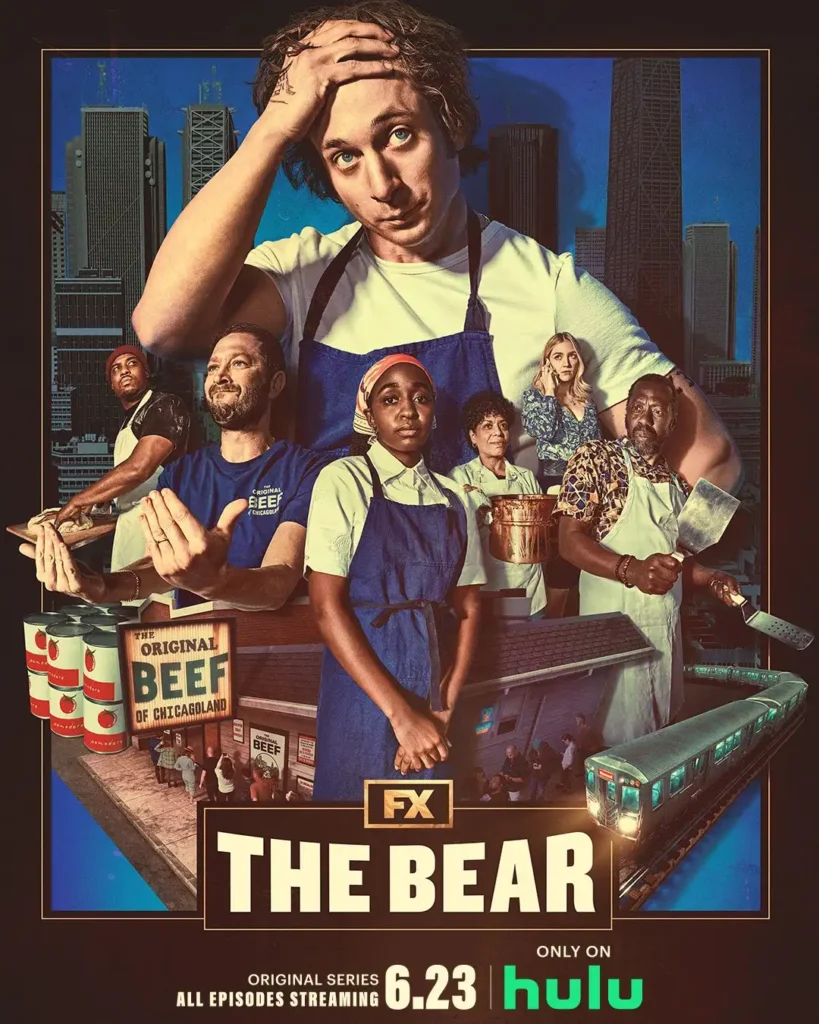
Every generation gets a few shows that define what television can do at that specific cultural moment. “The Bear,” Christopher Storer’s drama about a fine-dining chef who inherits his dead brother’s chaotic Chicago beef sandwich shop, is the show for the present decade.
The pilot alone, a real-time depiction of a restaurant lunch service in full collapse, is one of the most technically accomplished single episodes in the history of the medium. Jeremy Allen White plays Carmen “Carmy” Berzatto with a coiled intensity that feels deeply specific: a perfectionist genius in an environment that resists perfection, a grieving person who has no idea how to grieve, a man whose talent is also the thing most likely to destroy him.
Season two’s seventh episode, “Fishes,” a holiday flashback featuring an extraordinary cast including Jamie Lee Curtis and Bob Odenkirk, won a pile of awards and prompted a genuine conversation about whether a single hour of television could qualify as the best thing the medium had produced in years. The answer, for many critics, was yes.
What All These Shows Have in Common
Looking at this collection, something becomes clear. The best drama series in television history share a few qualities that have nothing to do with budget, platform, or the number of Emmy nominations.
They all take their characters seriously. Not sympathetically, necessarily, but seriously. Tony Soprano is a monster, and the show never forgets it, but it never reduces him either. The Roys of “Succession” are grotesque, and the show never lets them off the hook, but it also never stops finding them human.
They all trust their audiences. The wire does not explain its institutional critique. “Twin Peaks: The Return” does not explain its imagery. “Arrested Development” does not pause to let you catch the joke. They proceed at their own pace and assume you will keep up.
And they all understand that great television is not about what happens. It is about who it happens to, and why we keep watching.
A Word About What Did Not Make the List
Leaving shows off a list like this is its own form of critical statement. “The Americans” very nearly made it. So did “Deadwood,” “Halt and Catch Fire,” “Atlanta,” “Rectify,” “BoJack Horseman,” and the first two seasons of “True Detective.” If you have already worked through the twenty above and are looking for more, any of those would serve you well.
Television, in its golden age and beyond, has produced more genuinely great work than any single viewer can absorb in a lifetime. That is not a problem. It is an embarrassment of riches, and the right response is to start somewhere and go slowly.
Pick one show from this list that you have not seen. Give it three episodes. If it has not done something to you by then, try another.
One of them will get you.