Harry Potter Cast: Actors Who Have Died Over the Years
From Richard Harris and Alan Rickman to Maggie Smith and Simon Fisher-Becker, the wizarding world has lost some of Britain's greatest actors. Here is the full tribute they deserve.
There is a particular kind of grief that greets fans of long-running film franchises, a slow accumulation of loss that arrives not all at once, but in quiet dispatches over years.
For the tens of millions of people who grew up with the Harry Potter film series, from the wide-eyed wonder of The Sorcerer’s Stone in 2001 to the bittersweet finale of The Deathly Hallows Part 2 in 2011, that grief has arrived with increasing frequency.
Trending Now!!:
The wizarding world was built not just by J.K. Rowling’s words, but by a constellation of some of Britain’s finest actors, many of them carrying decades of stage and screen experience into Hogwarts. One by one, those lights have gone out.
More than two dozen actors from the Harry Potter film franchise have died since production began, with the most recent loss occurring as recently as March 2025. Some were titans of the British acting establishment, household names who had already conquered theatre, film, and television before a wand was ever placed in their hands.
Others were character actors whose faces fans would know even if their names never made a marquee. All of them shaped the look and feel of a story that will outlive them by generations.
This piece is an attempt to honor that full roster properly, not with a listicle, but with the weight and context each of these careers deserves.
Richard Harris and Michael Gambon
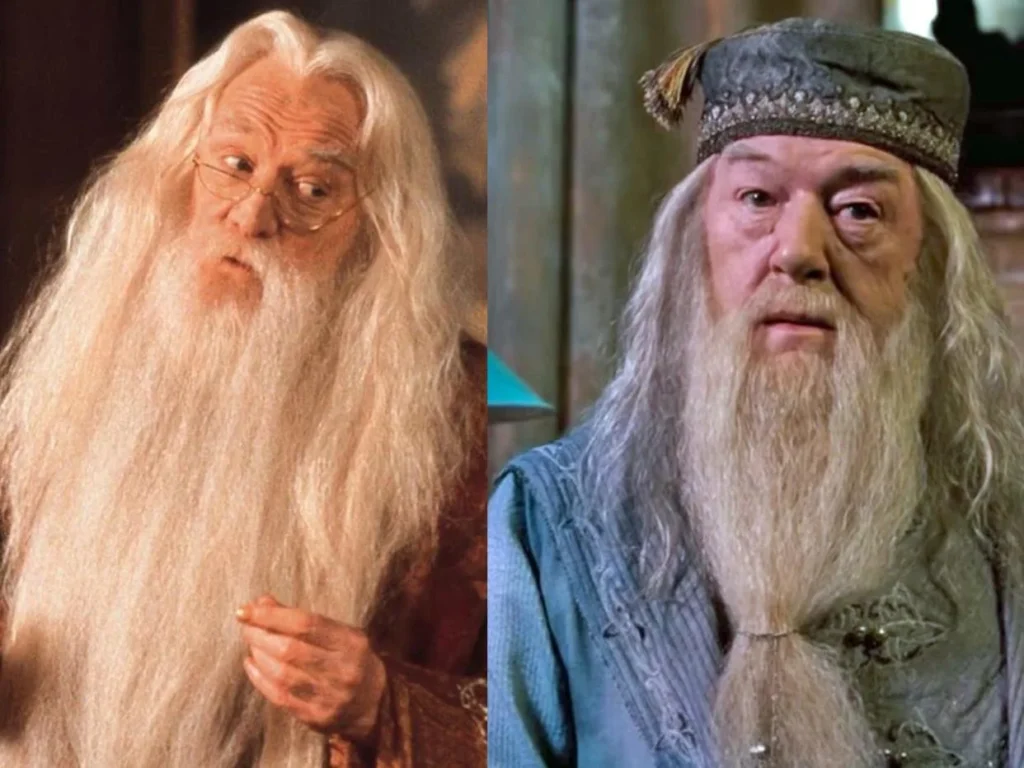
No losses cut deeper into the heart of the Harry Potter cast than those of the two men who played Albus Dumbledore, the greatest wizard in the world and the moral compass of the entire saga.
Richard Harris, the Irish actor who originated the role, died on October 25, 2002, at the age of 72, from Hodgkin’s lymphoma. His death came at the age of 72 after a battle with Hodgkin’s disease. He had been diagnosed only months before and did not live to see Chamber of Secrets released theatrically, though it would become one of his final screen appearances.
Harris brought something irreplaceable to the role: a kind of ancient, weathered gentleness that came from a man who had actually lived a monumental life. He was the hard-drinking literary brawler who had befriended writers and poets and survived enough personal chaos to understand what wisdom actually cost. When he sat across from a young Daniel Radcliffe and let his eyes do most of the talking, it felt completely real, because in many ways it was.
The legendary British actor starred as headmaster Albus Dumbledore in the first two Harry Potter films, and was replaced in the role by Michael Gambon from The Prisoner of Azkaban onwards.
Michael Gambon, who inherited arguably the most difficult recast in franchise history, brought his own formidable gifts to the role, a bigger physicality, a quicker anger, and an urgency that served the darker later films well. Michael, who took over from Richard Harris in the role of Dumbledore following the latter’s death in 2002, died on 27 September 2023.
A statement from Lady Gambon and son Fergus Gambon read: “We are devastated to announce the loss of Sir Michael Gambon. Beloved husband and father, Michael died peacefully in hospital with his wife Anne Gambon and son Fergus Gambon at his bedside, following a bout of pneumonia.” He was 82 years old. Irish actor Michael Gambon, known for his portrayal of Professor Dumbledore in the Harry Potter franchise, died of complications from pneumonia.
The coincidence of timing is almost eerie: Maggie Smith’s passing came exactly a year after Michael Gambon, the second actor to portray Professor Albus Dumbledore.
Dame Maggie Smith
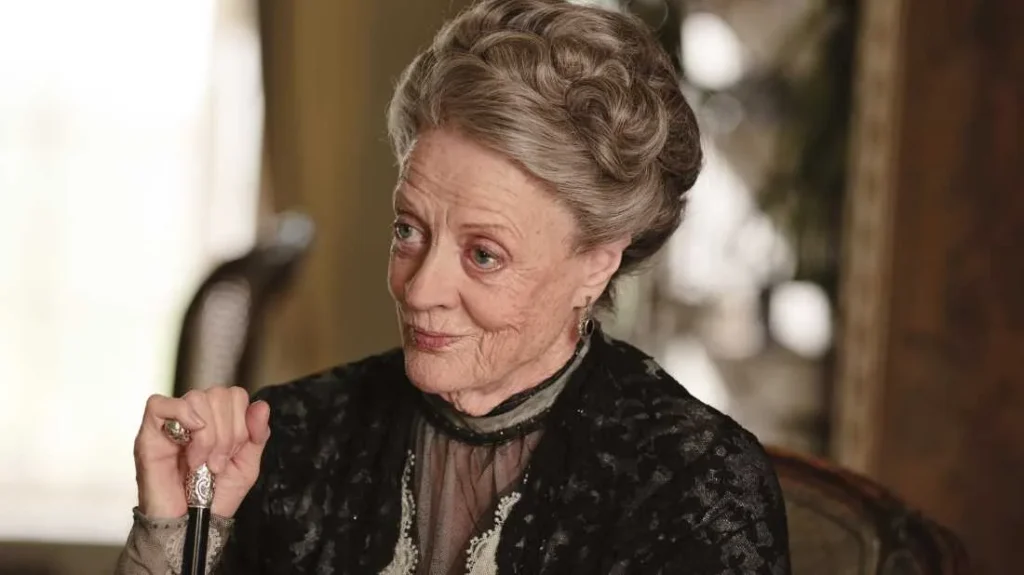
If there was any single actor who represented the soul of the Harry Potter franchise’s remarkable British casting, it was Dame Maggie Smith.
As Professor Minerva McGonagall, the Deputy Headmistress of Hogwarts, Deputy Headmistress of Gryffindor House, and the most reliably principled adult in the entire story, Smith brought two Academy Awards, five BAFTA wins, and six decades of stage experience into every scene she occupied.
Smith died at the Chelsea and Westminster Hospital in London, on 27 September 2024, at the age of 89. King Charles III released a statement: “As the curtain comes down on a national treasure, we join all those around the world in remembering with the fondest admiration and affection her many great performances, and her warmth and wit that shone through both on and off the stage.”
Smith’s sons, Chris Larkin and Toby Stephens, paid tribute to their mother in a joint statement: “It is with great sadness we have to announce the death of Dame Maggie Smith. She passed away peacefully in the hospital early this morning. She was with friends and family at the end. She leaves two sons and five loving grandchildren who are devastated by the loss of their extraordinary mother and grandmother.”
Most notably, Smith starred in all eight Harry Potter movies as Professor Minerva McGonagall, a role she continued to play even while undergoing chemotherapy for breast cancer in 2007. “I was hairless,” she told The Times in 2009 of working throughout her cancer treatments. “I had no problem getting the wig on. I was like a boiled egg.”
What the tributes and obituaries could not fully capture was the way Smith mentored a generation of young British actors on those sets. Many actors and actresses spoke on their social media platforms after hearing of Smith’s passing. Daniel Radcliffe wrote about how he met Smith on the set of his first job, David Copperfield, before he played the role of Harry Potter.
Radcliffe released a statement reading, in part: “I will always consider myself amazingly lucky to have been able to work with her. The word legend is overused, but if it applies to anyone in our industry, then it applies to her.”
When the British newspaper The Telegraph asked Smith why she took the role, she quipped: “Harry Potter is my pension.” That wry deflection was classic Smith, using wit to keep sentiment at arm’s length. Those who worked with her knew the warmth underneath.
Alan Rickman
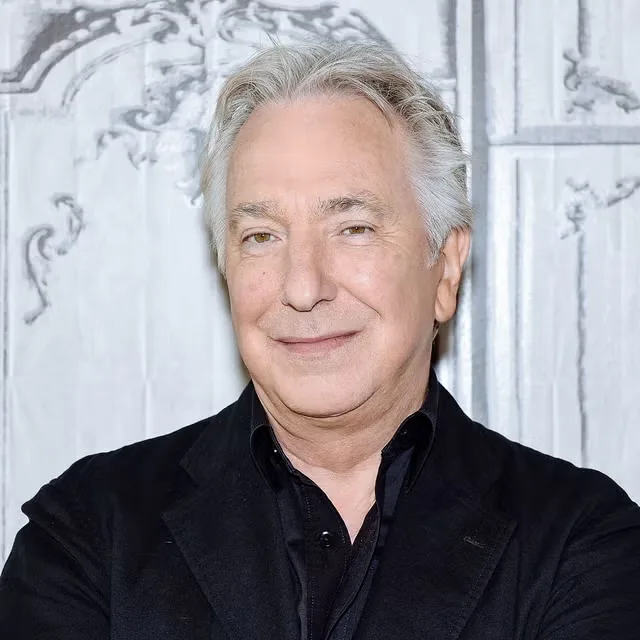
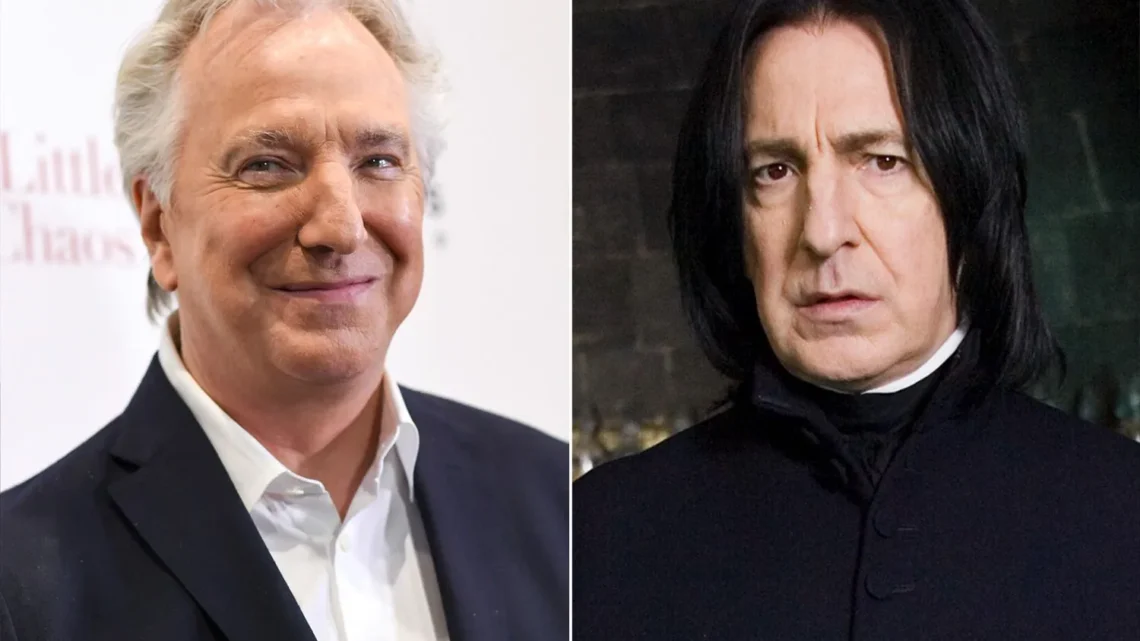
Of all the casting decisions in the Harry Potter series, none proved more consequential than placing Alan Rickman in the role of Professor Severus Snape. Rickman died of pancreatic cancer on January 14, 2016, at the age of 69.
In August 2015, Rickman had a minor stroke, which led to a diagnosis of pancreatic cancer. His passing sent a particular kind of shockwave through the fandom, partly because he had known Snape’s full arc, including the character’s redemptive reveal in the final film, from the very beginning.
J.K. Rowling had told him early on, trusting him with the secret so he could play the complexity with full knowledge. The result was a performance layered with misdirection, grief, and hidden devotion that still rewards rewatching.
In 2001, Rickman introduced himself to a whole new, younger generation of fans by taking on the role of Severus Snape in the film versions of J.K. Rowling’s Harry Potter and the Sorcerer’s Stone. He continued to play the role through the eighth and last movie, Harry Potter and the Deathly Hallows: Part 2.
Those who covered his career closely knew that Rickman was perpetually undervalued by awards bodies, partly because his precision made everything look effortless. The line delivery he was famous for, that controlled, velvet-over-gravel drawl, was the product of genuine technique, not affectation. Snape brought out the best of him, or perhaps more accurately, gave him the space to show what he had always been capable of.
Robbie Coltrane
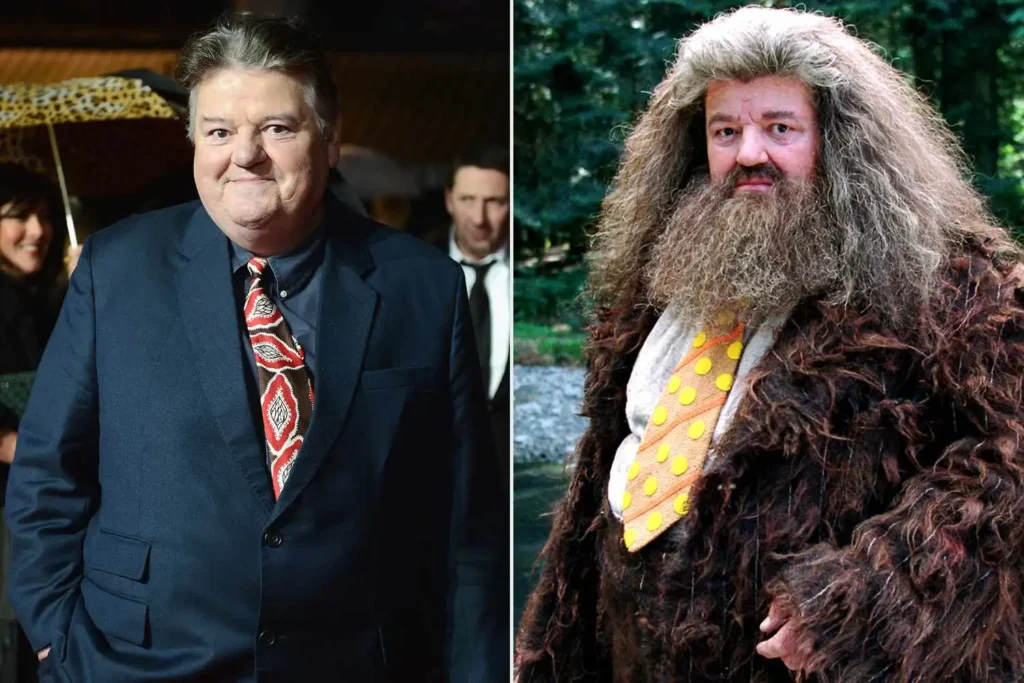
Robbie Coltrane was, for the majority of Harry Potter fans who grew up with the films in the 2000s, the first magical person Harry Potter ever met. As Rubeus Hagrid, the half-giant groundskeeper with an inexhaustible capacity for warmth and an alarming enthusiasm for dangerous creatures, Coltrane gave the franchise a beating emotional heart.
Coltrane died at Forth Valley Royal Hospital in Larbert, Scotland, from multiple organ failure complicated by sepsis, a lower respiratory tract infection, and heart block. The Scottish actor died in 2022 at the age of 72.
Harry Potter’s leading actor, Daniel Radcliffe, said: “Robbie was one of the funniest people I’ve met and used to keep us laughing constantly as kids on the set. I have especially fond memories of him keeping our spirits up on Prisoner of Azkaban, when we were all hiding from the torrential rain for hours in Hagrid’s hut, and he was telling stories and cracking jokes to keep morale up.”
The on-set dynamic Radcliffe described matters because it illuminates how Coltrane’s true personality shaped the character. Hagrid’s warmth was not manufactured. It was drawn from a performer who genuinely seemed to fill every room he entered.
Helen McCrory
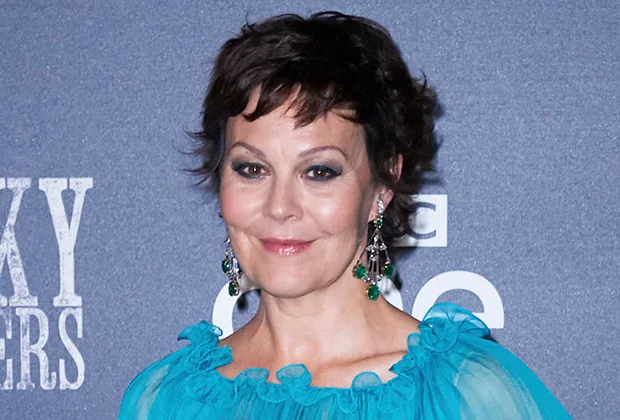
The death of Helen McCrory in April 2021 felt particularly cruel. She was 52 years old, at what seemed like the absolute peak of her powers, and she had done it so quietly, declining to make her cancer diagnosis public, so that the announcement of her passing came as a shock even to many colleagues.
McCrory died from breast cancer. Announcing the death on Twitter, her husband Damian Lewis stated that she had died “peacefully at home, surrounded by a wave of love from friends and family.” McCrory played Narcissa Malfoy, the icy, protective matriarch who makes one of the series’ most pivotal moral choices in the final film, lying to Voldemort’s face to save her son. It is a small moment with enormous consequences, and McCrory played it with terrifying stillness.
Her death prompted an unusual outpouring from colleagues, even by the standards of celebrity tributes, because the emotions behind them felt genuinely sincere. Everyone who knew her said the same thing: that she was extraordinary in ways that exceeded any role she ever played.
Richard Griffiths
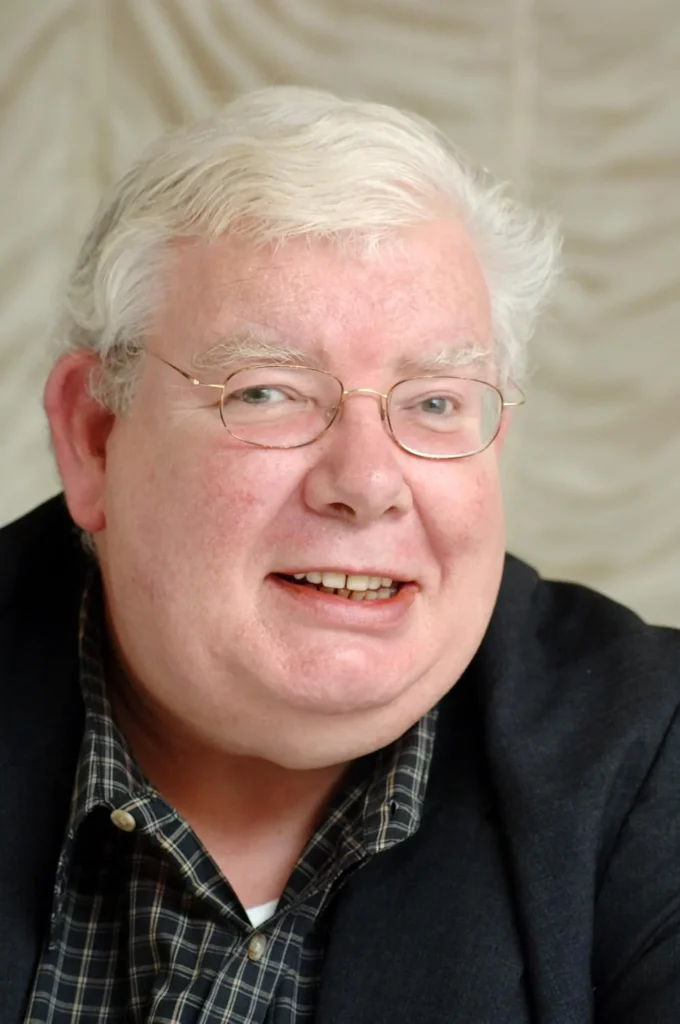
Richard Griffiths, who played the blustering, put-upon Vernon Dursley with undisguised relish across several films, died on March 28, 2013, after complications from heart surgery. Griffiths starred as Harry’s uncle Vernon Dursley. He died at the age of 65 in 2013 following complications after surgery.
Vernon Dursley could easily have been a one-note caricature, a cartoonish antagonist there to be despised. Griffiths found something more layered in the role, a man genuinely terrified by things he did not understand, whose cruelty was the product of profound smallness rather than any real malevolence. That reading made the character human in ways the films needed.
Outside the wizarding world, Griffiths was best known for The History Boys, Alan Bennett’s celebrated play and film, in which he played the unconventional teacher Hector with tremendous complexity. His death at 65 felt far too soon.
John Hurt
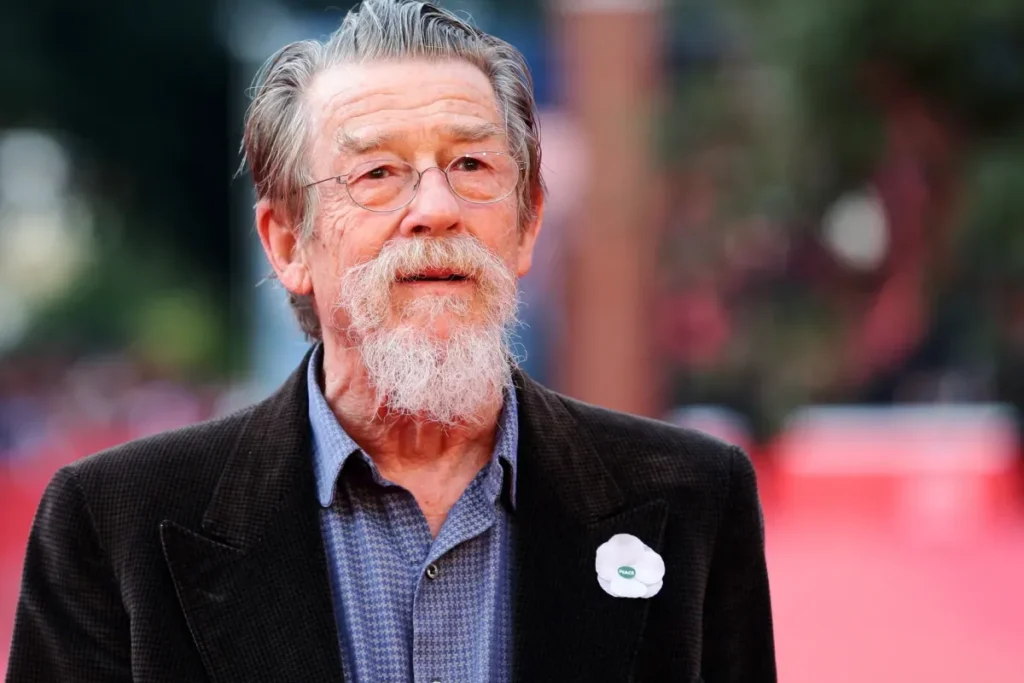
John Hurt, who played Garrick Ollivander, the soft-spoken wandmaker whose knowledge of the Dark Arts ran deeper than any Hogwarts teacher’s, died on January 25, 2017, aged 77.
Hurt had been treated for pancreatic cancer in 2015, and although it reportedly went into remission later that year, Hurt eventually died in 2017. Hurt portrayed the great wandmaker Garrick Ollivander in Harry Potter and the Sorcerer’s Stone and then again in Deathly Hallows, Part 1 and Part 2.
J.K. Rowling marked his passing with a direct tribute, writing that she was “so very sad to hear that the immensely talented and deeply beloved John Hurt has died.” Hurt was one of those actors who seemed to have done everything well, from The Elephant Man to Midnight Express, from Alien to 1984. In the context of Harry Potter, his Ollivander carried a lifetime of secret knowledge in his expressions, every pause freighted with things the audience was never quite told.
Robert Hardy
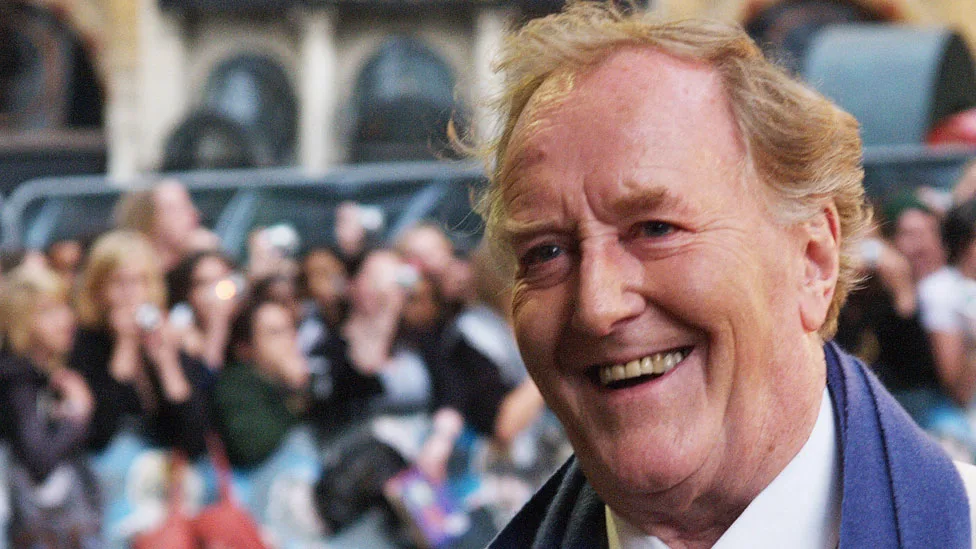
Robert Hardy, the distinguished British actor who played Cornelius Fudge, the obstructive Minister for Magic whose stubborn refusal to accept Voldemort’s return drives much of the middle section of the series, died on August 3, 2017. Hardy portrayed Minister for Magic Cornelius Fudge. He was 91 when he died in 2017.
Hardy was one of those actors whose careers were so long and varied, spanning television, theatre, and film across seven decades, that it would be a disservice to confine him to any single role.
He was awarded the CBE for services to acting. But for the generation that grew up with Harry Potter, Fudge will remain his most recognizable performance: a small man elevated beyond his abilities, desperately clinging to comfortable fictions.
Roger Lloyd-Pack
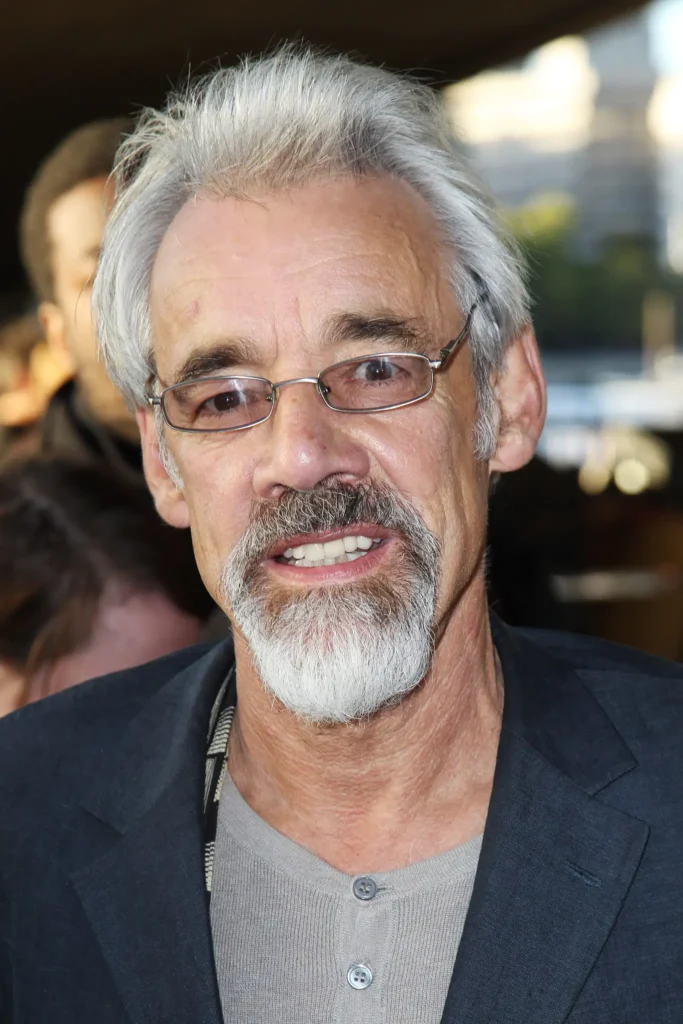
Roger Lloyd-Pack, who played the fastidious senior Ministry official Bartemius Crouch Sr. in Goblet of Fire, died in January 2014 from pancreatic cancer at the age of 69.
His was one of the quieter losses in the franchise’s long history, but his scenes in that film carry a particular chill, the portrait of a man who destroyed his own family in the name of the law and ultimately could not escape the consequences.
Lloyd-Pack came from acting royalty, the son of actor Charles Lloyd-Pack, and was most widely known in Britain for his role as the hapless Trigger in Only Fools and Horses. The contrast between that beloved comic role and the tragic gravity of Barty Crouch perfectly demonstrated his range.
Leslie Phillips
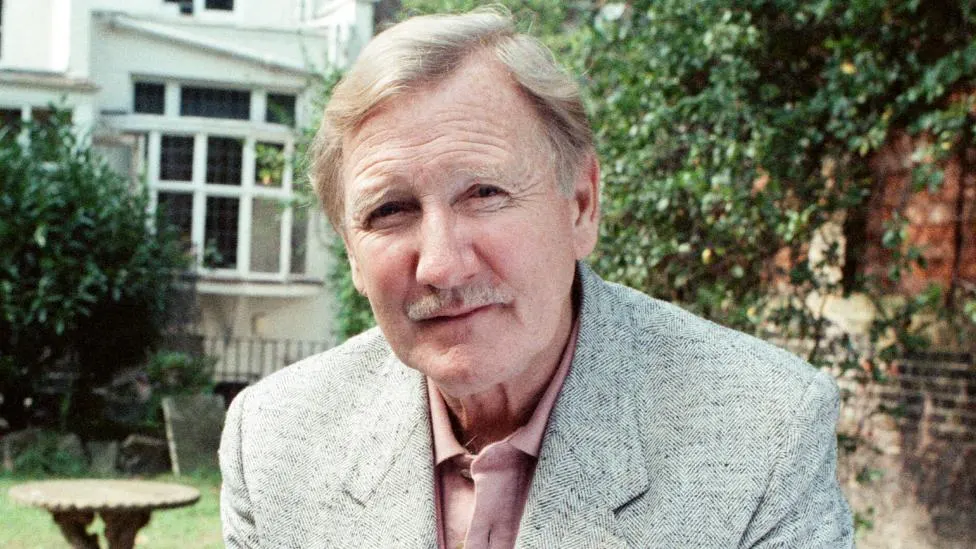
Leslie Phillips, the beloved British comic actor who provided the voice of the Sorting Hat across three of the Harry Potter films, died in November 2022 at the age of 98.
Leslie Phillips had died at the age of 98. The actor provided the voice of The Sorting Hat in the fantasy films, but he was also known for his many roles in other iconic titles, such as the Carry On comedy films. It was reported that after a long illness, Phillips died in his sleep at home in London.
Phillips represented a connection to a Britain that no longer quite existed, a world of Carry On films, BBC radio comedies, and a kind of gentlemanly wit that had gone largely out of fashion. His presence in Harry Potter, even as a voice, served as an implicit acknowledgment of the franchise’s roots in a specifically British comedic and dramatic tradition.
Eric Sykes
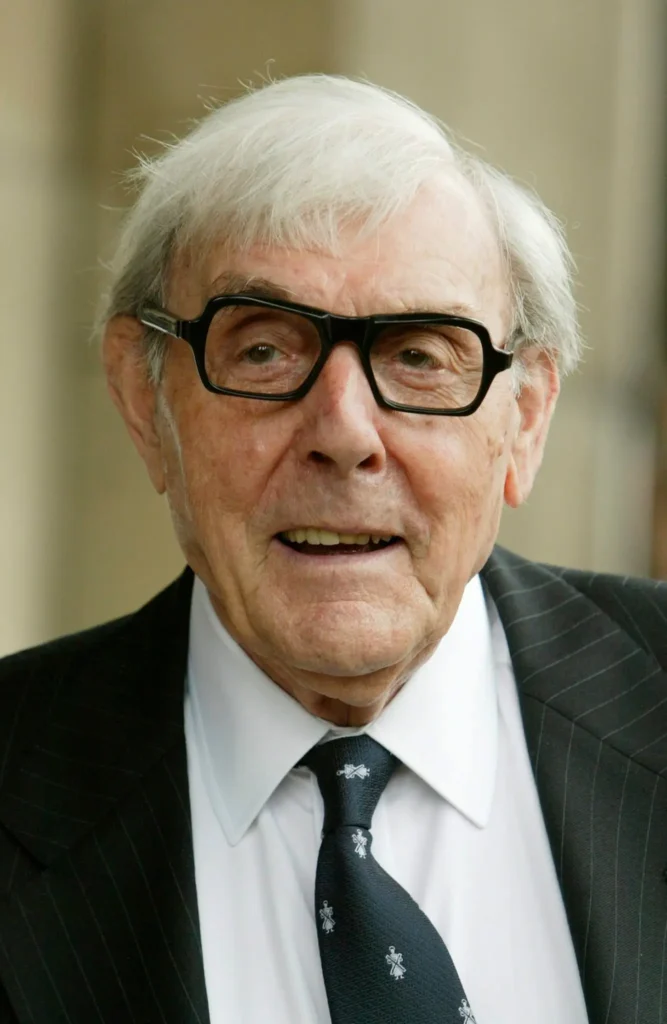
Eric Sykes, who played Frank Bryce, the Muggle gardener murdered by Voldemort in the chilling opening of Goblet of Fire, died on July 4, 2012, at the age of 89. The writer and stage actor played Frank Bryce in Harry Potter and the Goblet of Fire. He died in 2012 at the age of 89.
Sykes was a towering figure in British comedy, going back to the early days of television, but his scene in Goblet of Fire is entirely without laughs. He plays Frank as a gruff, suspicious, genuinely decent man who becomes the first victim the audience witnesses directly.
The scene establishes the tone for the entire film, and Sykes delivers it with the quiet authority of someone who has spent a career knowing exactly how much to give and when.
Dave Legeno
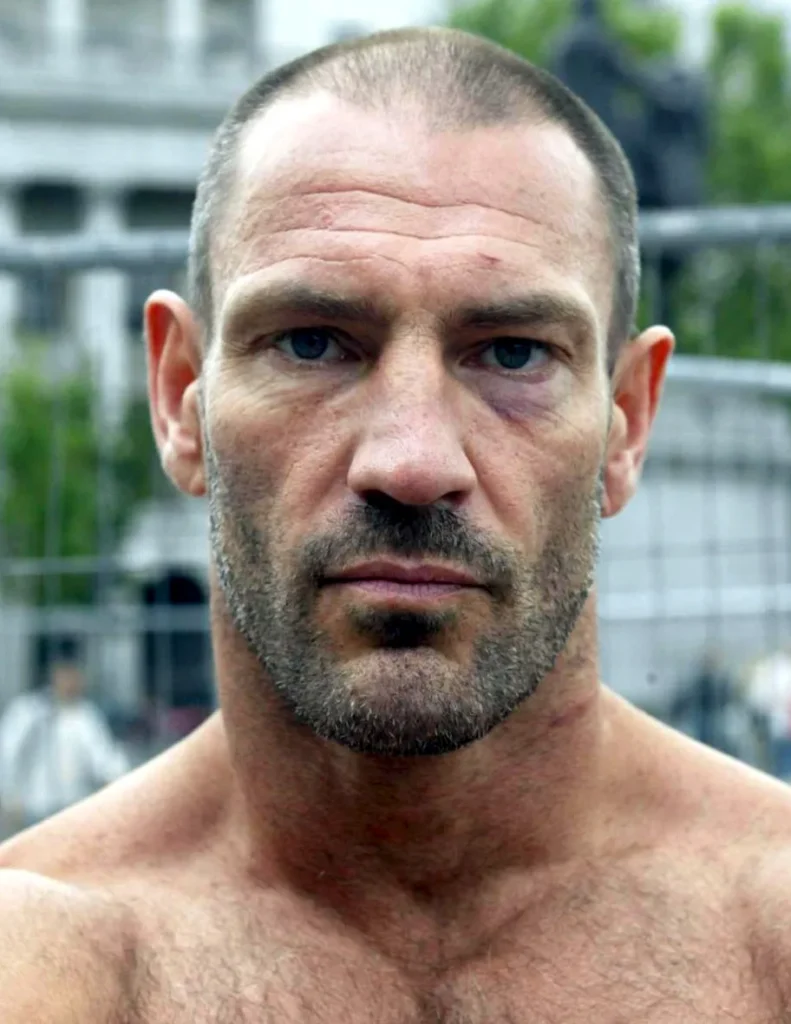
Dave Legeno, who played the predatory werewolf Fenrir Greyback across three films in the series, was found dead by hikers in Death Valley, California, in July 2014.
The actor and mixed martial artist who portrayed werewolf Fenrir Greyback was found dead in California’s Death Valley in November 2014. Legeno’s death at the age of 50 was determined to be caused by heatstroke.
Legeno was a former cage fighter turned actor, and he brought physical credibility to a role that required genuine menace. His Greyback was one of the more genuinely disturbing presences in the later films, a character whose horror existed not in special effects but in the way he moved and looked at people.
Paul Ritter
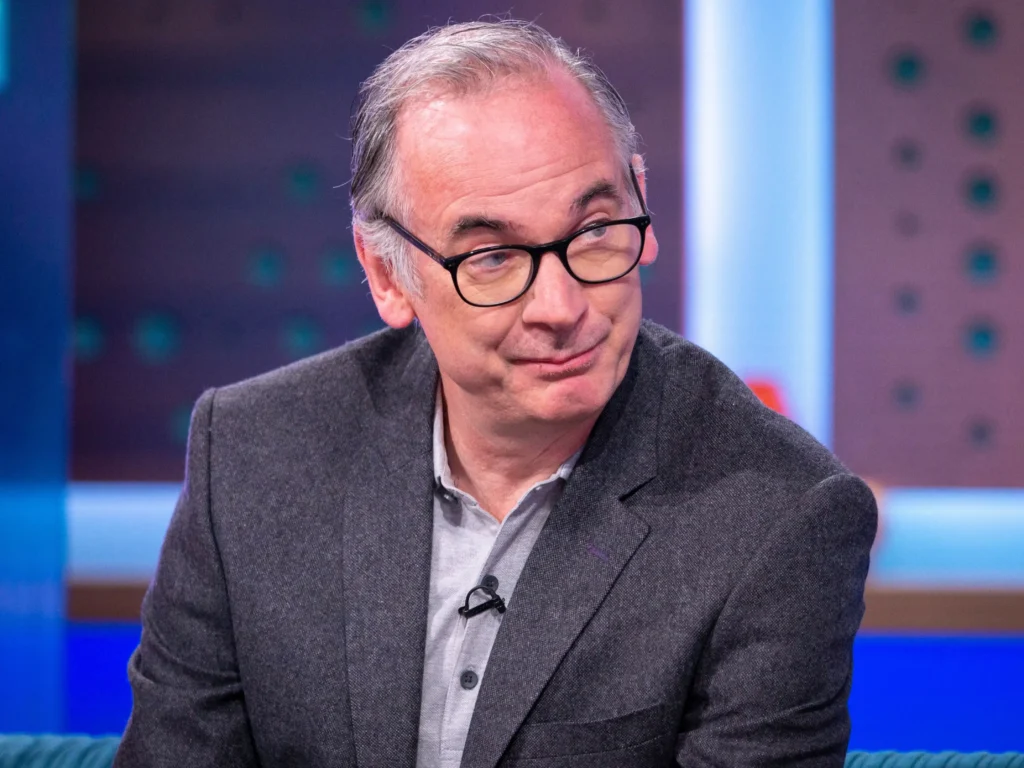
Paul Ritter, who played Eldred Worple in Harry Potter and the Half-Blood Prince, died in April 2021 at the age of 54 from a brain tumor.
Paul Ritter played Eldred Worple in Harry Potter and the Half-Blood Prince but was also known for his roles in shows like Friday Night Dinner and Chernobyl. The actor died of a brain tumour in April 2021, aged 54.
Ritter’s death hit British television audiences hard because he had been experiencing something of a career renaissance, with his work in the critically acclaimed miniseries Chernobyl bringing him new international recognition. His was among the most untimely departures in the franchise’s history.
Rob Knox
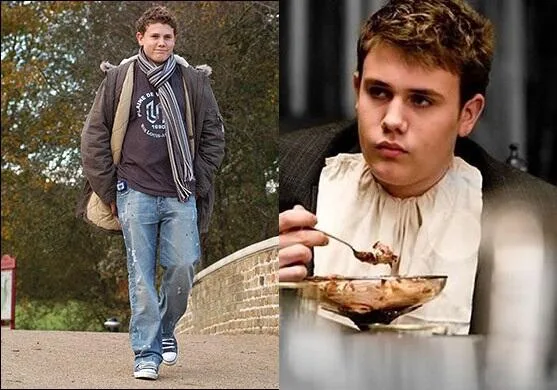
Perhaps no story in the Harry Potter cast’s long history is as tragic as that of Rob Knox, who played Marcus Belby in Harry Potter and the Half-Blood Prince. Knox was stabbed to death in London after attempting to protect his younger brother during a barroom brawl, according to the Guardian.
A man named Karl Bishop was later convicted and found guilty of Knox’s murder. Harry Potter and the Half-Blood Prince was released posthumously with Knox’s performance. He was 18 years old.
Knox was killed in May 2008, just weeks after completing his scenes for the film. His death, and the subsequent release of his performance, turned what should have been a career-launching role into something far more complicated and poignant. In January 2023, ITV confirmed they are working on a documentary about the tragic murder of Rob Knox, who had a role in the sixth film.
Simon Fisher-Becker
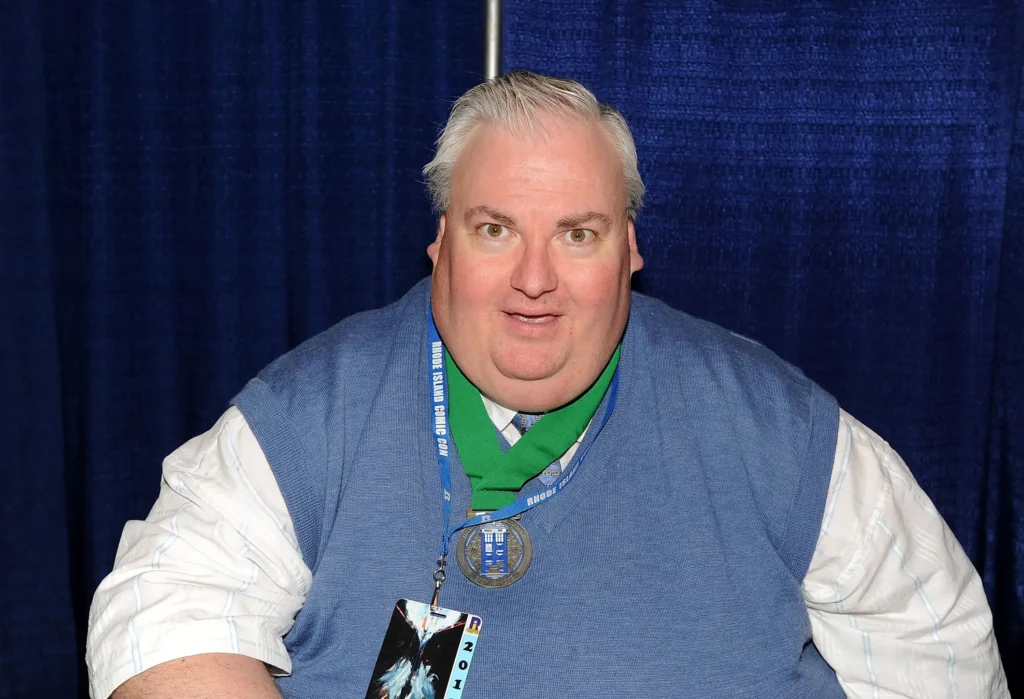
The most recent loss to the Harry Potter family, and the one that brings this chronicle as close to the present day as any, is that of Simon Fisher-Becker, who died on March 9, 2025, at the age of 63.
Fisher-Becker played the Fat Friar, the jovial Hufflepuff ghost who welcomes first-year students in Harry Potter and the Sorcerer’s Stone, a role small in screen time but instantly recognizable to fans who have rewatched the films. His death was announced by his husband on Facebook in a brief and heartbreaking post: “I have some very sad news. At 2:50 this afternoon, Simon passed away. I’m not sure at this point if I’ll be posting again. Thank you.” No cause of death was publicly revealed.
Fisher-Becker’s story carries a particular texture that the internet tributes never quite captured. He had spoken openly in interviews about what it meant to be on that set in 2000, chauffeured around, sworn to secrecy, genuinely awed by the scale of what was being assembled.
“I consider myself very lucky to have worked on Harry Potter. It was a brilliant experience,” he said, adding, with the dry humor of a character actor who had learned not to take anything personally, that it was disappointing that most of what he filmed ended up cut from the picture.
Outside the wizarding world, Fisher-Becker built a devoted following through his recurring role as Dorium Maldovar in Doctor Who, and worked steadily across British theatre and television for decades. He was 63, which, measured against any reasonable expectation for a man of his energy and talent, was far too young.
The full accounting of the Harry Potter cast’s losses extends well beyond the headline names. Each of the actors below brought something specific and unrepeatable to the films, whether in a single scene or across several appearances. They deserve to be named and remembered individually, not tucked into a footnote.
Elizabeth Spriggs
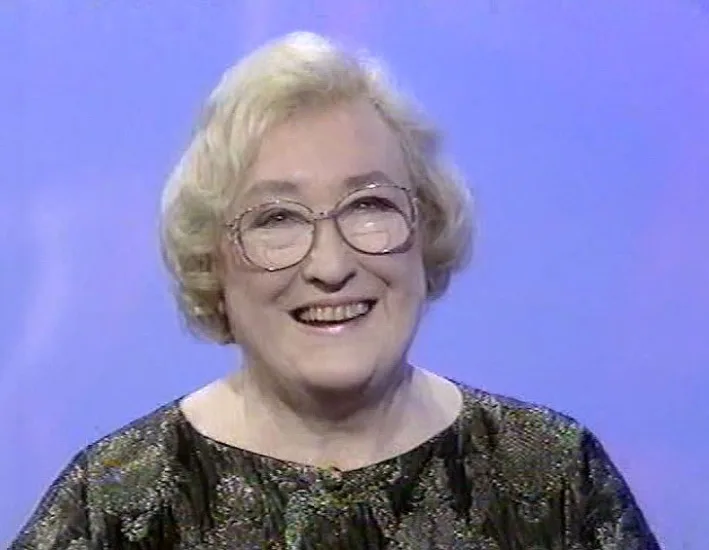
Elizabeth Spriggs played the Fat Lady, the singing portrait who guards the entrance to the Gryffindor common room in Harry Potter and the Sorcerer’s Stone, and she brought to that brief role a career that would have filled a wall of its own.
She had spent decades with the Royal Shakespeare Company under Peter Hall, playing Gertrude opposite David Warner‘s Hamlet, Beatrice in Much Ado About Nothing, and the Nurse in Romeo and Juliet. She won the Olivier Award for Best Supporting Actress in 1978 for Arnold Wesker‘s Love Letters on Blue Paper, and received a BAFTA nomination for her Mrs. Jennings in Emma Thompson‘s Sense and Sensibility in 1995, where she shared scenes with no fewer than five other actors who would later appear in the Harry Potter series.
Spriggs died on July 2, 2008, in Oxford, at the age of 78, from complications following surgery. She was replaced in Prisoner of Azkaban by Dawn French, a recast that passed with far less fanfare than the Dumbledore change, though it represented the loss of a genuinely formidable theatrical presence.
Her funeral at Saint Mary the Virgin in Thame was attended by Jeremy Irons, Robert Hardy, and Peter Vaughan, among others, which says everything about the esteem in which she was held.
Rik Mayall
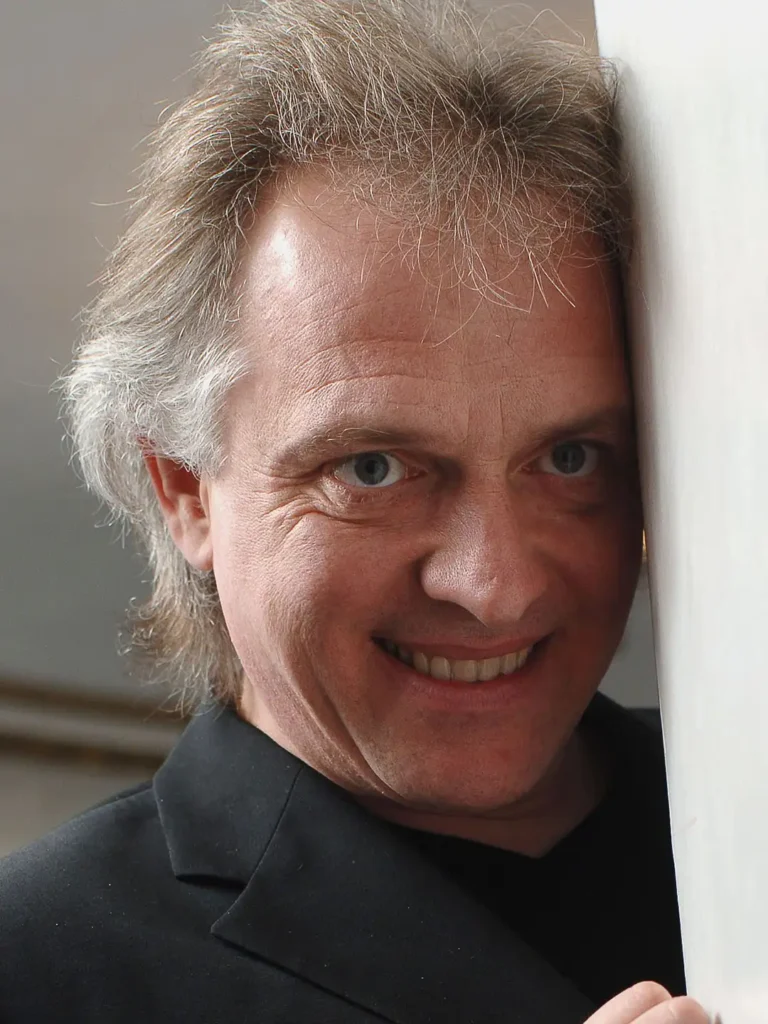
The story of Rik Mayall and the Harry Potter franchise is one of British comedy’s great what-ifs. Mayall, the anarchic comedian best known for The Young Ones, Bottom, and Blackadder, was cast as Peeves the Poltergeist for Sorcerer’s Stone and spent three weeks filming on set.
His scenes were cut entirely in post-production, with director Chris Columbus and producer David Heyman citing dissatisfaction with the character’s design. Columbus later called the decision one of his biggest regrets and campaigned for Warner Bros. to release a director’s cut including Mayall‘s footage for the film’s twentieth anniversary in 2021.
The footage has never been publicly released. Mayall himself was typically unsparing when asked about the experience, admitting that the child actors on set could not stop laughing whenever he performed, and calling the finished film, with characteristic directness, a “crap film.”
He died on June 9, 2014, from a sudden heart attack at the age of 56. A petition calling on Warner Bros. to release his Peeves footage gathered thousands of signatures in the days that followed. As of March 2026, the footage remains in a vault somewhere, unseen.
Peter Cartwright
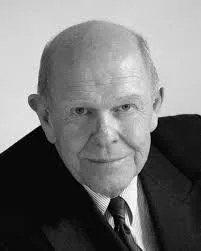
Peter Cartwright played Elphias Doge, the elderly member of the Order of the Phoenix who helps escort Harry Potter to Grimmauld Place in Order of the Phoenix. It was a small role in a film full of small roles, performed by actors of enormous experience, which is itself worth pausing on.
Cartwright was born in Krugersdorp, South Africa, studied at RADA after arriving in Britain in 1959, and built a career across hundreds of television, film, radio, and theatre appearances over five decades.
His credits included Gandhi, Rumpole of the Bailey, Yes Prime Minister, and The Vicar of Dibley. He died on November 18, 2013, in Hammersmith, London, from cancer, at the age of 78. His role was recast for Deathly Hallows Part 1 because he was no longer able to continue, and was given to David Ryall.
David Ryall
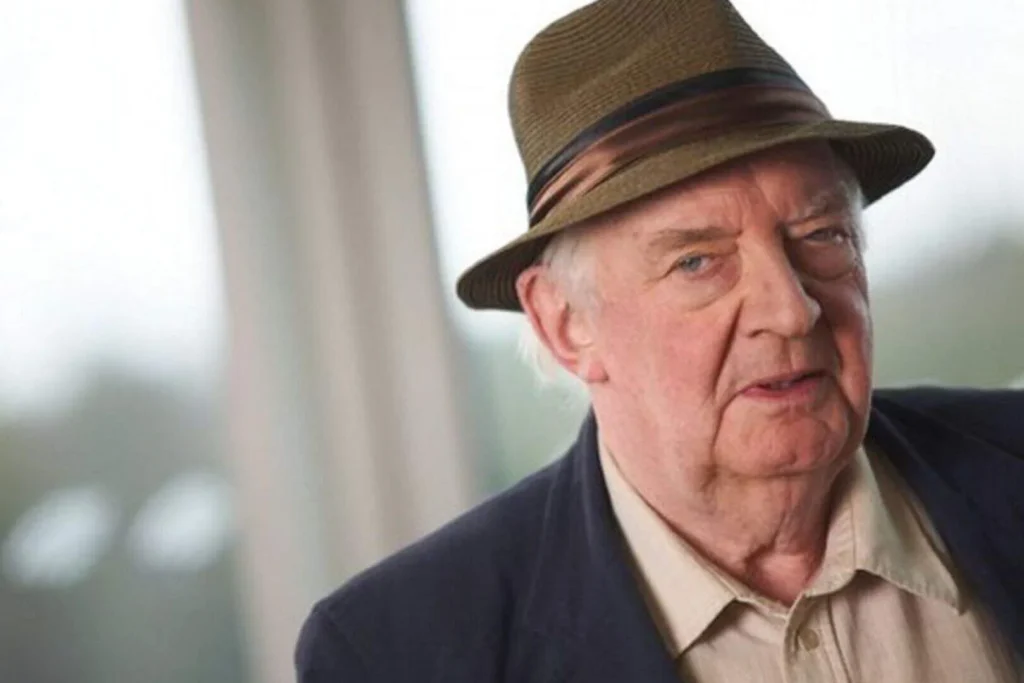
David Ryall stepped into the role of Elphias Doge for Harry Potter and the Deathly Hallows Part 1, inheriting it from Peter Cartwright.
He had one of those long and quietly distinguished British careers that accumulate credits like rings on a tree, with notable work in Around the World in 80 Days, City of Ember, and Automata, alongside decades of stage and television work.
The particular poignancy of his appearance in the franchise is that both men who played the same character died within roughly thirteen months of each other. Ryall died on Christmas Day, December 25, 2014, at the age of 79.
Derek Deadman
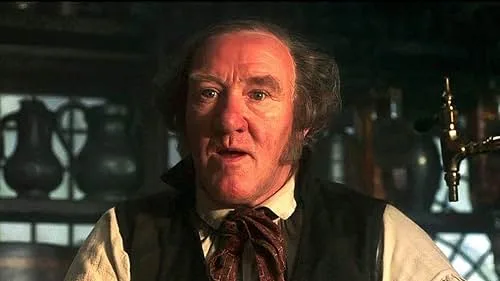
Derek Deadman played Tom, the landlord and barman of the Leaky Cauldron, in Harry Potter and the Sorcerer’s Stone, and his role is one of the first magical moments in the entire film series. When Hagrid walks Harry into the pub, and Tom looks up and recognizes the boy, whispering, “bless my soul, it’s Harry Potter,” you feel the weight of a legend Harry himself doesn’t yet understand.
It is a beautifully calibrated few seconds of acting. Deadman was a stalwart of British film and television, going back to the 1970s, appearing in Time Bandits, Brazil, Robin Hood: Prince of Thieves, and Never Say Never Again, among dozens of other productions.
He was also a Sontaran Commander in Doctor Who and spent a decade as Ringo in the long-running ITV sitcom Never the Twain. He retired to Frespech in southwest France, where he died on November 22, 2014, at the age of 74, from complications of diabetes.
Terence Bayler
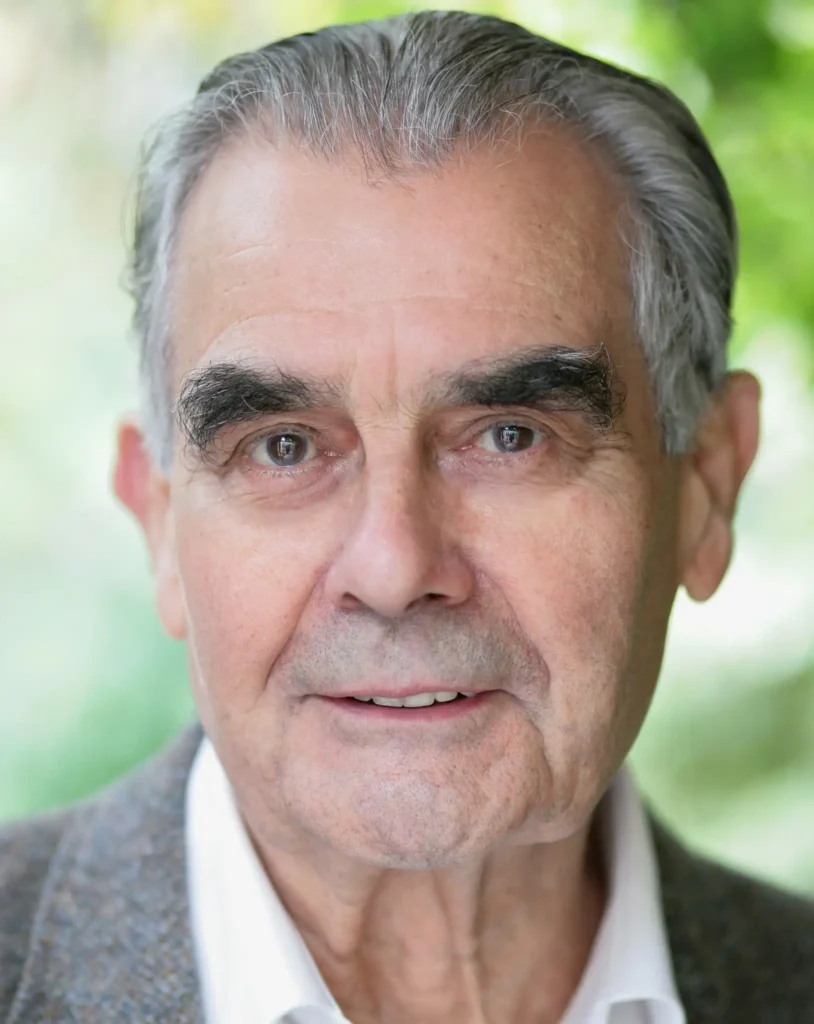
Terence Bayler played the Bloody Baron, the silver-stained, perpetually mournful ghost of Slytherin House, in Harry Potter and the Sorcerer’s Stone. It is a role of almost pure atmosphere: the Bloody Baron appears, and everyone instinctively gives way, even Peeves.
Bayler brought to that presence a career rooted in New Zealand theatre and expanded across decades of British film and television. He is perhaps most widely recognized internationally for his roles as Matthias in Monty Python‘s Life of Brian and as Robert in Time Bandits, both released in 1979 and 1981, respectively, and both films have devoted cult followings.
Bayler died on August 2, 2016, at the age of 86, in Britain. He was one of New Zealand’s most celebrated stage and screen exports, and his loss was felt particularly deeply in his home country.
Hazel Douglas
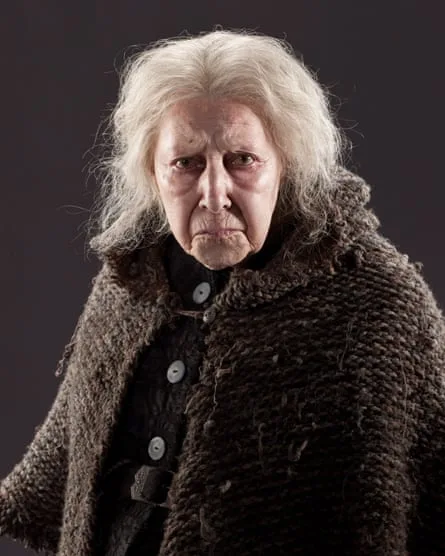
Hazel Douglas played Bathilda Bagshot in Harry Potter and the Deathly Hallows Part 1, the aged magical historian who turns out to be concealing something far more sinister than old age.
The role required Douglas to project frailty and creeping wrongness simultaneously, and she delivered it with a precision that made the reveal genuinely disturbing. Douglas was born on November 2, 1923, and built a long career across the British stage and screen.
She was 92 years old when she died on September 8, 2016, having lived what by any measure was a full and extraordinary life in the theatre. Her longevity was itself an achievement, given that she was still working on a demanding franchise film in her late eighties.
Sam Beazley
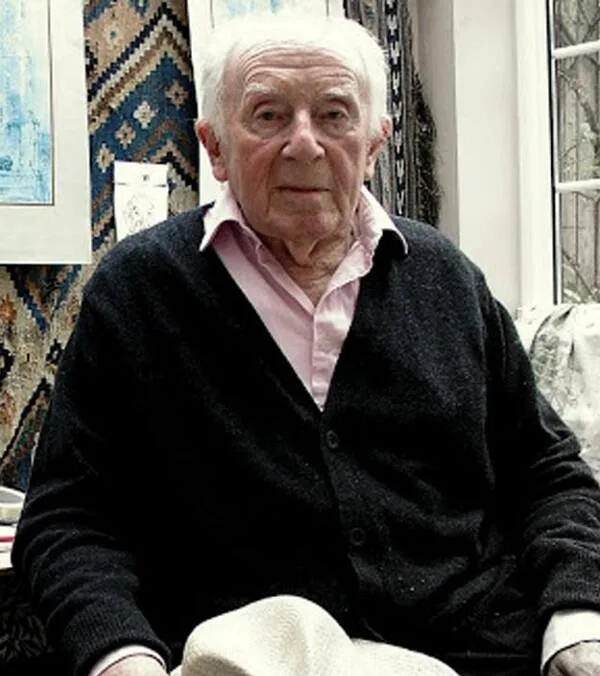
Sam Beazley played Professor Everard, a former Hogwarts headmaster visible as a portrait in Harry Potter and the Order of the Phoenix, a role that placed him in a long lineage of distinguished actors who brought weight to blink-and-miss-it appearances.
What makes Beazley remarkable in this context is the sheer span of his life and career. Born on March 29, 1916, he had been acting professionally for decades before the Harry Potter films existed, and he continued acting into the twenty-first century with complete composure.
He also had a parallel career as a stage director of some renown. Beazley died peacefully in his sleep at home on June 12, 2017, at the age of 101, making him the oldest member of the Harry Potter cast to have passed away. That figure alone, one hundred and one years, deserves a moment of appreciation.
Verne Troyer
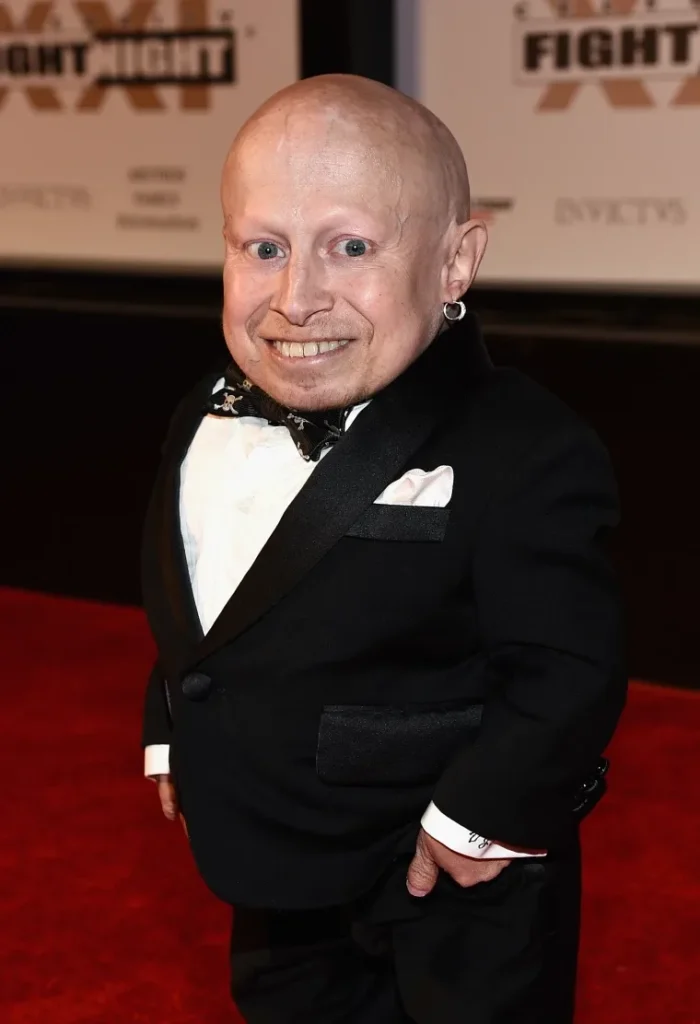
Verne Troyer played Griphook, the sharp-eyed Gringotts goblin who escorts Harry and Hagrid to Vault 713 in Harry Potter and the Sorcerer’s Stone, before the role was recast with Warwick Davis for the Deathly Hallows films.
Troyer, who stood 2 feet 8 inches tall, was already widely known at the time of filming for his role as Mini-Me in the Austin Powers franchise. The Harry Potter production eventually replaced him with Davis partly because the producers wanted to maintain a fully British cast in key roles, a decision that had nothing to do with Troyer‘s performance.
He died in April 2018. He was 49 years old. His death was subsequently ruled a suicide, a conclusion that arrived quietly and without much of the public mourning his earlier career had earned, which seems wrong in retrospect.
Paul Grant
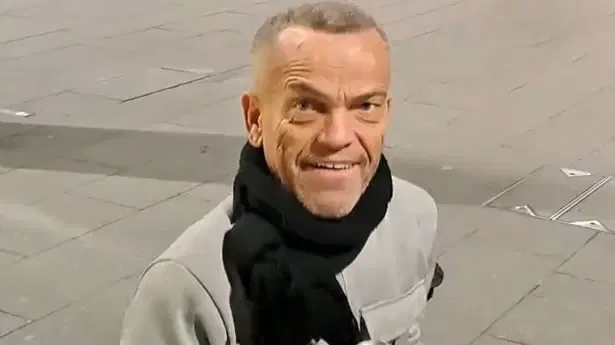
Paul Grant, who appeared as a goblin in the Harry Potter franchise alongside many other film and television credits built up over a career in performance, died on March 20, 2023, at the age of 56, after collapsing suddenly at King’s Cross train station in London.
The location carried its own painful irony for anyone who knows the franchise, since Platform 9¾ at King’s Cross is the gateway through which Harry first enters the wizarding world. His daughter Sophie Jayne Grant posted a tribute that cut to the heart of the loss: “I’m heartbroken. No girl deserves their dad to be taken away. He was so well-known and loved. He’s gone too soon.” She was right. Fifty-six is no age at all.
What the Losses Tell Us
There is something instructive in the sheer breadth of this list. The Harry Potter films were built on the understanding that even the smallest roles deserved actors of genuine caliber. A landlord at a pub. The voice of a hat. A Ministry official is seen in two scenes.
Each of these parts was filled by someone who had spent years, in some cases decades, mastering the craft of performance. That is why the films hold up. That is why they still draw new generations of viewers who were not alive when the first film was released.
What we lose when we lose these actors is not replaceable, not by digital reconstruction, not by recasting, not by reboots. The Harry Potter TV series, currently in development for Max, can assemble a new cast, and perhaps some of them will be extraordinary. But the alchemy of the original films, the particular combination of those specific people in those specific moments, belonged to a particular time and cannot be recovered.
Every death in this list is a reminder that great performance is an intensely human and therefore mortal art. It exists in a body, in a voice, in the specific experience a person has accumulated before they walk on set. When that person is gone, so is that version of the art.
The appropriate response, in the end, may be the one that fans at Universal Studios spontaneously enacted after Maggie Smith’s death in September 2024: fans stood outside of Hogwarts and pointed their wands towards the sky in memory of Smith, reminiscent of a famous scene from Harry Potter and the Half-Blood Prince, in which students, led by Professor McGonagall, raised their wands in solidarity after Dumbledore’s death.
Raise your wands. They earned it, every one of them.