How to Build a Family Emergency Binder (Templates Included)
In the quiet hours after a close call—a house fire that spared our home but scorched the garage, or the sudden hospitalization of a parent that left us scrambling for insurance details—I’ve learned that preparation isn’t about paranoia. It’s about reclaiming control when life tries to strip it away.
Over the past 15 years, as I’ve helped my own extended family and dozens of friends assemble what we now casually call the “family emergency binder” (also known as an emergency preparedness binder, household emergency binder, or grab-and-go binder), one truth stands out: the best ones aren’t perfect on day one. They evolve, they get messy with updates, and they save real heartache.
Trending Now!!:
I built my first one in 2011, right after a neighbor lost everything in a flood and spent weeks piecing together account numbers from memory while grieving. I started simple: a plain 2-inch binder from the office supply store, some dividers, and plastic page protectors.
No fancy pre-printed kits back then, just copies of what I could find in drawers and safe-deposit boxes. Today, mine is a living document—updated twice a year like clockwork, usually around daylight saving time changes—and it sits in a fireproof safe bolted to the floor, with a digital backup on an encrypted drive accessible only to my spouse and adult daughter.
Why This Binder Matters More Than You Think
Most people picture disasters as dramatic events: hurricanes, wildfires, earthquakes. But in my experience, the binder proves its worth in quieter crises too. When my father-in-law had a stroke, we needed his medication list, doctor’s contacts, and power-of-attorney forms immediately—not buried in a filing cabinet.
When a family member’s identity was stolen, having Social Security numbers, passport copies, and bank details organized meant we could freeze accounts before damage spread.
The goal isn’t to hoard originals (keep those in a safe or safety deposit box). Use high-quality copies or scans. The binder is your quick-access tool—for evacuation, medical emergencies, or when someone else must step in to manage your household.
Step 1: Gather Supplies and Set Up the Structure
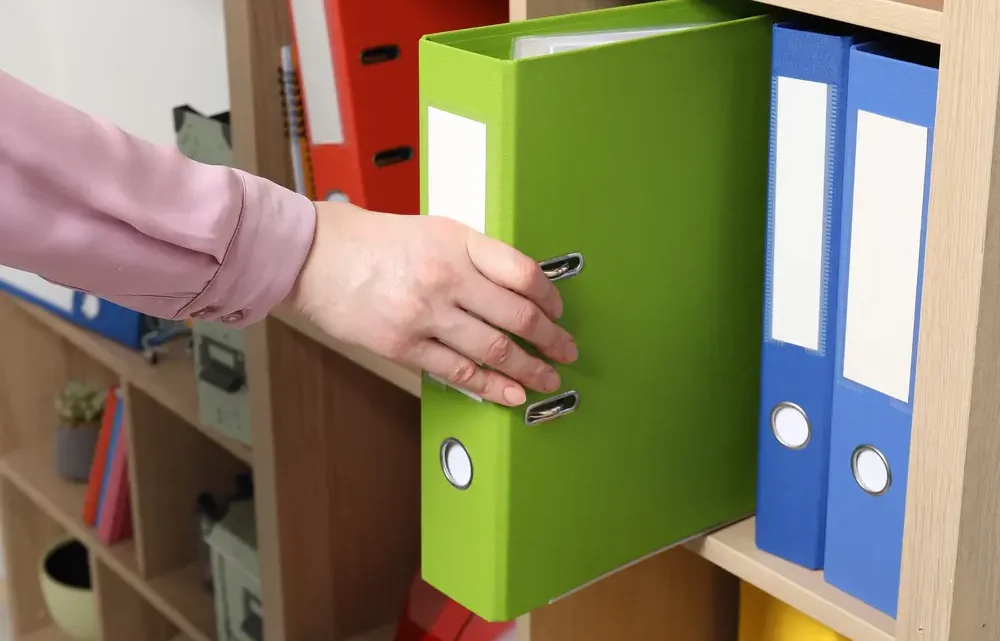
Start with a sturdy 3-ring binder (I prefer ones with D-rings for thicker loads). Get tabbed dividers—eight to ten sections work best—and heavy-duty page protectors. A pencil pouch clipped inside holds a flash drive with digital scans.
Label sections clearly. My current setup:
- Emergency Contacts and Plans
- Personal Identification
- Medical and Health
- Financial Accounts
- Insurance Policies
- Legal and Property Documents
- Household and Pet Information
- Digital Assets and Passwords
Add a cover page with “Family Emergency Binder – In Case of Emergency” and your home address. Include a one-page “Quick Reference” sheet at the front: key phone numbers, meeting spots, and a note like “If separated, head to [neighbor’s house] or [school].”
Step 2: What to Include (The Essentials, Plus What I’ve Learned to Add)
Emergency Contacts and Plans
List out-of-town relatives first (local ones might be affected too). Include neighbors who have keys, your veterinarian, primary care doctors, and workplace/school emergency lines. Add two meeting places: one near home, one farther away. Write a simple family communication plan—who calls whom if cell service is down.
Practical tip: After a local blackout, I added “burner phone” notes—prepaid phones charged and ready. Also, include pet evacuation plans; I once forgot our dog’s vaccination records during a wildfire scare.
Personal Identification
Copies of birth certificates, marriage licenses, passports, driver’s licenses, and Social Security cards. Recent family photos (for identification if separated). For kids or elderly relatives, add guardianship papers.
Mistake I made early: Storing originals here. A friend had her binder stolen during a break-in; copies only would have limited damage.
Medical and Health
Current medication lists with dosages, allergies, and blood types. Immunization records, health insurance cards, doctor’s names and numbers. Living wills, DNR orders, and organ donor info.
Nuance: Update after every doctor’s visit. My wife’s thyroid condition changed meds twice in one year; outdated info could have been dangerous.
Financial Accounts
Bank account numbers, credit cards (with expiration dates and security codes—update as needed), investment summaries. List auto-payments (utilities, subscriptions) so nothing lapses.
Insight: Include beneficiary designations for retirement accounts. After losing an uncle unexpectedly, his widow spent months proving claims because no one knew the details.
Insurance Policies
Homeowners/renters, auto, life, health, flood (if applicable). Policy numbers, agent contacts, deductibles.
Real-life example: During hurricane season prep, we discovered our policy didn’t cover certain wind damage. Fixing that before the storm saved us thousands.
Legal and Property Documents
Deeds, vehicle titles, mortgage statements, wills/trusts. Power of attorney, advance directives.
Human touch: Write plain-English summaries next to complex legalese. “This trust holds the house; successor trustee is Aunt Jane.”
Household and Pet Information
Utility shut-off numbers, home inventory photos (for insurance claims), pet vet records, and microchip info.
Digital Assets and Passwords
A sealed envelope with a master password list (use a manager like LastPass, but provide emergency access). Streaming logins, email, social media. Instructions for closing accounts if needed.
Big lesson: Change passwords annually and keep two-factor recovery codes handy. One widow couldn’t access her husband’s email for weeks.
Step 3: Templates to Get Started
You don’t need to reinvent the wheel. Free or low-cost templates abound online—search for “family emergency binder printable” or “emergency preparedness binder template.” Many include fillable PDFs with checklists and cover sheets.
I recommend starting with a basic one: print cover pages for each section, then add blank lined sheets for custom notes. For medical sections, use a simple table: Medication | Dosage | Frequency | Prescribing Doctor. For finances: Account Type | Institution | Account Number | Contact Phone | Login (sealed).
Customize ruthlessly. If you have elderly parents, add a section for their assisted-living contracts. For young families, include school pickup authorizations.
Step 4: Maintenance and Peace of Mind
Review everything annually—or after life changes (a new baby, a move, a divorce). Involve your spouse or older kids; knowledge is power. Tell trusted people where it is.
I’ve seen families transformed by this small act. One friend, after her husband’s sudden passing, said the binder let her grieve instead of hunt for paperwork. That’s the real win: not preventing the crisis, but softening its blow.
Building your family emergency binder isn’t glamorous. It’s paperwork on a Saturday afternoon. But when the moment comes—and it often does without warning—you’ll be grateful you did. Start small today. Grab a binder, make copies, and fill one section. The rest will follow. Your future self and your loved ones will thank you.