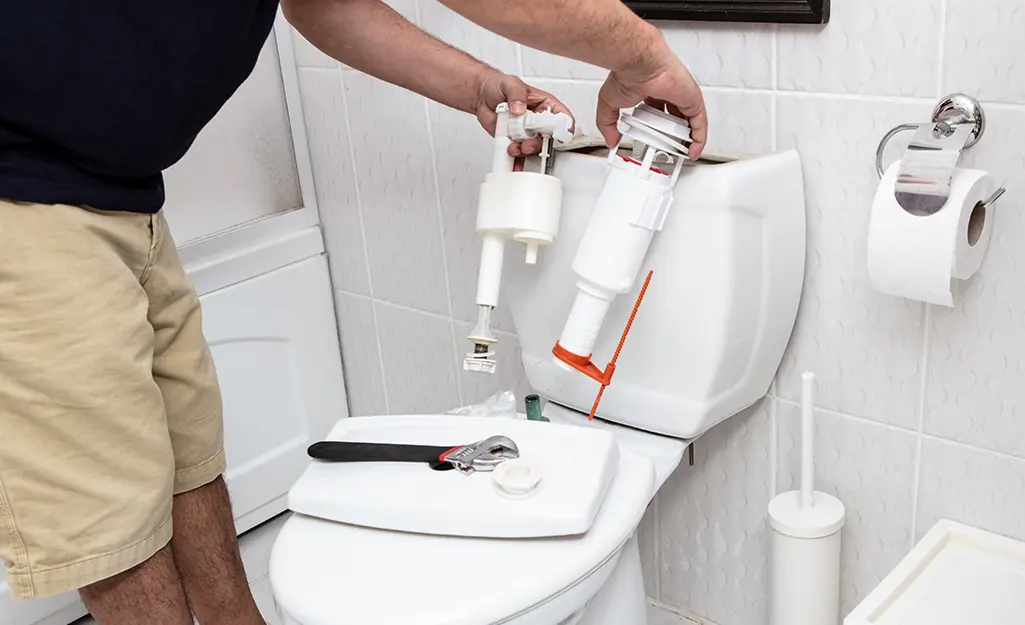
How to Fix a Running Toilet in 5 Minutes
A running toilet is one of those small household annoyances that can drive you quietly mad, especially at 3 a.m. when the hissing or trickling sound pulls you out of sleep.
Over more than a decade spent crawling under sinks, behind toilets, and into crawl spaces for homeowners who just want the noise to stop, I’ve learned that most cases of a constantly running toilet, or one that starts up randomly after a flush, boil down to a handful of straightforward issues.
Trending Now!!:
The good news is you can usually resolve it in under five minutes with no special tools, assuming the problem is one of the common ones, like a faulty flapper or misadjusted fill valve.
Lift the Lid and Diagnose the Problem
First, lift the tank lid carefully, set it aside on a folded towel to avoid cracking the porcelain, and take a good look inside. Flush the toilet once and watch what happens. Listen to where the water is coming from.
Is it a steady stream into the overflow tube in the center of the tank? That’s often the fill valve or float assembly telling the water to keep coming because the tank never reaches the shut-off point. Or is the water quietly seeping from the tank into the bowl, causing the fill valve to kick on intermittently to top it off? That’s almost always the flapper not sealing properly.
In my experience, the flapper wins as the number-one culprit for how to fix a running toilet about 70 percent of the time. This rubber seal at the bottom of the tank lifts when you flush, then drops back to close off the flush valve.
Over the years, it hardens, warps from mineral buildup, or gets a tiny crack you can’t see until you pull it out. I once had a client swear their brand-new toilet was defective; it turned out the flapper had a manufacturing flaw, a thin spot that never seated right. Replacing it took two minutes and cost under $10.
Check and Replace the Flapper
To check yours, reach in and gently lift the flapper by hand. If the running stops immediately, you’ve found the leak. Give the flapper chain a little slack if it’s too tight, pulling the flapper off its seat prematurely. Too much slack, and it might not lift fully on flush, but that’s rarer.
Clean any gunk off the flapper seat, the round opening where it rests, with a non-abrasive pad or even your fingernail. If the flapper looks worn, discolored, or deformed, swap it out. Universal flappers are cheap at any hardware store, and most snap on or hook easily. I keep a couple in my truck because they’re the quickest win for stopping a running toilet.
One quick diagnostic trick I’ve used countless times: after flushing, jiggle the handle. Sometimes the chain gets tangled or the handle sticks, holding the flapper open just enough for a slow leak. A gentle shake often reseats everything.
Adjust the Fill Valve and Float
If lifting the flapper doesn’t stop the flow, or if water is pouring into the overflow tube, turn your attention to the fill valve and float. Modern toilets usually have a plastic float cup that slides up and down a shaft. If the water level is too high, it spills over into the overflow, and the valve never shuts off completely.
Many fill valves have a small adjustment screw or clip on top. Turn the screw clockwise a quarter-turn at a time while the tank refills after a flush. Watch the water level; it should sit about half an inch below the top of the overflow tube.
Too high, and you’ll get that constant trickle. I messed this up early in my career on a fancy Kohler unit, over-tightened the screw, and flooded the floor before realizing I’d gone the wrong direction. Lesson learned: small adjustments, test after each one.
On older toilets with a ball float attached to a long arm, bend the arm downward gently to lower the shut-off point. Don’t force it; brass arms can snap if they’re old and brittle. If the fill valve itself is hissing loudly or the float sticks, it might need replacement, but that’s beyond the five-minute mark and usually not necessary on the first pass.
Quick Safety Steps and Final Checks
Turn off the water supply valve behind the toilet before you start any deeper tinkering, flush to empty the tank, and sponge out the remaining water if needed. It makes everything cleaner and safer. Once fixed, turn the water back on slowly to avoid a sudden surge that could pop a weak flapper right back off.
The real payoff comes when the house goes quiet again. A running toilet can waste around 200 gallons a day, spiking your water bill without you noticing until the next cycle. I’ve seen families cut their usage noticeably just by addressing this one issue. If these steps don’t solve it, the fill valve might be shot, or there’s something trickier like high house pressure, but nine times out of ten, what I’ve described here gets the job done fast.
Next time your toilet starts that endless whisper, don’t ignore it. Grab the lid, diagnose, and fix it. You’ll save water, money, and your sanity, all before the coffee finishes brewing.