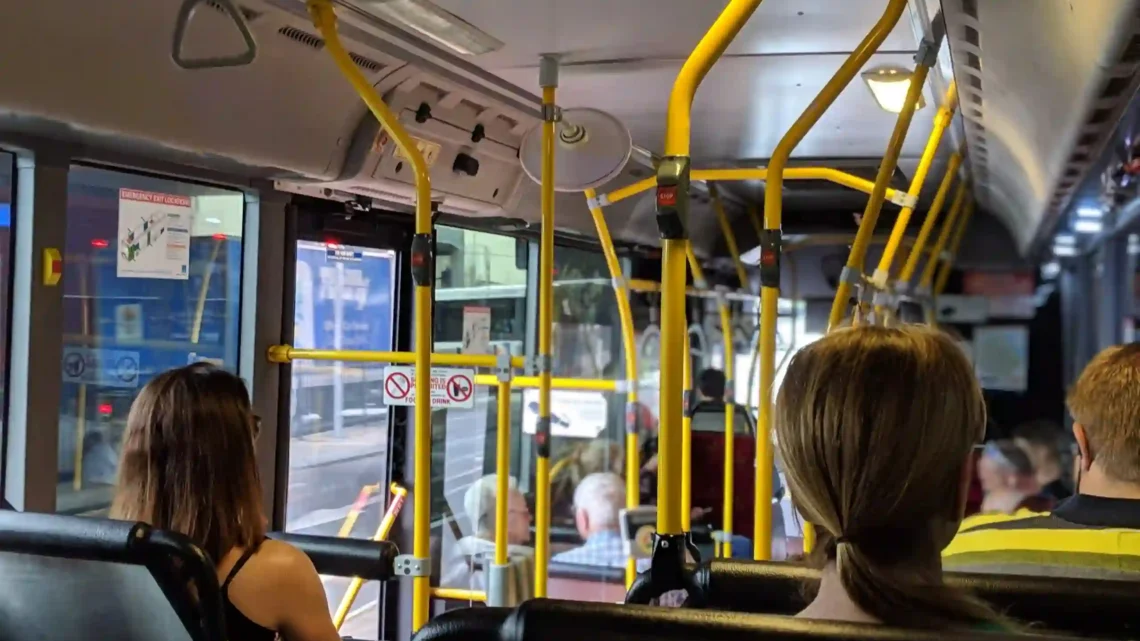
How to Navigate a Foreign City’s Public Transportation
In over a decade of crisscrossing cities—from Tokyo’s labyrinthine subway to the chaotic buses of Mexico City and the punctual trams of Vienna—I’ve learned that navigating public transportation in a foreign city isn’t about memorizing maps.
It’s about developing a feel for a place’s rhythm. The system might look intimidating at first glance, but once you tune into its quirks, it becomes the most efficient, affordable, and revealing way to experience a destination.
Trending Now!!:
Forget the glossy tourist brochures; real mastery comes from the small, lived-in moments that no app can fully predict.
Prepare Before You Arrive
Start before you even land. I always spend an evening or two digging into the basics: Does the city rely on a metro, buses, trams, or a mix? In places like London or Singapore, contactless payments have simplified everything—tap your card and go, with daily caps that prevent surprise overcharges.
But in others, like much of Eastern Europe or parts of Latin America, you’ll still hunt for paper tickets or need to validate them in obscure machines on the platform.
I once boarded a Prague tram thinking my airport ticket was valid for the day; it wasn’t validated, and a plainclothes inspector appeared like a ghost. The fine was steep, but the lesson stuck: always double-check what your ticket actually covers—transfers, time limits, zones.
Apps are indispensable now, but choose wisely. Google Maps handles transit directions reliably in most major cities, yet I’ve found Citymapper edges it out for accuracy in dense networks like Paris or Berlin—it factors in real-time delays and even suggests the best car to board for quickest exits.
Moovit shines in less-covered spots, from Istanbul to São Paulo, and remains a go-to for many global travelers in 2025. Download the local authority’s app too if it exists; many let you buy and store tickets digitally, sparing you the ticket-machine panic when jet-lagged.
One mistake I made early on: relying solely on one app in offline mode without a backup. In Hanoi, my phone died mid-ride on a jam-packed bus, and I had no idea when to signal for my stop. Now I always screenshot key transfers, station names, and routes.
Hit the Ground Running—With Buffer Time
Once you’re on the ground, give yourself breathing room. Arrive at stations early, especially during rush hour. Foreign systems often move faster than intuition suggests—platforms clear in seconds, doors close without mercy.
In Tokyo, the famous white-gloved pushers ensure every train departs on the second; hesitate, and you’re left behind. I’ve missed connections in Milan because I lingered too long studying a sign in Italian.
Build in 20–30 extra minutes for the first few rides; the buffer lets you observe locals—how they stand, where they queue (or don’t), when to offer seats.
Common pitfalls here include not properly validating tickets (a frequent fine trigger in honor-system cities like many in Europe) or boarding in the wrong direction. I’ve done both—once looping endlessly on Berlin’s U-Bahn because I didn’t confirm the platform sign. Stay vigilant: note the direction arrows, listen for announcements, and if in doubt, ask a local before boarding.
Master the Unwritten Rules of Etiquette
Etiquette varies wildly, and ignoring it marks you instantly. In many Asian cities, silence is golden—no loud calls, no sprawling legs. Paris Métro riders prize efficiency: move swiftly, don’t block doors, and if you’re lost, step aside rather than cluster in the aisle.
In contrast, some Latin American bus systems feel communal—people chat openly, and vendors board to sell snacks. I once got stern looks in Seoul for eating on the subway (often forbidden); in Mexico City, sharing my churro with the woman next to me sparked a friendly exchange. Watch and mirror: if everyone is quiet, hush; if conversation flows, join in cautiously.
Universal courtesies help everywhere—let passengers exit before boarding, offer seats to the elderly, pregnant, or those with mobility needs, and avoid eating or loud music where it’s frowned upon (Austria’s subways ban it outright).
In crowded spots like Tbilisi or parts of China, squeezing in is expected—no one apologizes for the press. Stand to one side on escalators (usually right in many places, left for walkers in others, like London). These small adjustments make you blend in rather than stand out.
Stay Safe and Smart
Safety deserves its own quiet vigilance. Pickpockets target confused tourists on crowded lines—I’ve had close calls in Barcelona and Rome. Keep bags in front, zippers inward, valuables distributed. Avoid flashy jewelry or pulling out your phone at eye level on escalators.
In some cities, like certain lines in Naples or Athens, a firm “no” and direct eye contact deters hassle. Women traveling solo often find comfort in women-only cars where available (Tokyo, Cairo, Mexico City). Trust your gut—if a car feels off, switch at the next stop.
Don’t ride without a ticket, even if locals seem to. Inspectors appear unpredictably, fines hit hard, and excuses rarely work. And always pay attention to your surroundings—don’t bury yourself in your phone.
Choose the Right Tickets and Passes
Ticket options reward the prepared. Day or multi-day passes usually pay off quickly. In Vienna, the 72-hour card let me ride trams endlessly, turning transit into sightseeing. London’s Oyster or contactless caps fares automatically. Ask locals or station staff about discounts—students, seniors, or even tourists sometimes qualify.
Embrace the Journey’s Imperfections
The beauty of public transport abroad lies in its intimacy. You overhear conversations, glimpse neighborhoods outsiders miss, and feel the pulse of daily life. In Istanbul, the ferries across the Bosphorus double as sunset cruises. In Hong Kong’s MTR, efficiency borders on art.
I’ve arrived at wrong stops, ridden loops by accident, asked for help in broken phrases—but those stumbles taught me more than any perfect ride. Embrace the imperfection; the system isn’t there to frustrate you, but to carry you deeper into the city.
After all these years, my rule remains simple: prepare just enough, stay alert, ask when unsure, and let the journey unfold. The foreign city’s public transportation isn’t a hurdle—it’s the most authentic welcome you’ll get.