
How to Teach Your Child to Read: Fun, Simple Strategies
I’ve been helping kids learn to read for over 15 years—first as a classroom teacher, then as a reading specialist, and now as a parent to three who all cracked the code at different paces.
One was blending sounds like a pro by age four, another needed gentle nudges until six, and the third? Well, let’s just say we had our share of meltdowns over “cat” versus “hat.” What I’ve learned through all those real-life moments is that teaching a child to read doesn’t have to feel like drilling flashcards or forcing worksheets.
Trending Now!!:
The best ways to teach kids to read are the ones that sneak in learning through play, laughter, and everyday moments. Pressure kills the joy, and joy is what turns reluctant kids into lifelong readers.
If you’re wondering how to teach your child to read at home—whether they’re a toddler just starting out or a preschooler ready for more—here are the fun, simple strategies that have worked for hundreds of families I’ve guided (and my own chaotic household).
Start with the Magic of Reading Aloud Every Day
This is, hands down, the foundation of early literacy. I made the mistake with my first child of skipping bedtime stories on busy nights, thinking we’d catch up later. Big regret—she lost some of that early enthusiasm.
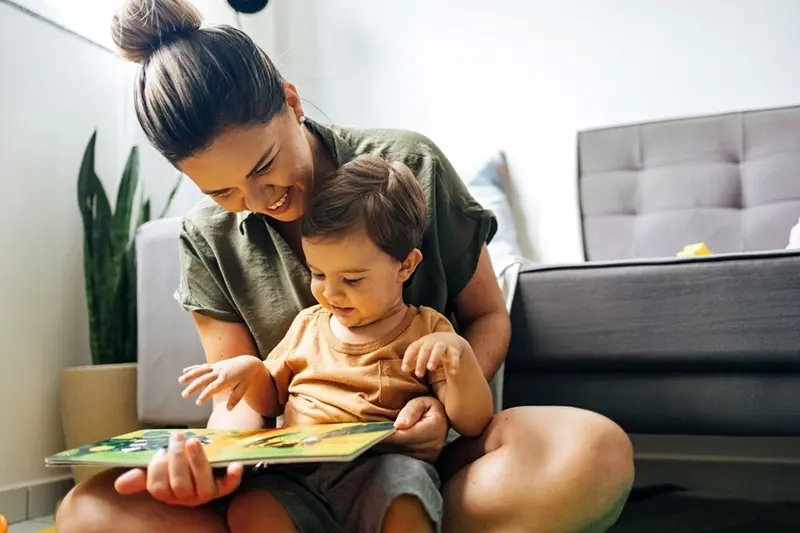
Now, I know better: reading aloud builds vocabulary, sparks imagination, and shows kids that books are fun, not work. Make it interactive. Point out pictures, ask “What do you think happens next?” or let them turn the pages. For toddlers, choose sturdy board books with rhymes and repetition.
My middle one loved The Very Hungry Caterpillar because we acted out the foods. Aim for 20 minutes a day—it’s the easiest way to boost reading skills without any formal lessons.
Play with Sounds: Building Phonemic Awareness the Fun Way
Before kids can decode words with phonics, they need to hear and play with sounds in spoken language. This is phonemic awareness, and it’s huge for early reading success. We turned it into games.
Sing silly rhymes, clap syllables in names (“Ma-ma has two claps!”), or play “I Spy” with beginning sounds (“I spy something starting with /b/—ball!”). One of my favorite mistakes was overdoing worksheets early on; kids tune out.
Instead, during bath time, we’d rhyme words like “duck, truck, muck.” It felt like play, but it wired their brains for reading.
Introduce Phonics Through Games and Everyday Objects
Phonics—connecting letters to sounds—is key to teaching children to read independently. But forget boring drills. Start simple with letter sounds, not just names. Magnetic letters on the fridge saved us.
My kids would build three-letter words like “cat” or “dog” while I cooked dinner. We’d sound them out slowly: /c/-/a/-/t/. Blending sounds clicked for my youngest during car rides—we’d spot signs and blend “s-t-o-p.” If your child struggles (like mine did with “sh” and “ch“), use sensory tricks: trace letters in shaving cream or sand.
A pro tip from years in the classroom: mix in sight words early. Words like “the,” “said,” and “you” don’t always follow phonics rules, so we made them stick with songs or hid them around the house for a treasure hunt.
Make Sight Words Stick with Hands-On Fun
High-frequency sight words appear frequently in books, so recognizing them quickly builds fluency and confidence. Flashcards? Yawn. We did better with movement: write words on sidewalk chalk and jump on them, or swat them with a fly swatter (huge hit).
One parent I coached turned it into “word soup“—write words on paper strips, float them in water, and fish them out as you read aloud. Her struggling reader went from frustrated to giggling in just a few weeks.
Turn Everyday Moments into Reading Opportunities
The most effective reading strategies for kids happen naturally. Label things around the house: “door,” “light,” “bed.” Cook together and read recipes. Grocery shopping? Let them find items on the list.
Environmental print—like cereal boxes or street signs—helped my oldest feel like a “real” reader early. We avoided pushing too hard; if tears came, we’d stop and cuddle with a book instead.
Choose the Right Books and Celebrate Small Wins
Pick decodable books once they know some sounds—simple stories with words they can sound out. Bob Books were a game-changer for us; short, satisfying, and full of wins.
Track progress gently: a sticker chart for books read, or a “reader of the day” crown. Celebrate blending their first word or finishing a book solo. Those moments? Pure gold.
What If It’s Not Clicking? Patience and the Long Game
Not every child reads by kindergarten, and that’s okay. I’ve seen kids bloom at seven after seeming “behind.” If frustration builds, step back—focus on fun read-alouds. Rule out vision or hearing issues if needed, but mostly, trust the process.
After all these years, the biggest lesson is this: kids learn to read when they want to, and they want to when it’s joyful. Keep it light, consistent, and full of love.
Your child will get there—and you’ll both have stories to tell along the way. If you’re starting this journey, you’ve got this. Happy reading!