
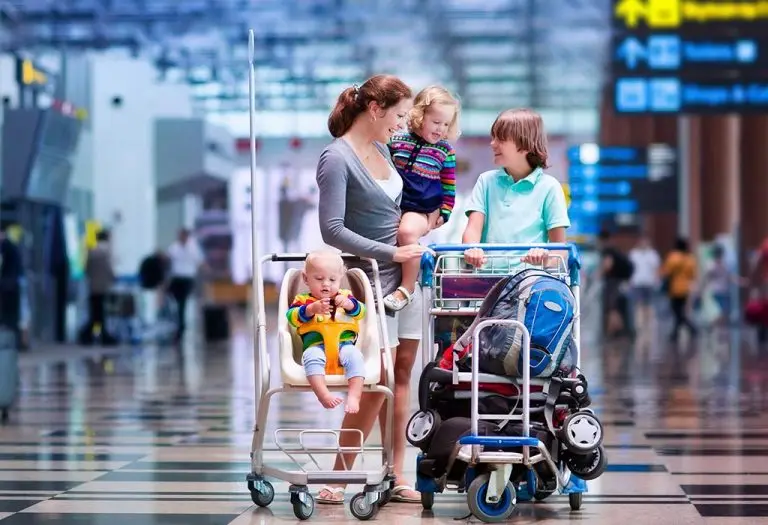
How to Travel with Young Children And Keep Your Sanity
Traveling with young children can feel like juggling flaming torches while riding a unicycle—exhilarating when it works, chaotic when it doesn’t.
After more than a decade of hauling my own crew (now ages 4 to 12) across continents, from red-eye flights to week-long road trips and everything in between, I’ve learned that keeping your sanity isn’t about perfection. It’s about realistic expectations, smart prep, and a healthy dose of humor when things inevitably go sideways.
Trending Now!!:
The truth is, family travel with toddlers and young kids isn’t the glossy Instagram version. There will be meltdowns in security lines, mystery stains on airplane seats, and moments when you wonder why you ever left the house.
But there are also those pure magic bits: watching your three-year-old’s eyes light up at their first beach wave or hearing your five-year-old declare the hotel pool “the best place ever.” The key is stacking the deck in your favor so the good moments outweigh the tough ones.
Start with the Mindset Shift (and Lower Your Bar)
My biggest lesson came early on. On our first big trip with a two-year-old and a four-year-old, I packed an itinerary like we were still child-free adults—museums, long dinners, early starts.
By day two, everyone was exhausted and cranky, including me. Now I plan vacations around the kids’ rhythms, not mine.
If that means one big activity a day followed by nap time in the hotel (even if it’s 3 p.m.), so be it. The goal isn’t to “see everything”—it’s to create happy memories without anyone losing their mind.
Embrace that traveling with toddlers means slower paces and flexibility. Build in buffer time everywhere. Airports take twice as long, meals stretch out, and “quick” walks turn into scavenger hunts for rocks. Accept it upfront, and you’ll stress less.
Packing Like a Pro (Without Overpacking)
Overpacking was my rookie mistake. I used to bring an entire pharmacy and toy store. Now I focus on essentials and buy the rest on arrival.
- Snacks are non-negotiable. Hungry kids = meltdowns. Pack familiar favorites like pouches, crackers, and fruit strips—things that won’t melt or crumble everywhere. On one flight, my toddler refused airline food, but the stash of his usual granola bars saved us.
- Layers and easy-access clothes. Planes and hotels swing from freezing to sauna-like. Dress kids in slip-on shoes and comfy layers without tricky buttons. Always pack at least two extra outfits per child in your carry-on (one for them, one for you—spills happen).
- Entertainment that isn’t just screens. I limit tablets until truly desperate. Instead, I use “surprise bags”: small wrapped toys, new coloring books, sticker sets, or magnetic games revealed one at a time. On a long-haul flight to Europe, unveiling a new fidget toy every hour kept things calm far longer than I expected.
- Health kit basics. Kids’ pain reliever, band-aids, any prescription meds, plus electrolyte packets. One trip, a fever hit out of nowhere—having meds on hand meant no frantic pharmacy hunt at midnight.
Pro tip: Buy bulky consumables (diapers, formula, wipes) at your destination. It saves luggage space and weight.
Mastering the Airport and Flight Gauntlet
Air travel with young children tests your patience the most. Book early morning flights when possible—kids are fresher, delays are less likely, and they might sleep. I always aim for direct flights; connections with tired toddlers are nightmare fuel.
Get to the airport early. Use that time to let the kids run around (many airports now have play areas). For security, wear easy-off shoes and clothes. If you’re gate-checking a stroller, keep a carrier handy—nothing worse than juggling a squirmy kid in line.
On the plane:
- Board last if you have assigned seats (less time confined).
- Bring empty sippy cups or bottles—pressure changes hurt little ears, and sucking/swallowing helps.
- Walk the aisle during calm moments to burn energy.
- Noise-canceling headphones for older kids, plus familiar comfort items like a lovey or blanket.
One flight, my four-year-old had a full meltdown during takeoff. I whispered silly stories in her ear until she giggled—distraction over discipline worked wonders.
Keeping Routines (and Sanity) on the Road
Jet lag hits kids hard. Stick to home bedtime as much as possible, even if it means eating dinner at weird hours initially. On a trip to Asia, we fought the urge to let them crash early—pushing through paid off with better nights after day two.
Involve kids in planning. Let a five-year-old pick one activity (“the zoo or the beach?”). It gives them ownership and cuts whining. For toddlers, simple previews help: “Tomorrow we fly on a big plane, then see Grandma!”
Safety basics: Take a daily family photo (what they’re wearing), label clothes subtly, and use a buddy system. Bright colors make them easier to spot in crowds.
Destination Choices That Save Your Soul
Pick spots with kid-friendly perks: pools, playgrounds, and short drives between activities. Resorts with kids’ clubs (even for ages 3+) gave my partner and me a breather—once for a quiet dinner while the kids did crafts.
Road trips? Pack car games, audiobooks, and frequent stops. We turn rest areas into picnic-playgrounds.
Health on the go: Bottled water in sketchy spots, hand sanitizer everywhere. If illness hits (it will), have travel insurance and know the nearest clinic.
The Bottom Line
After all these years, I’ve realized traveling with young children isn’t about flawless execution—it’s about rolling with the chaos and finding joy in the mess.
The tantrum in the terminal fades, but the memory of your toddler splashing in the hotel fountain lasts forever.
Prep smart, expect hiccups, laugh at the absurdity, and give yourself grace. You’re not just traveling—you’re building stories your kids will tell for years. And when you make it through with most of your sanity intact? That’s the real win.
You’ve got this. Pack the snacks, hug the chaos, and go make those memories.