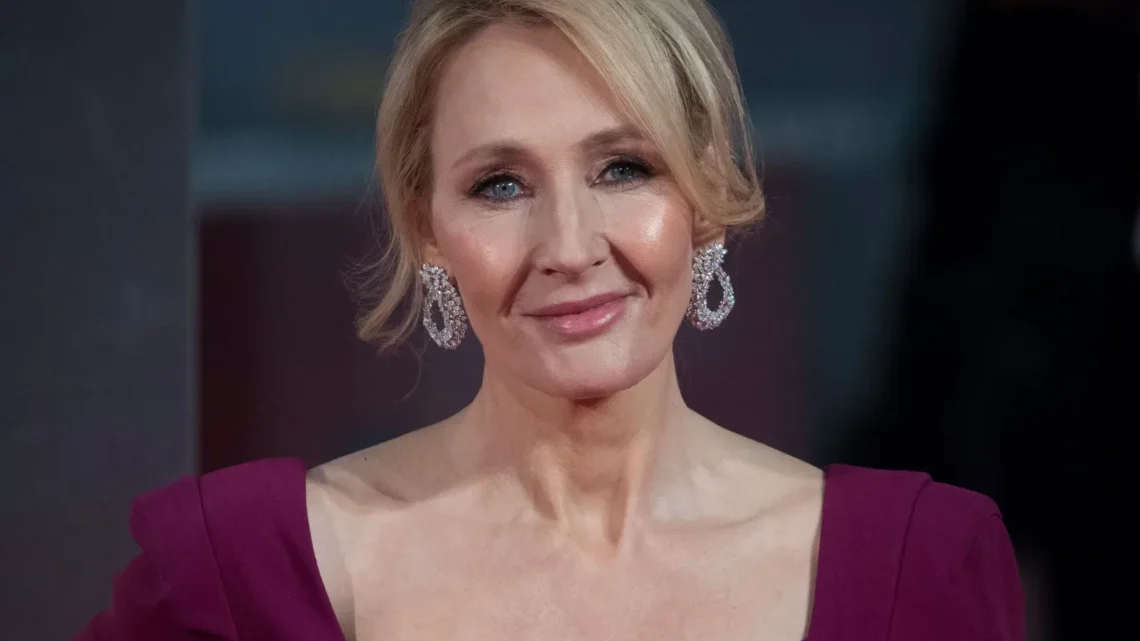
Meet Top 10 Richest Authors in the World
From Rowling's billion-dollar wizarding empire to Oda's manga juggernaut, how ten authors turned books, characters, and franchises into nine-figure fortunes.
The world’s richest authors built their fortunes on more than book sales. J.K. Rowling, James Patterson, and Jim Davis lead a list dominated by writers who turned single ideas into franchises spanning film, television, merchandise, and licensing.
Estimated net worth across the top ten ranges from roughly $390 million to over $1 billion, with most fortunes built over decades rather than single bestsellers.
Trending Now!!:
Publishing has always rewarded volume and longevity, but the modern author’s fortune looks nothing like it did even twenty years ago. A handful of writers on this list earned the bulk of their wealth from royalty checks alone.
The rest built something closer to a media company, with the book functioning as the opening chapter of a much larger commercial story. That distinction matters for anyone trying to understand how literary wealth is actually generated in 2026, and it shapes the order of the ranking below.
Net worth figures for authors are notoriously difficult to pin down with precision. Publishers rarely disclose advance payments, royalty rates are private contractual terms, and licensing income from film and merchandise deals is often bundled into corporate accounting that never surfaces publicly.
1. J.K. Rowling: Net Worth Around $1 Billion
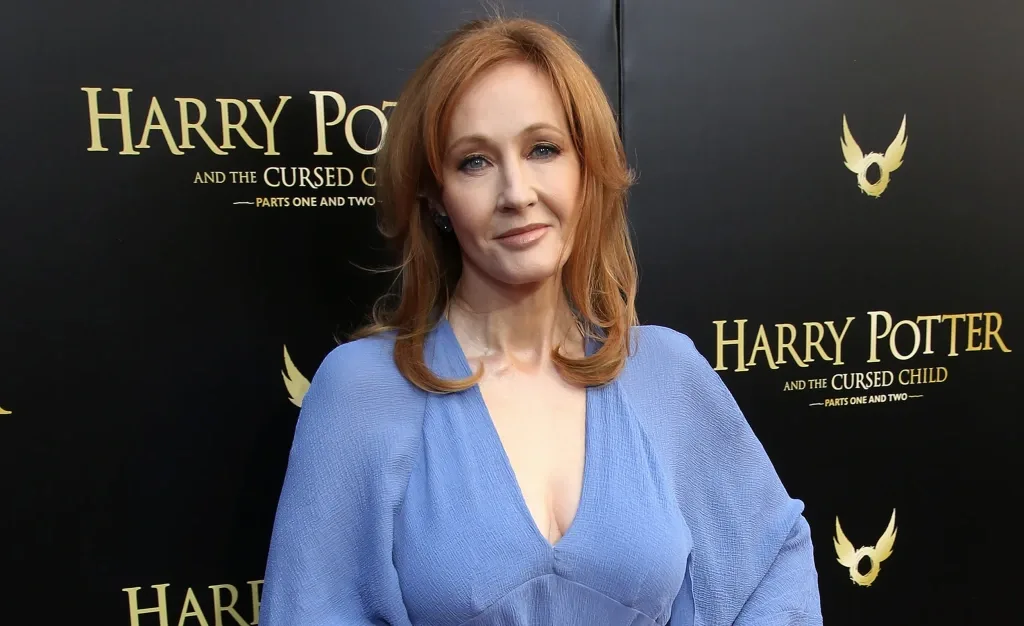
J.K. Rowling sits at the top of this list with an estimated net worth of nearly $1 billion, making her the only author on this ranking widely described as a billionaire.




The Harry Potter series, which debuted in 1997, has sold more than 500 million copies worldwide and has been translated into dozens of languages, a scale of reach that very few publishing properties in history have matched.
What separates Rowling from almost every other writer on this list is franchise control. The book series alone would have made her wealthy. The decision to retain significant rights and influence over the Wizarding World franchise, including the film adaptations, theme park attractions at Universal Studios, video games, and an extensive licensing program, is what pushed her into a different financial tier altogether.
She also writes the Cormoran Strike crime fiction series under the pen name Robert Galbraith, a smaller but steady secondary income stream that demonstrates she has not simply coasted on one property for three decades.
A common misconception is that Rowling’s fortune comes primarily from continued book sales. In reality, the backlist royalties from the original seven novels are dwarfed by licensing and media income tied to the broader franchise, including the ongoing Wizarding World expansion and a new streaming adaptation in development.
This is the single clearest example in modern publishing of a book functioning as the foundation for a permanent entertainment property rather than a finite product.
2. James Patterson: Net Worth Around $800 Million
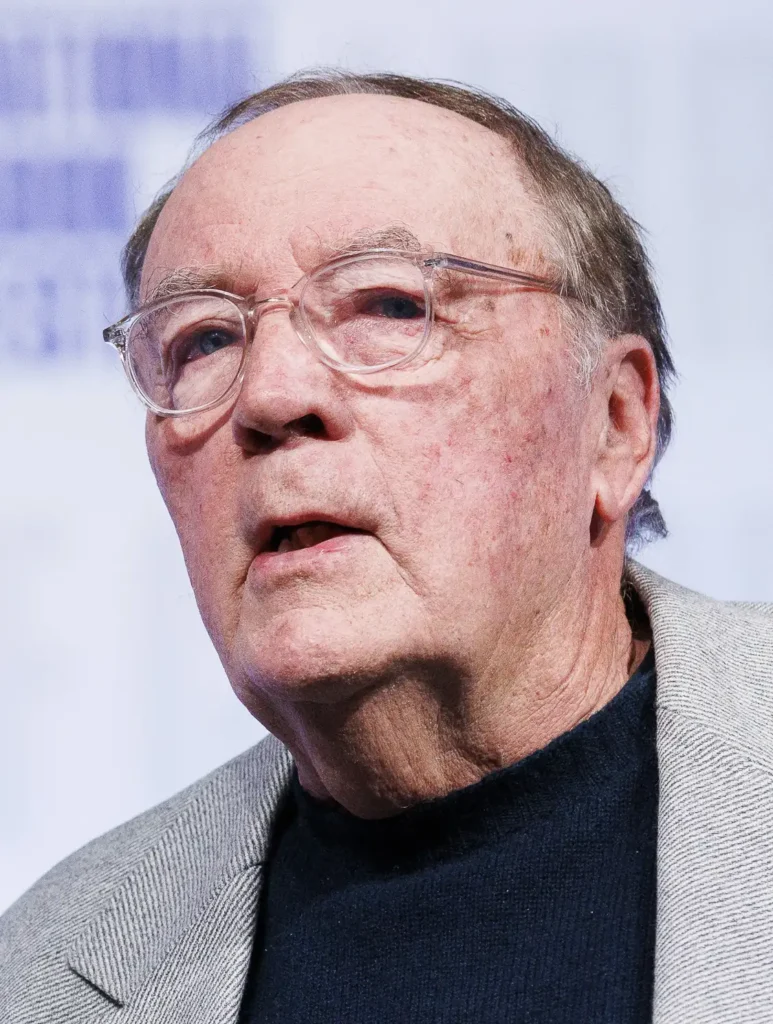
James Patterson has built an estimated $800 million fortune through a publishing model almost nobody else in this industry has replicated at scale. Since 1976, he has released more than 140 novels, with combined sales exceeding 425 million copies, an output rate that would be implausible for most novelists working alone.
The mechanism behind that output is co-authorship. Patterson developed a system of working with collaborating writers on detailed outlines and structural notes, allowing him to publish multiple titles a year across series, including Alex Cross and Women’s Murder Club.
Critics within the publishing industry have sometimes dismissed this as an assembly-line approach to fiction. Still, the commercial results argue otherwise: consistent bestseller placement across four and a half decades, with film and television adaptations adding a second revenue layer on top of book royalties.
The practical lesson for working authors is rarely stated directly in coverage of Patterson‘s wealth: volume and consistency, not single breakout hits, built this fortune. Patterson did not have one cultural moment the way Rowling did.
He had hundreds of reliable releases that each performed well, which compounds differently than a single phenomenon but can ultimately produce comparable wealth over a long enough timeline.
3. Jim Davis: Net Worth Around $800 Million
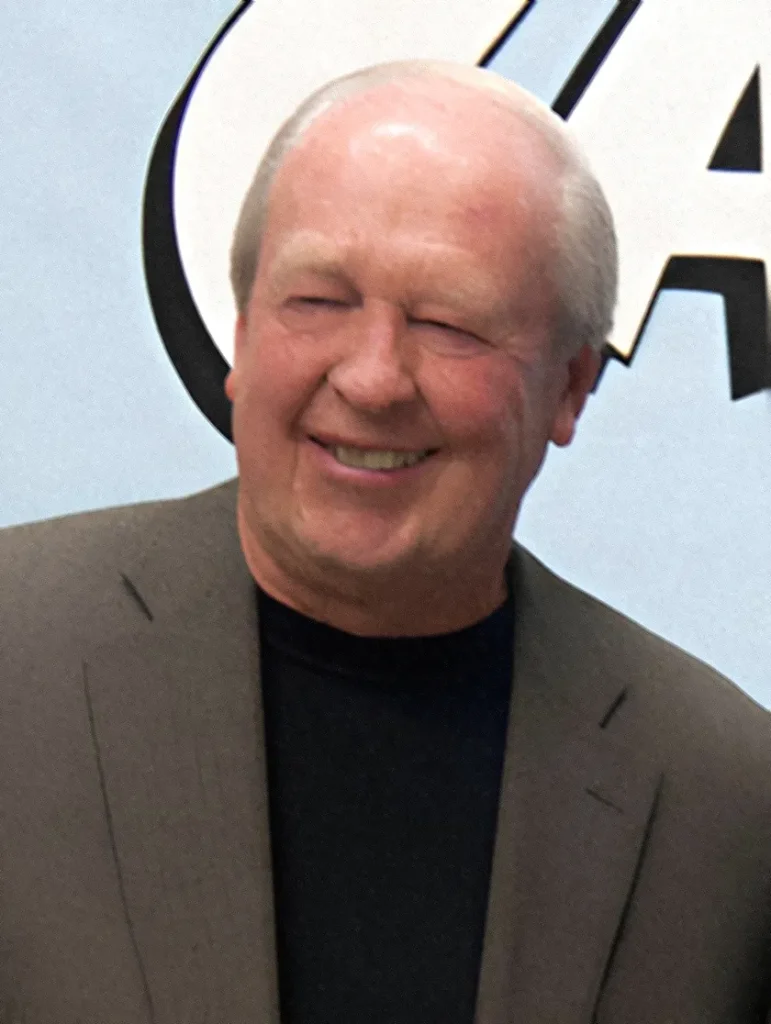
Jim Davis ties Patterson at an estimated $800 million, and his case is the clearest argument on this list for why character licensing outperforms book royalties over the long run.
Garfield, the orange cat Davis created for newspaper syndication in 1978, became one of the most successful licensing properties in entertainment history, and Davis built that success by aggressively expanding the character well beyond the comic strip page.
Animated television specials, films, merchandise, apparel, and toy lines turned a single comic strip character into a permanent commercial fixture. The strategic decision that mattered most was thematic: Davis kept Garfield’s humour timeless and universal, built around relatable gripes like disliking Mondays and loving lasagna, rather than tying the character to topical references that would have dated quickly.
That choice is a significant part of why the property remained globally marketable for nearly five decades, an unusually long shelf life for any comic creation.
Davis‘s wealth illustrates a point often missed in author-wealth coverage: comic strip creators and novelists are frequently lumped into the same “richest authors” rankings, but the economics of character licensing are fundamentally different from the economics of book royalties.
A licensed character can generate revenue indefinitely across categories a traditional novel never touches, which is precisely how a newspaper comic strip creator ended up financially even with one of the bestselling novelists alive.
4. Danielle Steel: Net Worth Around $600 Million
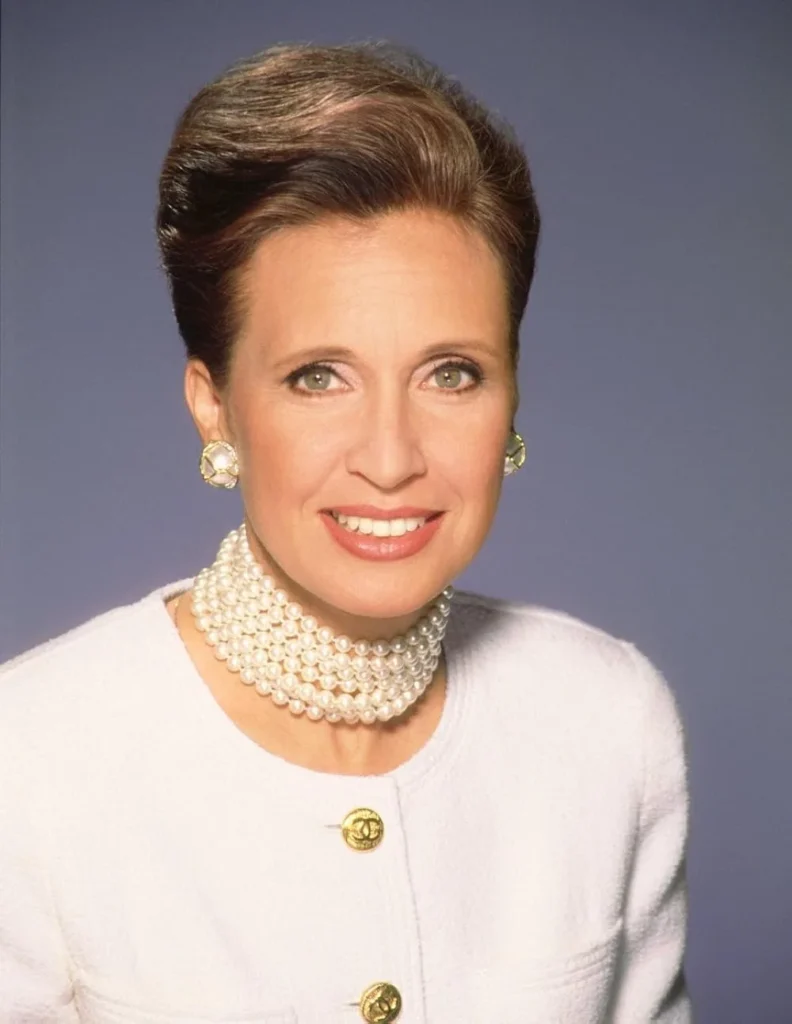
Danielle Steel has an estimated net worth of $600 million, built almost entirely on traditional book publishing rather than franchise licensing, which makes her case distinct from the names above her on this list.
Since her debut novel in 1973, Steel has published more than 190 books, with combined sales surpassing 800 million copies. This figure places her among the bestselling novelists in publishing history regardless of genre.
Steel‘s business model has always been output-driven in a different sense than Patterson’s. Rather than collaborating with co-authors, she is known industry-wide for an extraordinary personal work rate, reportedly writing for extended stretches at a time and publishing multiple original novels every year for decades.
Her romance-driven novels, centred on relationships, resilience, and family upheaval, have repeatedly topped The New York Times bestseller list, and several have been adapted for television.
The overlooked detail in most coverage of Steel’s wealth is the consistency of audience rather than peak popularity. She has never had a single cultural moment on the scale of Harry Potter, yet her fortune rivals that of authors who did, because a loyal readership that reliably buys each new release compounds into very large lifetime earnings, even without franchise-level licensing income.
5. Tony Robbins: Net Worth Estimated Between $600 Million and $1 Billion

Tony Robbins occupies an unusual position on any richest-authors list because his wealth is overwhelmingly business income rather than book royalties, with estimates varying widely across sources, from roughly $600 million to as high as $1 billion, depending on the methodology.
Robbins built his public profile through bestselling self-help titles, including Unlimited Power and Awaken the Giant Within. Still, the books function primarily as the entry point into a much larger commercial ecosystem.
That ecosystem includes ownership stakes in more than 100 companies spanning finance, hospitality, biotech, and wellness, with combined annual revenue reportedly exceeding $1 billion, as well as high-ticket seminars such as Unleash the Power Within and Date with Destiny, which can charge attendees thousands of dollars for admission.
Robbins‘s books are best understood as a marketing funnel for these higher-margin businesses rather than a standalone revenue source, which is a meaningfully different financial structure from that of every other author on this list.
This is worth flagging directly: some richest-authors rankings exclude Robbins entirely on the grounds that his fortune is not primarily a writing income, in the same way several lists exclude business author Grant Cardone for similar reasons.
His inclusion here reflects how widely he is still categorized as an author across financial media. Still, readers should understand that his case sits closer to entrepreneur-with-a-bestseller than novelist-turned-mogul.
6. Stephen King: Net Worth Around $500 Million to $550 Million

Stephen King has an estimated net worth in the $500 million to $550 million range, with figures varying modestly by source, built over more than five decades since his 1974 debut novel Carrie.
King has published more than 60 novels and hundreds of short stories, with global sales exceeding 400 million copies, and his catalog has produced more film and television adaptations than almost any other living novelist’s body of work.
What distinguishes King‘s financial model from the names above him is intellectual property retention combined with adaptation frequency rather than franchise expansion in the Rowling or Davis sense. King has not built theme parks or sprawling merchandise lines around his characters.
Instead, his wealth comes from a steady, decades-long cadence of new novels generating fresh advances and royalties, layered with a near-constant stream of adaptations, The Shining, It, Pet Sematary, and Misery among the most commercially successful, that continue finding new audiences through streaming platforms.
A frequently overlooked detail in coverage of King‘s career is the Dollar Baby program, through which he has long sold film rights to his short stories to student and amateur filmmakers for a symbolic one dollar, under restrictive terms that prevent commercial distribution.
It generates no meaningful revenue and exists alongside his much larger commercial dealings with major studios. Still, it illustrates a working author’s relationship with adaptation rights that is more nuanced than the pure profit-maximization narrative that dominates most wealth coverage.
7. Paulo Coelho: Net Worth Around $500 Million
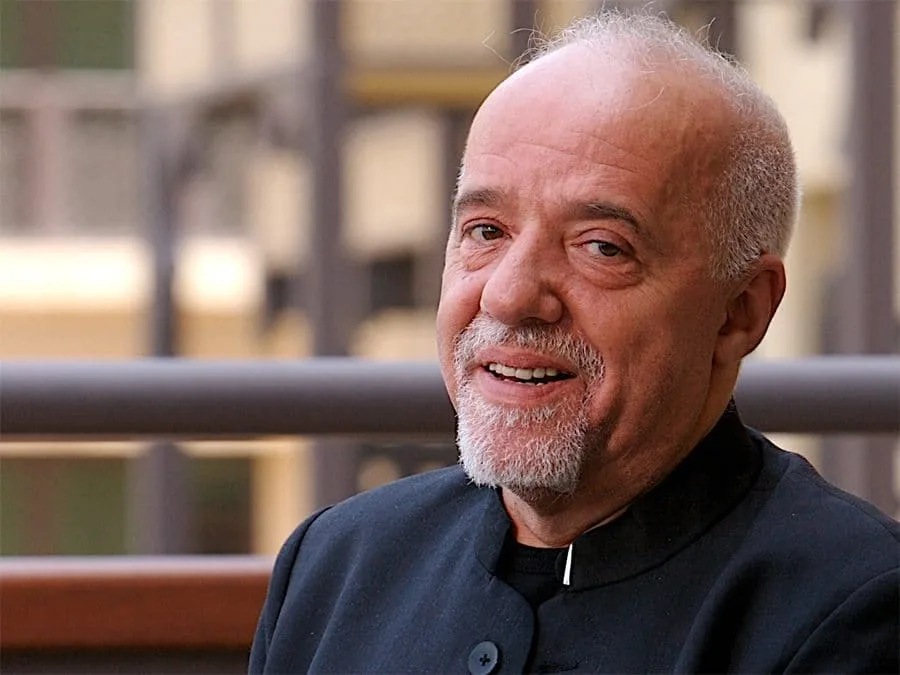
Paulo Coelho has an estimated net worth of $500 million, anchored by The Alchemist. This 1988 novel became one of the bestselling books in modern publishing history and remains a steady seller on backlist charts nearly four decades after its release.
Coelho has published more than thirty additional books since, but The Alchemist alone accounts for a disproportionate share of his commercial footprint.
Coelho‘s case is instructive for a reason rarely discussed in richest-authors coverage: his fortune demonstrates how international and translation markets can sustain an author’s wealth independently of any single dominant English-language territory.
The Alchemist has been translated into more languages than almost any other contemporary novel, and Coelho‘s earnings reflect broad global distribution rather than concentrated strength in the United States or United Kingdom publishing markets that drive most of the other entries on this list.
Coelho has also worked as a lyricist and songwriter, a secondary income stream that rarely surfaces in his financial profiles but reflects a writing career built on more than one creative format.
8. Nora Roberts: Net Worth Around $390 Million to $400 Million

Nora Roberts has an estimated net worth between $390 million and $400 million, built across more than 230 novels published since her first bestseller, Playing the Odds, in 1985.
Roberts also writes futuristic suspense fiction under the pen name J.D. Robb, alongside other pseudonyms used earlier in her career, a multi-genre output strategy that allowed her to reach distinct reader segments simultaneously without diluting either brand.
Industry figures place Roberts‘s earnings from 2008 to 2018 alone at roughly $128 million, a useful data point because it demonstrates the scale of mid-career annual income a top-tier genre novelist can sustain even without a franchise-level media adaptation.
Roberts has never had a Harry Potter or Garfield-scale licensing story attached to her work, and her wealth is a clear illustration of how sustained category dominance, in her case, contemporary romance and romantic suspense, can independently produce a fortune in the hundreds of millions.
What is often missed in surface-level coverage of Roberts is the history of rejection behind her success. She was turned down by multiple publishing houses before her debut. This detail matters because it complicates the narrative, common in richest-authors content, that financial success in publishing tracks cleanly with early industry recognition.
9. John Grisham: Net Worth Around $400 Million
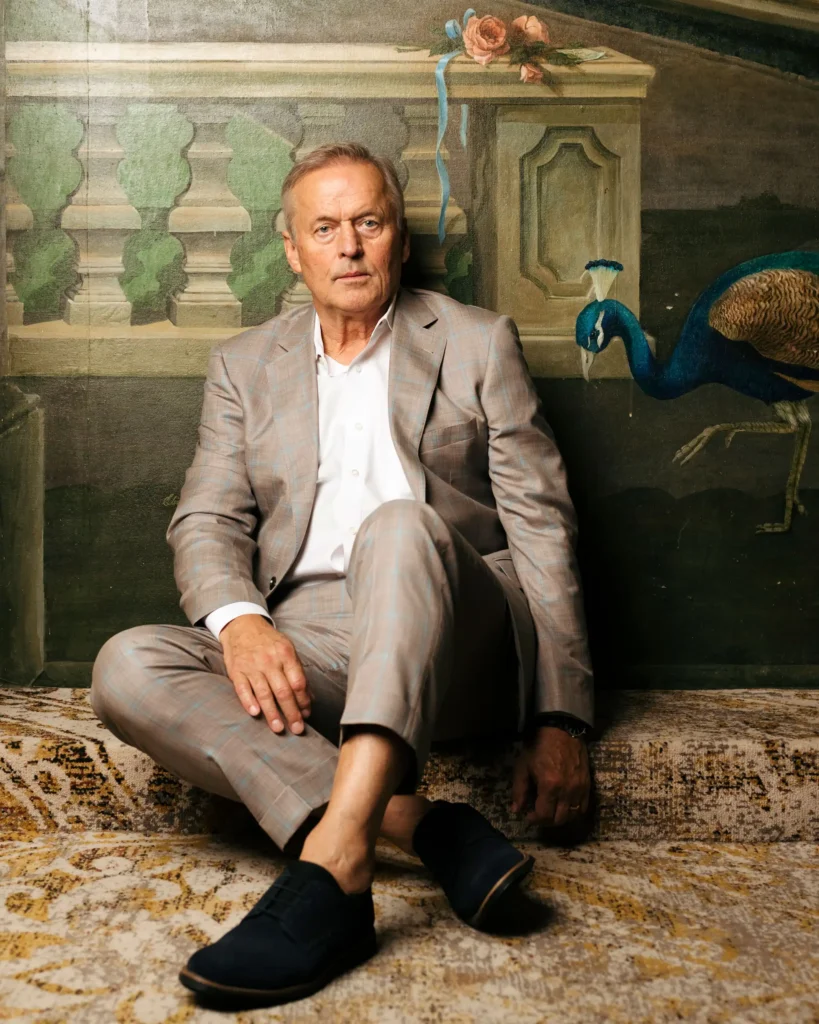
John Grisham rounds out the upper tier of this ranking with an estimated net worth of $400 million, built on legal thrillers including The Firm, A Time to Kill, and The Pelican Brief.
Grisham‘s background as a practicing lawyer and former Mississippi state legislator gives his courtroom and legal-procedural fiction a level of structural authenticity that has been central to his commercial durability since his breakout in the early 1990s.
Grisham‘s books have sold more than 300 million copies, and a significant share of his fortune comes from film adaptations of his early legal thrillers, several of which became major theatrical releases in the 1990s.
He has continued publishing consistently into the 2020s, including The Exchange, a direct sequel to The Firm released three decades after the original, which performed strongly enough to demonstrate that his core readership has remained intact across an entire generation.
The throughline across Grisham‘s career, and the detail most relevant to anyone studying his model rather than just his net worth, is genre specialization.
He has stayed almost entirely within legal thrillers for more than thirty years rather than diversifying across genres, a narrower strategy than several others on this list, but one that has proven just as durable when executed with subject-matter credibility.
10. Eiichiro Oda: Net Worth Estimated Above $200 Million

Eiichiro Oda, creator of the manga series One Piece, closes out this ranking with a personal fortune commonly estimated at over $200 million.
However, exact figures remain private given the structure of Japanese publishing and licensing deals. By March 2026, One Piece had surpassed 600 million copies in circulation worldwide, making it the bestselling manga series in history and one of the most commercially significant publishing properties in any format globally.
Oda‘s inclusion on a richest-authors list is itself a useful corrective to how these rankings have traditionally been compiled. Most older versions of this list skew almost entirely toward Western novelists, which understates how large manga publishing has become as a global entertainment category.
Oda‘s income is tied to manga royalties, the long-running anime adaptation, video games, merchandise, theatrical films, and a Netflix live-action adaptation that introduced the franchise to audiences who had never engaged with the original print format.
The strategic lesson from Oda‘s career mirrors Davis’s Garfield trajectory more than it resembles any of the novelists above him: a single sustained character universe, expanded methodically across formats over more than a quarter century, can rival or exceed the wealth generated by individual bestselling novels released one at a time.
How These Authors Actually Built Their Fortunes
Looking across all ten entries, four commercial layers consistently separate the largest author fortunes from merely successful writing careers: original book sales, long-tail backlist demand that continues generating royalties years or decades after release, retained control over characters or fictional worlds, and the ability to move those properties into film, television, games, or merchandise.
Rowling represents the strongest pure franchise model on this list. Patterson represents the highest-output publishing model. Steel and Roberts demonstrate the financial power of sustained reader loyalty without franchise expansion.
King and Grisham show how genre specialization can generate decades of compounding income. Davis and Oda prove that character-driven properties, regardless of medium, can produce licensing revenue that exceeds what traditional novel royalties alone could ever generate.
The practical misconception worth correcting is the assumption that writing talent alone explains these fortunes.
Every name on this list combined genuine creative skill with a specific commercial structure, co-authorship, character licensing, franchise retention, or output consistency that amplified the underlying work into something considerably larger than book sales could have produced on their own.
That distinction is the actual story behind how authors become this wealthy, and it is the part most surface-level coverage of this topic tends to skip entirely.