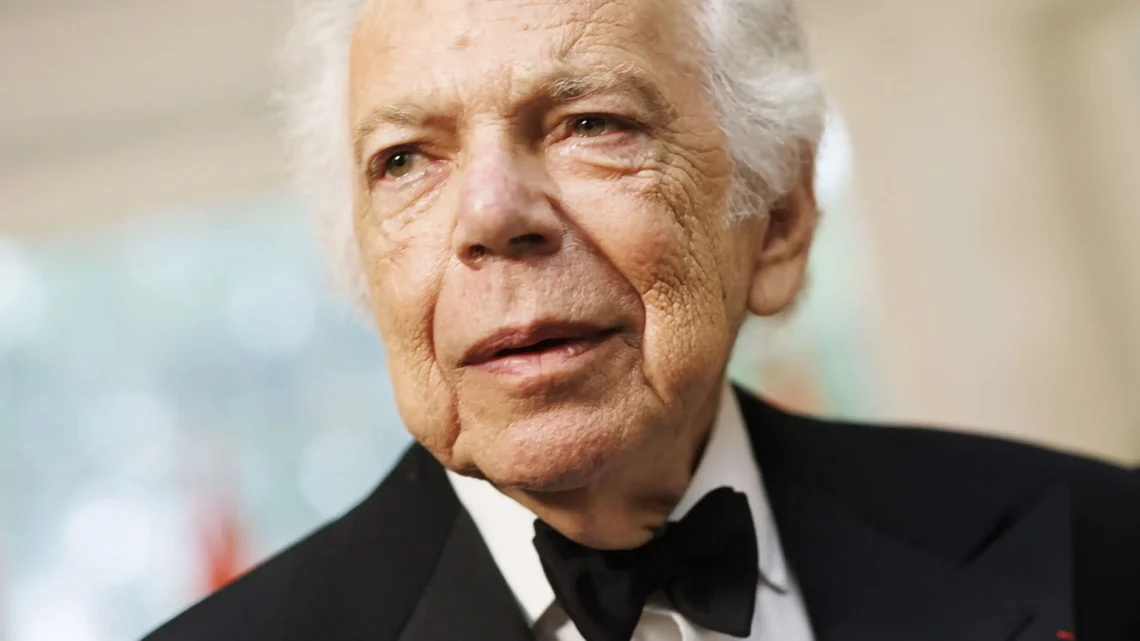
Meet Top 10 Richest Fashion Designers in the World
From Ralph Lauren to Tory Burch, the ten designers whose fortunes were built on ownership, not just talent, and what separates those who kept their labels from those who sold.
In 1858, Charles Frederick Worth, an Englishman working in Paris, did something no dressmaker had done before: he sewed his name into the garments he made.
Until then, clothing reflected the client’s taste. Afterwards, it carried the designer’s signature. Every fortune on this list traces back to that small act of labelling.
Trending Now!!:
For most of the century that followed, a name was still a trade, not an asset. Couture houses served a few thousand clients, and a design career ended when the designer’s hands did.
The shift came in the 1960s and 1970s, when licensing turned a signature into a revenue stream, a model Pierre Cardin took further than most. Designers such as Ralph Lauren and Giorgio Armani then discovered that a point of view could be sold as a whole way of living, from suits to bed linen to hotel suites.
This produced the paradox that shapes the ranking below. The same industry that made designers famous made very few of them rich.
Fame belongs to the person who draws the dress, while wealth belongs to whoever owns the company that sells it. Several of the most celebrated names in fashion history sold their houses early, signed away control, or watched investors capture the growth.



The question of who kept the money has a short answer. The richest fashion designers in the world are Ralph Lauren, with a fortune of $15 billion, followed by the late Giorgio Armani at $12 billion, and Miuccia Prada at $4 billion. Renzo Rosso, Tom Ford, Domenico Dolce, Stefano Gabbana, the late Valentino Garavani, Christian Louboutin and Tory Burch complete the list.
Talent does not set this order. Ownership does. A designer who kept control of the company, or sold it at the right moment, ends up on this list. A designer whose label grew large while someone else held the equity does not.
1. Ralph Lauren — $15 billion
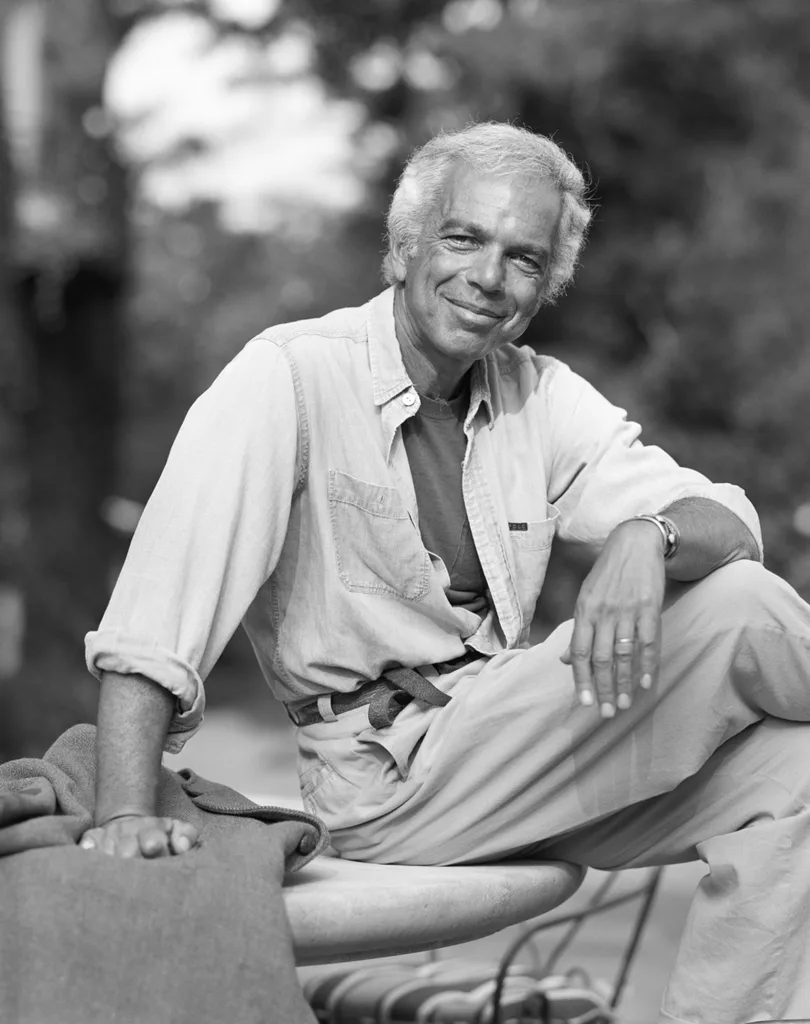
Ralph Lauren holds the largest fortune of any living designer. He started in 1967 by selling neckties under the Polo name, then built the brand into a full lifestyle business spanning clothing, fragrance, home furnishings and restaurants.
The company listed on the stock exchange in 1997, yet Lauren and his family kept voting control through a separate share class. He stepped down as chief executive in 2015 and remains executive chairman and chief creative officer.
Public markets make his number the most volatile on this list. Trackers have placed Lauren anywhere from $13 billion to above $16 billion, depending on the source and the day’s share price. The swing comes from the stock, not from anything he designed.
2. Giorgio Armani — $12.1 billion
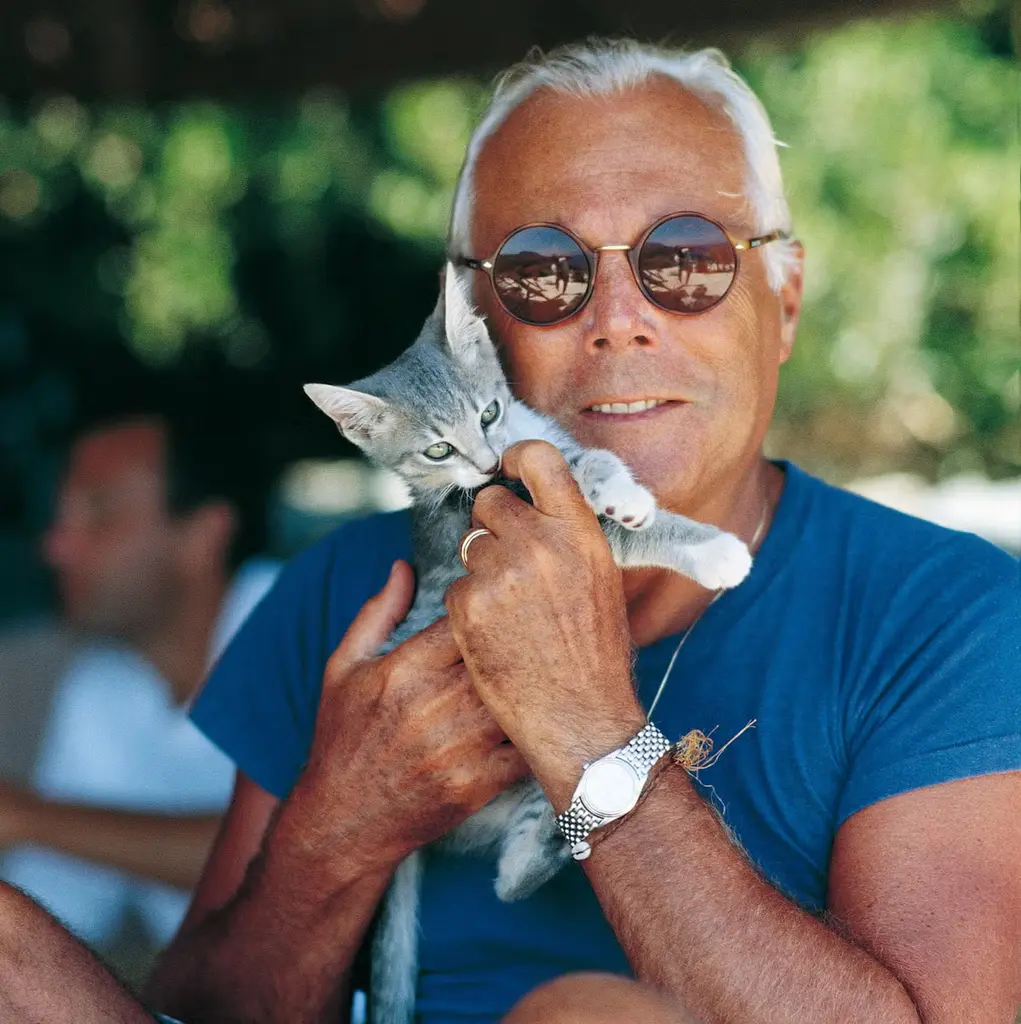
Giorgio Armani died on September 4, 2025, at age 91, and this figure reflects the wealth he held at his death. He founded his house in 1975 with Sergio Galeotti and remained its sole shareholder for five decades. Every euro of company value therefore counted toward his personal fortune.
Even so, two leading billionaire indexes valued him at $9.4 billion and $12.1 billion, a gap that shows how hard private businesses are to price.
The more revealing story is the succession. His will instructs the heirs to sell a 15% stake within 18 months, naming LVMH, L’Oréal and EssilorLuxottica as preferred buyers. A later step allows a stake of 30% to 54.9% to be sold, or an initial public offering.
The Giorgio Armani Foundation must keep at least 30% permanently. Later reports said the family was weighing three equal 5% tranches. Armani, a man famous for refusing outside capital, planned his own succession around it.
3. Miuccia Prada — $4.1 billion
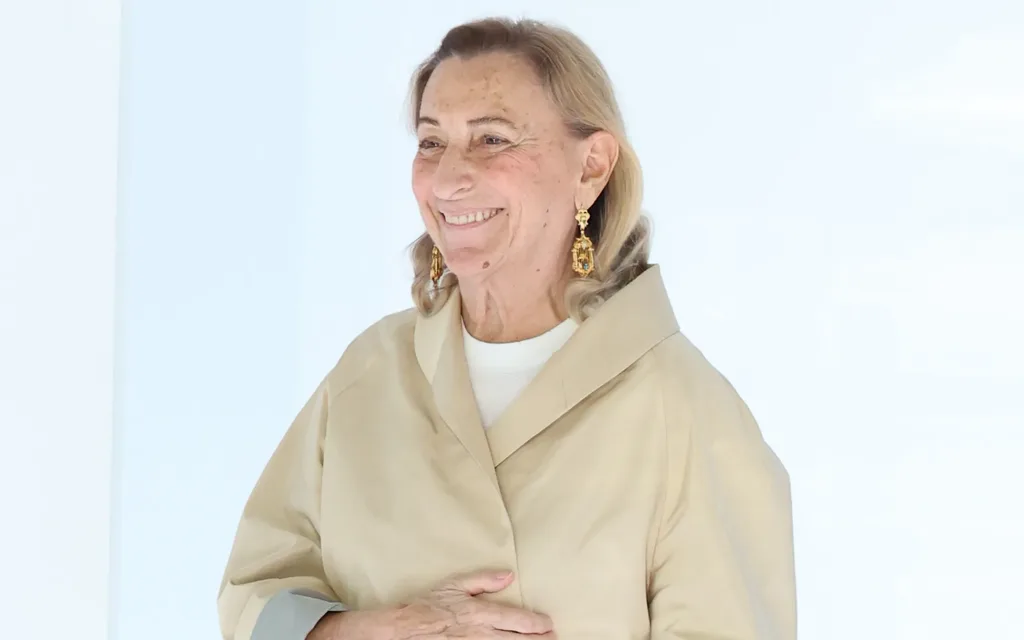
Miuccia Prada is the richest woman on this list and the only designer in the top five who inherited her business. Her grandfather Mario Prada founded the leather goods house Prada in 1913.
She took it over in the late 1970s and changed its direction with black nylon handbags in 1985, proving luxury didn’t have to mean leather. She also founded Miu Miu, now one of the group’s most important brands.
Her husband and business partner, Patrizio Bertelli, holds a comparable fortune of $4 billion. Miuccia Prada no longer holds a co-chief executive role, but she remains the company’s creative force.
Her wealth moves with the share price of a listed group, which is why her estimate has slipped even as the brand’s cultural influence has grown.
4. Renzo Rosso — $3.5 billion
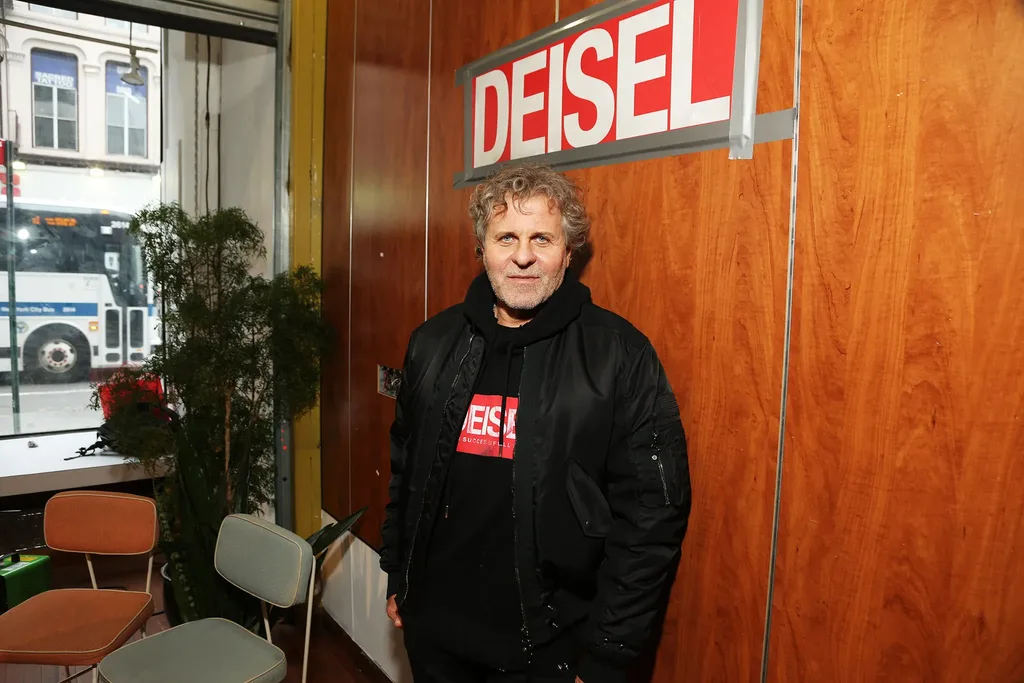
Renzo Rosso founded Diesel in 1978 and turned a denim label into OTB, the group behind Maison Margiela, Marni, Jil Sander and Viktor & Rolf. Estimates of his fortune start at $3.5 billion and run higher.
Rosso is the clearest example on this list of a designer who is really an acquirer. His wealth comes from assembling brands under one holding company, not from drawing a single collection.
OTB has postponed a planned stock market listing, and its most recent reported revenue of 1.8 billion euros ($2.1 billion) came with softer profitability. His fortune rests on a private group whose value depends on how its brands perform in a slow luxury market.
5. Tom Ford — $2.2 billion
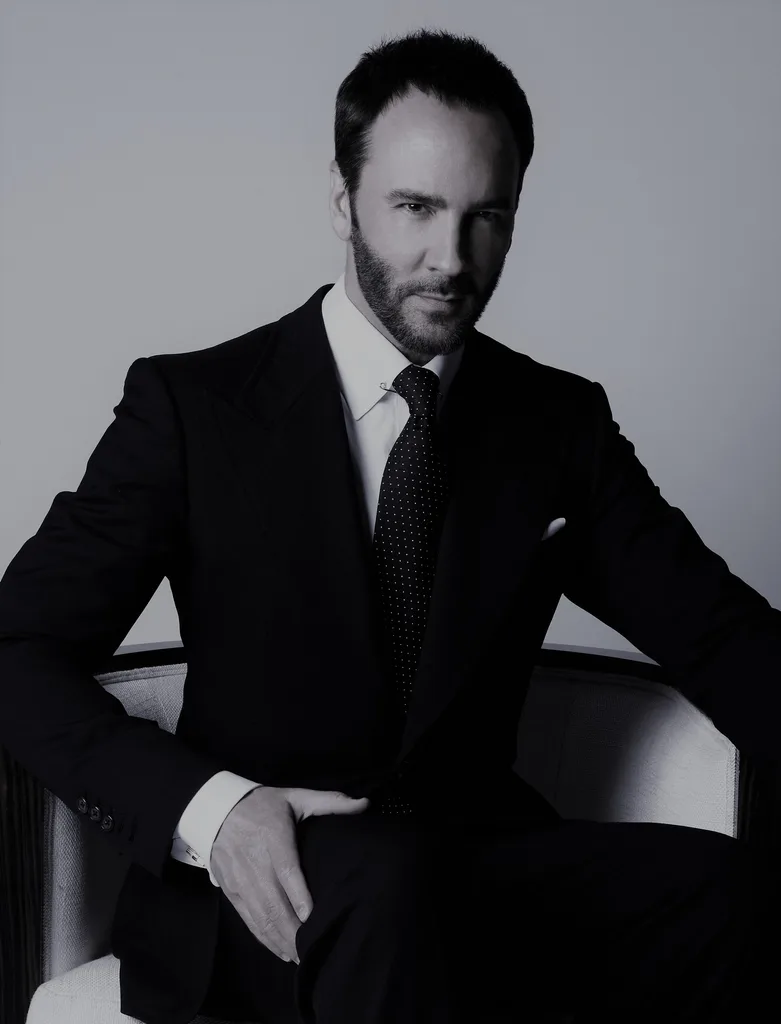
Tom Ford is the exit-strategy case. After reviving Gucci in the 1990s, he launched his own label in 2005.
In November 2022, he sold it to Estée Lauder in a deal valued at $2.8 billion, which included a payment from the eyewear licensee Marcolin. Owning nearly 64% of the company, he received $1.1 billion in cash after taxes.
His fortune stands at $2.2 billion, including real estate and other assets. Compare that with Armani, who kept everything and never cashed out. Ford banked a certain billion in exchange for ownership of the brand’s future growth.
6. Domenico Dolce — $2.1 billion
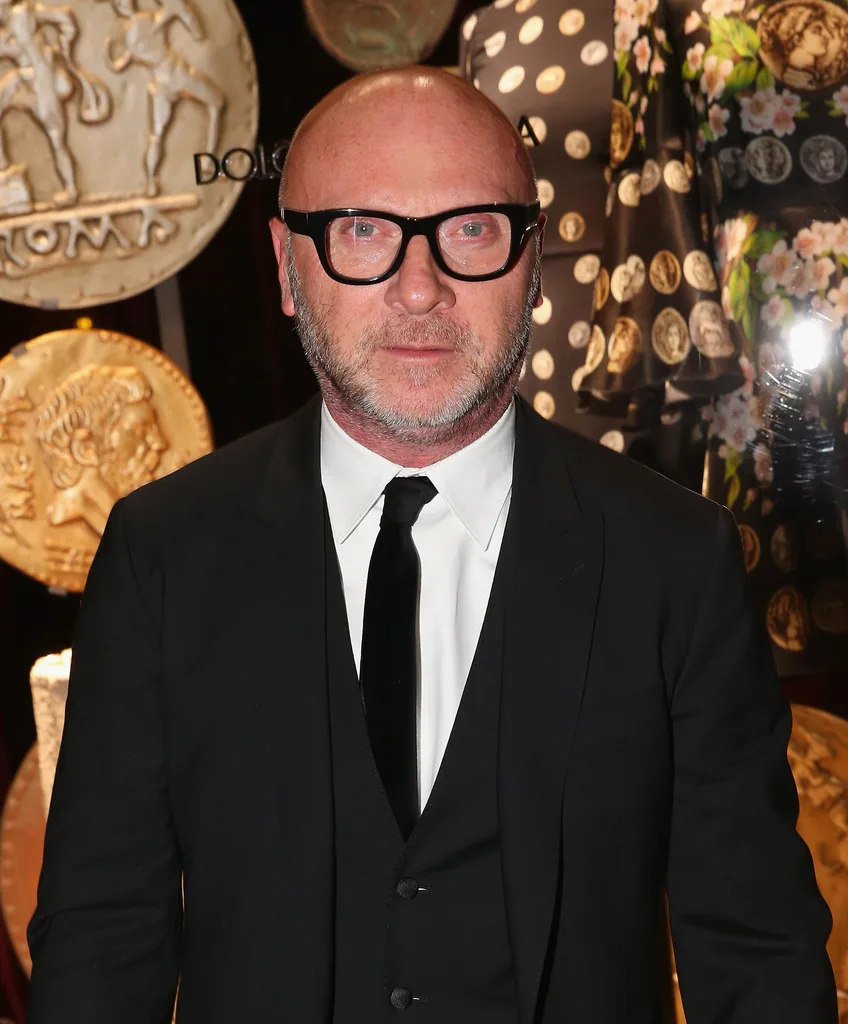
Domenico Dolce, born in Sicily in 1958, co-founded Dolce & Gabbana in Milan in 1985. The house built its identity on Sicilian imagery, corsetry, animal prints and heavy embellishment, and has stayed privately held with the two founders as dominant owners.
Estimates for Dolce vary more than for most designers, from $2.1 billion to $3 billion. The lower figure is the more widely used. A private company with no public share price leaves trackers guessing at revenue multiples.
7. Stefano Gabbana — $2.1 billion
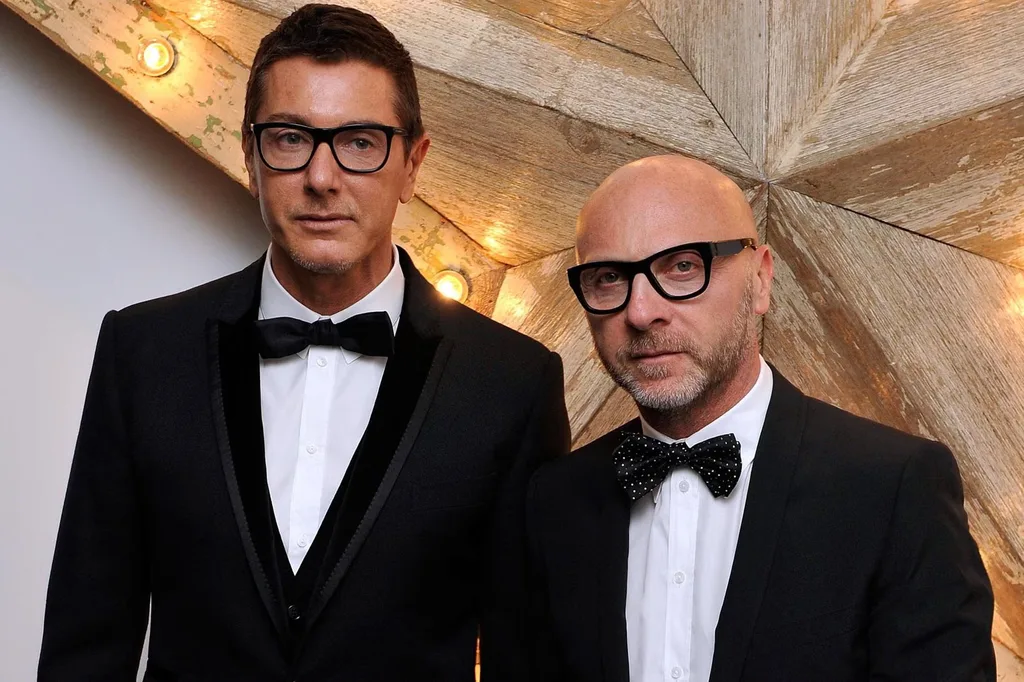
Stefano Gabbana, born in 1962, holds the same fortune as his partner, since the two split ownership equally. Their romantic relationship ended in the early 2000s, but the business partnership continued, and the house has stayed under founder control for four decades.
Shared ownership of this kind rarely lasts. Many fashion partnerships break apart over creative control or the question of a sale. Gabbana and Dolce have avoided both, which is a large part of why the house never needed outside investors.
8. Valentino Garavani — $1.5 billion
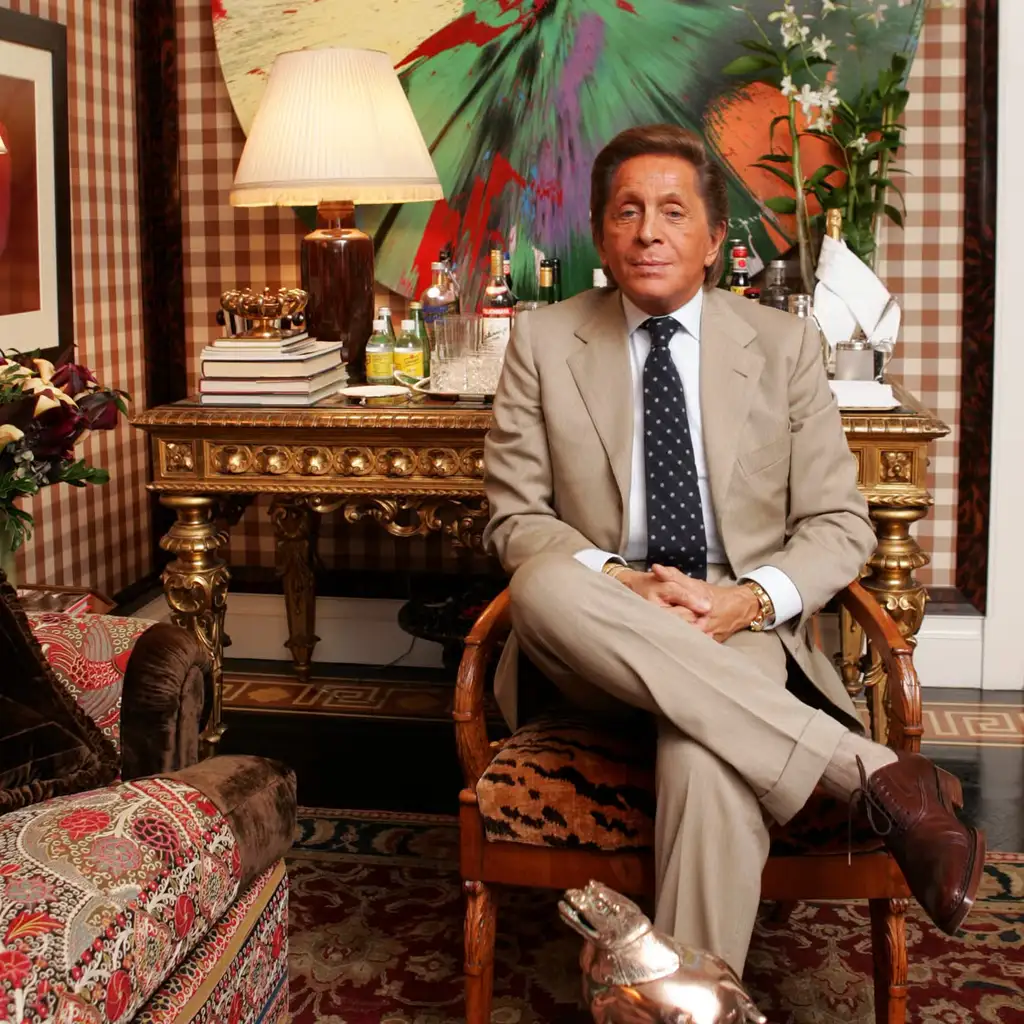
Valentino Garavani died in Rome on January 19, 2026, at the age of 93. He founded his house in 1960 and became the defining name in red-carpet couture, with a signature red that clients still ask for by name.
His fortune stands at $1.5 billion, built from the sale of his company in 1998, licensing income and a property portfolio across Europe and the United States.
Selling early limited his total. The house changed hands again in 2012, when Mayhoola for Investments acquired it, and later growth accrued to owners other than its founder. Reports from Italy said his estate passed to the foundation he ran with his longtime partner Giancarlo Giammetti.
9. Christian Louboutin — $1 billion
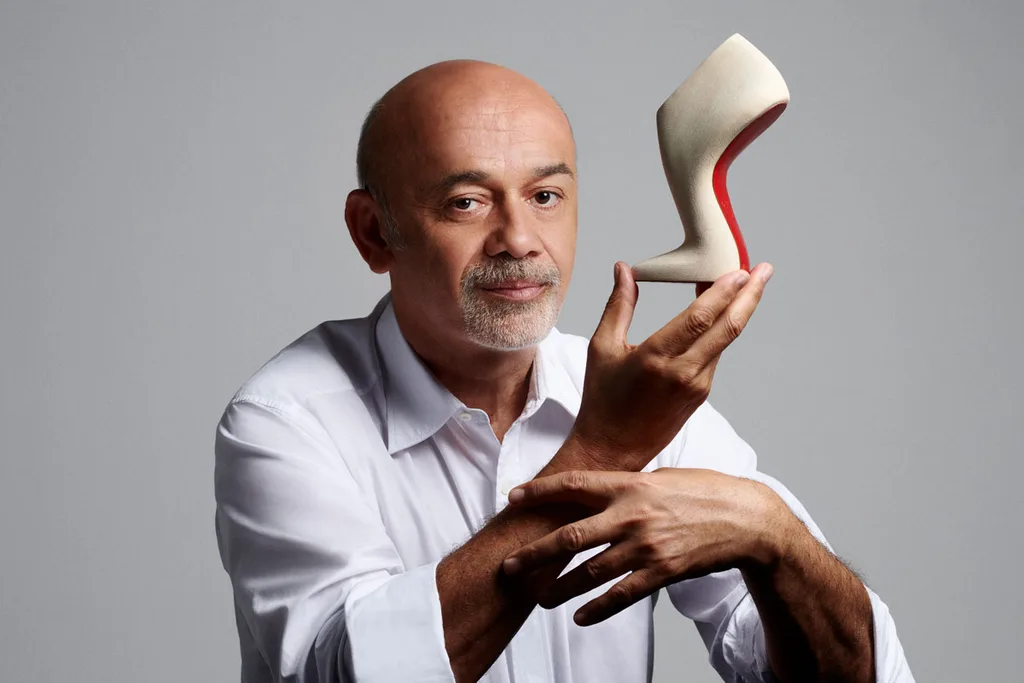
Christian Louboutin became a billionaire in 2024 when the investment firm Exor bought a 24% stake in his company for 541 million euros ($650 million), valuing the brand at $3.2 billion.
He kept 35% of the business. His red lacquered sole has become one of the most recognizable trademarks in luxury.
His fortune has since settled at $1 billion on most estimates. The case matters for any founder weighing a minority stake sale: Louboutin raised outside capital for expansion, especially in China, without surrendering control.
10. Tory Burch — $1 billion
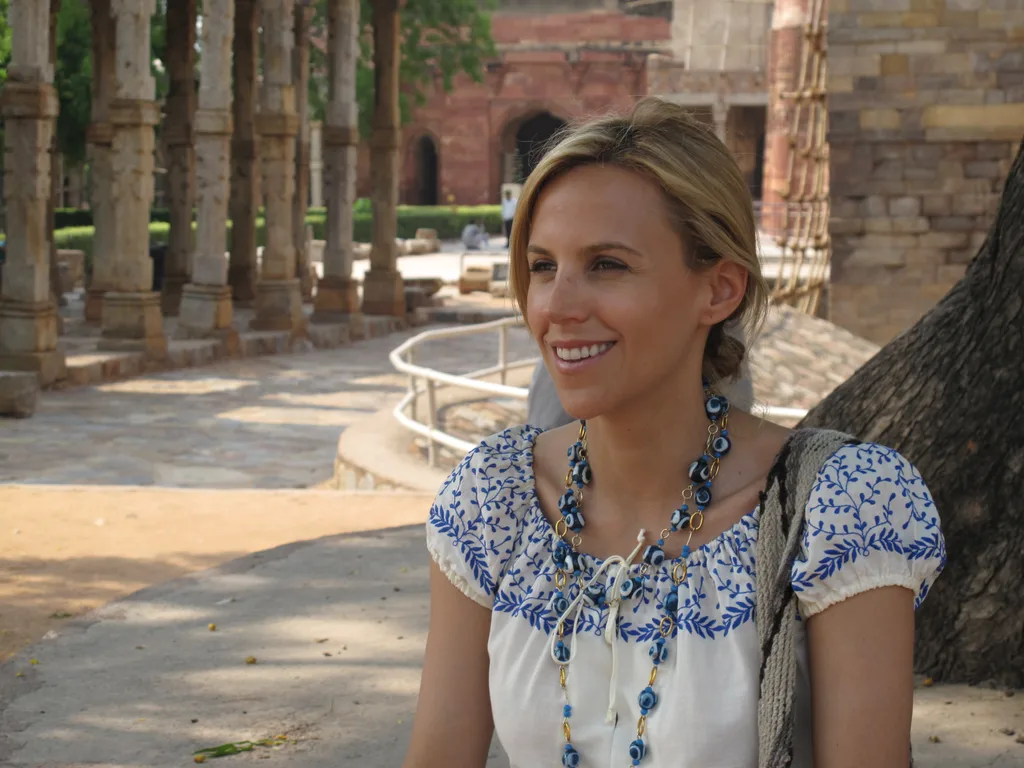
Tory Burch launched her label in 2004 and reached billionaire status in 2013, when her ex-husband sold part of his stake in the company.
Her fortune has hovered at $1 billion ever since, dipping to $850 million in 2019. She is one of the few self-made women in fashion with that distinction.
The company has since added Tory Sport, launched in 2015, and remains privately held. For Burch, the billion-dollar mark depends on a single asset, her stake in her own company, with little diversification beyond it.
What the ranking shows
Three ownership paths explain nearly every position here. Designers who held their companies for decades, such as Armani, Lauren and the founders of Dolce & Gabbana, captured the full growth of their brands.
Designers who brought in partners while keeping control, such as Louboutin, shared the upside in exchange for expansion capital. Designers who sold, such as Ford and Garavani, locked in a certain sum and gave up everything the brand earned afterwards.
The wealth estimates themselves deserve scepticism. A brand’s revenue and a founder’s net worth are different numbers, and private valuations depend on estimated sales multiples that can shift by billions overnight.
The most useful reading of this list is the structure behind each fortune, not the exact dollar figure beside each name.
What People Ask