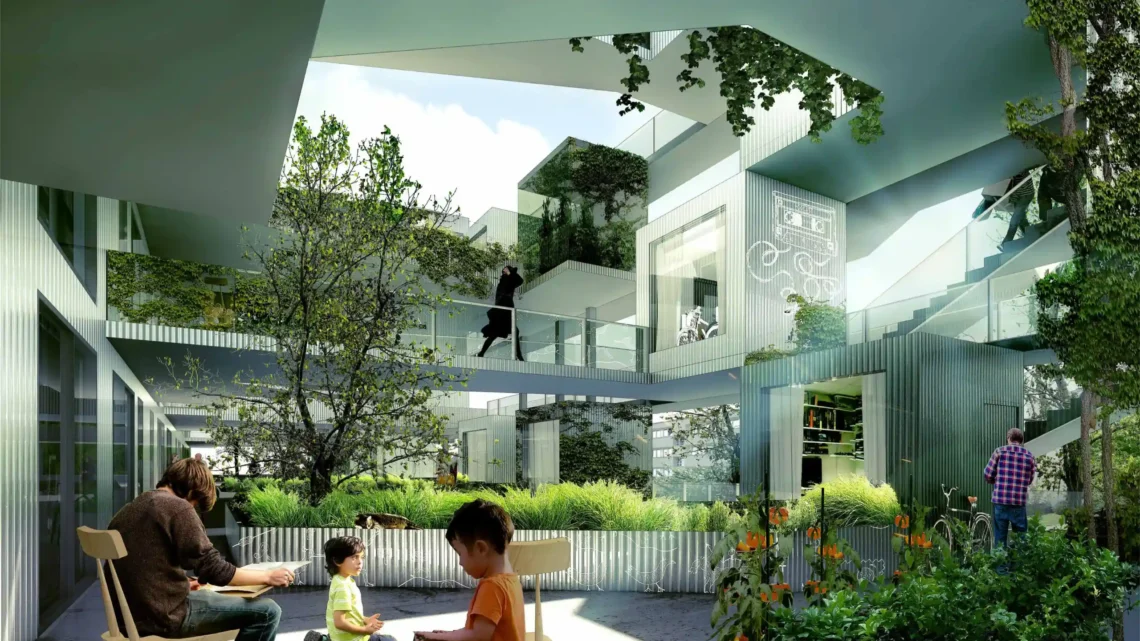
The future of urban living is no longer just about taller skyscrapers or sprawling suburbs—it’s shifting toward compact, adaptable, and water-resilient solutions like micro apartments, modular housing, capsule pods, and even floating towns.
After more than a decade working in urban planning and innovative housing projects—from retrofitting old warehouses into co-living spaces in European cities to consulting on prefab developments in flood-prone coastal areas—I’ve seen firsthand how these ideas move from glossy renderings to lived reality, often with unexpected twists.
Trending Now!!:
- How 3D-Printed Homes Are Disrupting the Housing Market
- The Global Housing Crisis — and Where Opportunities Lie
- Terance Mann Biography: Age, Net Worth, Siblings, Parents, Height, Awards, Team, Salary, Weight, Transfer
- The Aces – BBNaija Biography: Net Worth, Age, Parents, Tribe, Real Names, States, Instagram
- Top 10 Essential Kitchen Gadgets Every Home Cook Needs
The pressure is real: cities are bursting at the seams, housing affordability is a daily crisis for millions, and climate change is forcing us to rethink where and how we build. Traditional approaches—endless high-rises or land reclamation—are hitting hard limits on cost, ecology, and resilience.
What excites me most is the human side: these new forms aren’t just tech demos; they’re forcing us to confront what we really need in a home.
The Rise of Capsule Pods and Micro Apartments: Small Space, Big Lessons
Back in the mid-2010s, I remember touring early expansions of capsule hotels in Tokyo and Singapore. What started as budget crash-pads for overworked salarymen has evolved into sophisticated pod living setups that blend privacy, smart tech, and community.
In cities like London and Amsterdam, we’re now seeing capsule hotels morph into hybrid co-living spaces where young professionals rent pods for months at a time. One project I advised on involved stacking modular pods in a former parking garage.
The units were around 100-150 sq ft, with fold-out beds, hidden storage, and app-controlled lighting/climate. The first residents loved the efficiency—everything was at arm’s reach, and the shared kitchens fostered real connections. But the mistakes were telling: early designs skimped on soundproofing, turning quiet nights into a symphony of neighbors’ snores and phone calls.
We learned fast—acoustic panels became non-negotiable, and adding small “zen nooks” with plants helped combat the claustrophobia some felt after a few weeks. These micro apartments shine for solo dwellers or digital nomads.
They’re affordable, quick to deploy, and perfect for high-density urban centers where sustainable urban living means using less land and energy. The key insight? People adapt surprisingly well to small spaces when the design respects human needs—natural light, good ventilation, and a sense of control.
I’ve seen residents who swore they’d never downsize thrive after a month, because the space forced intentionality: fewer possessions, more experiences.
Modular Housing: Flexibility That Actually Works (Most of the Time)
Modular housing has been my bread and butter for years. Unlike traditional builds that drag on for years, these factory-made units arrive ready to snap together. I’ve overseen projects where we stacked them into mid-rise buildings in under six months—half the time of conventional construction.
A standout example was a workforce housing complex in a growing tech hub. We used stackable modules with customizable interiors: one resident added a home office wall, another turned theirs into a mini-gym. The speed and cost savings were game-changers—affordable housing in a city where rents were skyrocketing. But nuance matters.
Early modular projects often felt sterile; the repetition made neighborhoods monotonous. We fixed this by mixing unit sizes, adding communal terraces, and incorporating local materials for facades. One big lesson: transport logistics.
We once had modules stuck at a port for weeks due to a paperwork glitch—delays that ate into budgets. Now I insist on buffer time and local manufacturing partnerships. The real win is adaptability.
In one coastal city, we designed modules that could be unstacked and relocated if flooding worsened. It’s not just building—it’s future-proofing.
Vertical Cities and Arcologies: Reaching Upward with Human Scale
Vertical expansion is inevitable in land-scarce megacities. I’ve walked through towering developments in Asia where entire ecosystems—farms, offices, homes—stack skyward. These aren’t cold monoliths; thoughtful ones integrate green spaces and public areas to avoid the isolation of high-rises.
A project I consulted on featured sky gardens every few floors, creating “neighborhoods in the sky.” Residents told me it reduced the vertigo of living so high up. But the pitfalls?
Energy use can skyrocket without smart systems, and maintenance is a nightmare if elevators fail. I’ve seen buildings where poor design created social silos—people never leave their floors.
The future here lies in hybrid models: vertical modular housing with shared amenities that encourage mingling.
Floating Towns: When Water Becomes the New Frontier
The most radical shift is the emergence of floating cities and communities. I’ve followed projects like the Maldives Floating City and Oceanix proposals closely. These aren’t sci-fi anymore—modular platforms with buoyant foundations rise as sea levels rise, powered by solar, wind, and desalinated water.
In the Netherlands, I’ve visited floating neighborhoods that feel surprisingly normal: kids bike on floating paths, gardens grow on rooftops. The resilience is incredible—structures adapt to tides, and communities can reconfigure as needs change. But the human side is complex.
One prototype I reviewed faced community pushback: locals worried about isolation and access to services. Early adopters loved the novelty and eco-benefits but missed the solid ground stability during storms. Governance is another hurdle—seasteading experiments (like those backed by the Seasteading Institute) show how quickly politics and regulations complicate things.
A small floating home off Thailand got raided by authorities, reminding us that “freedom at sea” often clashes with national sovereignty. Still, for coastal cities facing rising seas, floating towns offer hope.
Projects in Rotterdam and Busan show modular, climate-resilient designs that integrate vertical farming and renewable energy. The dream? Self-sustaining hubs where people live, work, and thrive on water.
Challenges and the Human Reality
None of this is easy. I’ve seen sustainable urban living initiatives fail because designers forgot people: too much tech, not enough warmth. Affordability remains the biggest barrier—pod living or floating units can still price out average earners without subsidies.
Yet the potential is huge. These innovations force us to rethink ownership, community, and resilience. From capsule pods that teach minimalism to floating communities that embrace fluidity, we’re building homes that evolve with us.
After years in the trenches, I’m optimistic. The future of urban living isn’t about bigger—it’s about smarter, kinder, and more adaptable.
Whether you’re in a stacked pod or a floating neighborhood, the goal remains the same: creating spaces where people can truly live, not just exist.

FAQ
What are capsule pods or capsule homes?
Capsule pods are compact, prefabricated living units inspired by Japanese capsule hotels but evolved for longer stays. They typically feature a bed, storage, lighting, and basic amenities in a space the size of a large single bed or small room. Modern versions often stack or connect modularly in urban settings, offering privacy with shared facilities like kitchens and bathrooms.
Are micro apartments and capsule pods the same as traditional tiny homes?
No, they’re different. Micro apartments and capsule pods are usually fixed modular units in dense urban buildings, focusing on efficiency and stackability. Traditional tiny homes are often on wheels for mobility and emphasize off-grid or rural minimalism. Capsule-style designs prioritize quick factory production and high-density placement in cities.
What are the main benefits of living in capsule pods or micro apartments?
They offer affordability in expensive cities, lower energy use due to small footprints, faster construction through modular methods, and sustainability with reduced waste. Many people find they encourage minimalism, save money on utilities, and foster community through shared spaces—perfect for young professionals, students, or digital nomads.
What are the biggest drawbacks of capsule pods and micro apartments?
Claustrophobia can be real for some—limited space and poor soundproofing lead to privacy issues. Storage is minimal, so you must downsize possessions. Long-term living might feel isolating without good design, and resale or relocation can be tricky compared to traditional homes.
How does modular housing differ from capsule pods?
Modular housing uses factory-built sections that snap together on-site for larger structures, like multi-story buildings or homes. Capsule pods are smaller, individual units often used in clusters. Both are prefabricated for speed and cost savings, but modular allows more customization and scale for families or communities.
Is modular housing a good solution for affordable housing shortages?
Yes, it can cut construction time and costs significantly—often by half—while maintaining quality. It’s especially useful in high-demand urban areas where traditional building delays worsen shortages. However, zoning laws, transportation logistics, and initial factory setup can still pose challenges.
What are floating towns or floating cities?
Floating towns are communities built on buoyant platforms or modular units that rise with water levels. They’re designed for coastal areas facing sea-level rise, using sustainable tech like solar power and desalination. Projects range from small neighborhoods in the Netherlands to ambitious concepts in places like Busan or the Maldives.
Are floating cities realistic and safe for everyday living?
They are becoming more realistic with ongoing prototypes and pilots. Existing floating neighborhoods prove stability, but large-scale versions face challenges like storms, maintenance, regulations, and high initial costs. Safety relies on engineering for waves, tides, and climate extremes, with many designs incorporating resilient materials.
Who is best suited for these innovative urban living options?
They’re ideal for singles, couples without kids, remote workers, students, or anyone prioritizing location, affordability, and low environmental impact over space. Families or those needing lots of storage might find them limiting, though modular and expandable designs are improving options.
How sustainable are these future urban housing trends?
Very sustainable in most cases. Modular and capsule designs reduce construction waste, use energy-efficient materials, and lower utility needs. Floating towns often integrate renewables, water recycling, and minimal land use. The real impact depends on materials, energy sources, and long-term maintenance practices.
Can these housing types be customized or expanded?
Yes, especially modular ones. You can add units, reconfigure layouts, or stack more pods. Some capsule designs allow personalization like smart tech upgrades or interior finishes. Expansion keeps them adaptable as needs change, from solo living to small family setups.
{
“@context”: “https://schema.org”,
“@type”: “FAQPage”,
“mainEntity”: [
{
“@type”: “Question”,
“name”: “What are capsule pods or capsule homes?”,
“acceptedAnswer”: {
“@type”: “Answer”,
“text”: “Capsule pods are compact, prefabricated living units inspired by Japanese capsule hotels but evolved for longer stays. They typically feature a bed, storage, lighting, and basic amenities in a space the size of a large single bed or small room. Modern versions often stack or connect modularly in urban settings, offering privacy with shared facilities like kitchens and bathrooms.”
}
},
{
“@type”: “Question”,
“name”: “Are micro apartments and capsule pods the same as traditional tiny homes?”,
“acceptedAnswer”: {
“@type”: “Answer”,
“text”: “No, they’re different. Micro apartments and capsule pods are usually fixed modular units in dense urban buildings, focusing on efficiency and stackability. Traditional tiny homes are often on wheels for mobility and emphasize off-grid or rural minimalism. Capsule-style designs prioritize quick factory production and high-density placement in cities.”
}
},
{
“@type”: “Question”,
“name”: “What are the main benefits of living in capsule pods or micro apartments?”,
“acceptedAnswer”: {
“@type”: “Answer”,
“text”: “They offer affordability in expensive cities, lower energy use due to small footprints, faster construction through modular methods, and sustainability with reduced waste. Many people find they encourage minimalism, save money on utilities, and foster community through shared spaces—perfect for young professionals, students, or digital nomads.”
}
},
{
“@type”: “Question”,
“name”: “What are the biggest drawbacks of capsule pods and micro apartments?”,
“acceptedAnswer”: {
“@type”: “Answer”,
“text”: “Claustrophobia can be real for some—limited space and poor soundproofing lead to privacy issues. Storage is minimal, so you must downsize possessions. Long-term living might feel isolating without good design, and resale or relocation can be tricky compared to traditional homes.”
}
},
{
“@type”: “Question”,
“name”: “How does modular housing differ from capsule pods?”,
“acceptedAnswer”: {
“@type”: “Answer”,
“text”: “Modular housing uses factory-built sections that snap together on-site for larger structures, like multi-story buildings or homes. Capsule pods are smaller, individual units often used in clusters. Both are prefabricated for speed and cost savings, but modular allows more customization and scale for families or communities.”
}
},
{
“@type”: “Question”,
“name”: “Is modular housing a good solution for affordable housing shortages?”,
“acceptedAnswer”: {
“@type”: “Answer”,
“text”: “Yes, it can cut construction time and costs significantly—often by half—while maintaining quality. It’s especially useful in high-demand urban areas where traditional building delays worsen shortages. However, zoning laws, transportation logistics, and initial factory setup can still pose challenges.”
}
},
{
“@type”: “Question”,
“name”: “What are floating towns or floating cities?”,
“acceptedAnswer”: {
“@type”: “Answer”,
“text”: “Floating towns are communities built on buoyant platforms or modular units that rise with water levels. They’re designed for coastal areas facing sea-level rise, using sustainable tech like solar power and desalination. Projects range from small neighborhoods in the Netherlands to ambitious concepts in places like Busan or the Maldives.”
}
},
{
“@type”: “Question”,
“name”: “Are floating cities realistic and safe for everyday living?”,
“acceptedAnswer”: {
“@type”: “Answer”,
“text”: “They are becoming more realistic with ongoing prototypes and pilots. Existing floating neighborhoods prove stability, but large-scale versions face challenges like storms, maintenance, regulations, and high initial costs. Safety relies on engineering for waves, tides, and climate extremes, with many designs incorporating resilient materials.”
}
},
{
“@type”: “Question”,
“name”: “Who is best suited for these innovative urban living options?”,
“acceptedAnswer”: {
“@type”: “Answer”,
“text”: “They’re ideal for singles, couples without kids, remote workers, students, or anyone prioritizing location, affordability, and low environmental impact over space. Families or those needing lots of storage might find them limiting, though modular and expandable designs are improving options.”
}
},
{
“@type”: “Question”,
“name”: “How sustainable are these future urban housing trends?”,
“acceptedAnswer”: {
“@type”: “Answer”,
“text”: “Very sustainable in most cases. Modular and capsule designs reduce construction waste, use energy-efficient materials, and lower utility needs. Floating towns often integrate renewables, water recycling, and minimal land use. The real impact depends on materials, energy sources, and long-term maintenance practices.”
}
},
{
“@type”: “Question”,
“name”: “Can these housing types be customized or expanded?”,
“acceptedAnswer”: {
“@type”: “Answer”,
“text”: “Yes, especially modular ones. You can add units, reconfigure layouts, or stack more pods. Some capsule designs allow personalization like smart tech upgrades or interior finishes. Expansion keeps them adaptable as needs change, from solo living to small family setups.”
}
}
]
}