What Your Smartwatch Can Detect, and What It Cannot
Wrist sensors can flag several serious health warning signs, but their blind spots make a quiet screen a poor substitute for a clean bill of health.
A watch can spot an irregular heartbeat while its owner reads on the sofa, then stay completely blind to a heart attack unfolding in the same chair. Both facts come from the same small device, and confusing them can cost precious time.
Certain smartwatches can flag signs of atrial fibrillation, possible high blood pressure, moderate to severe sleep apnea, hard falls and, on some models, loss of pulse.
Trending Now!!:
They cannot rule out disease, diagnose a heart attack or stroke, or measure blood sugar through the skin. An alert warrants follow-up. Silence proves little.
Detection is Not Diagnosis
Health features on a watch fall into two broad groups. Some have been through review by a medical regulator, such as the US Food and Drug Administration (FDA), for a narrowly defined job. Others are wellness features, including many sleep scores, stress ratings and recovery numbers, designed to inform habits rather than identify illness.
“FDA-cleared” is a limited label. It applies to a particular function, used in a particular way by a particular group of people. It does not extend to everything else the watch measures. A model can carry a cleared heart rhythm feature alongside a calorie estimate that has had no comparable review.



Availability also varies by country, model, software version and age. A feature advertised in one market may be missing or disabled in another.
Two terms explain most of the performance figures. Sensitivity is the share of people with a condition whom a test catches. Specificity is the share of people without it whom the test correctly leaves alone. A feature can be very good at avoiding false alarms and still miss many real cases.
Atrial Fibrillation is the Strongest Heart Use Case
Atrial fibrillation, or AFib, is an irregular rhythm starting in the heart’s upper chambers. It raises the risk of stroke, can cause no obvious symptoms and may come and go. A device worn for hours has a chance to catch what a brief clinic visit misses.
Watches approach the problem in two ways, which owners often mistake for one.
Background Rhythm Alerts
An optical sensor shines light into the skin and tracks changes in blood flow with each pulse. Software looks for irregular spacing between beats. On Apple Watch, these checks happen only occasionally, when conditions allow a usable reading. The feature is not continuous heart monitoring.
The large Apple Heart Study, run with Stanford Medicine and funded by Apple, enrolled 419,297 people. Only 0.52% received an irregular pulse notification over a median of 117 days. Among notified participants who later returned a usable electrocardiogram (ECG) patch, 34% showed AFib while wearing it.
The 34% figure does not mean the other alerts were all false. The patches went on about 13 days after notification, on average, and AFib can be intermittent. In cases where another alert occurred during patch monitoring, 84% matched AFib on the patch at the same moment. These results describe one algorithm and study population, not every watch.
Apple’s alert is intended for people aged 22 or older who have not already been diagnosed with AFib. People with a diagnosis may be offered a separate AFib history feature, which estimates how much time the heart spends in that rhythm.
The Wrist ECG
An ECG app works differently. The wearer touches an electrode, often on the crown or a button, completing a circuit that records the heart’s electrical activity. The recording usually takes about 30 seconds and captures that window only.
In an Apple clinical trial of about 600 people, its ECG app showed 98.3% sensitivity for AFib and 99.6% specificity for normal sinus rhythm among recordings it could classify. The final condition matters. Everyday use can produce more unreadable results than a controlled study.
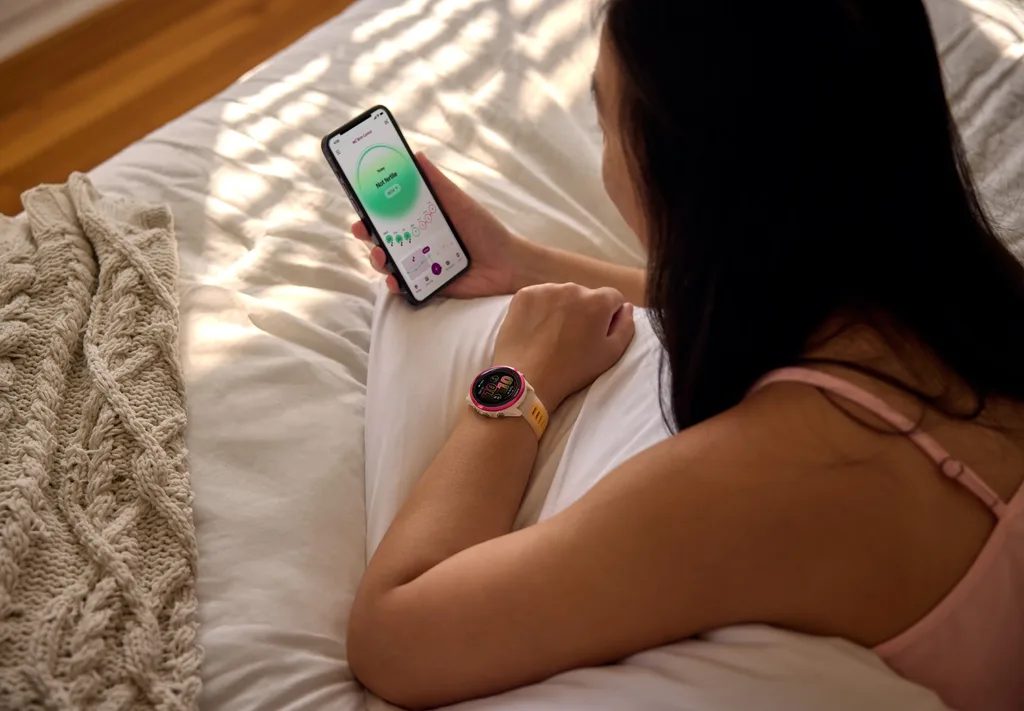
Movement, a loose band, moisture and electrical interference can spoil a trace. Current versions of Apple’s app check for AFib only at heart rates from 50 to 150 beats per minute, and older versions stop at 120. The app is not intended for anyone under 22. People with pacemakers or implanted defibrillators may get inconclusive results.
A normal result, labeled sinus rhythm, applies to that recording. It cannot show what the heart did an hour earlier, and it does not certify a healthy heart. Someone with recurring palpitations or fainting needs medical assessment even after a string of normal traces. A doctor may order a patch or portable heart monitor that records for much longer.
Heart Attacks and Strokes are Beyond Its Reach
The most dangerous misunderstanding starts with the word ECG. A hospital ECG commonly uses 12 leads, viewing the heart’s electrical activity from several angles. A wrist recording usually provides one. Doctors also investigate a suspected heart attack with symptoms, examination, repeat tracings and blood tests.
Apple states plainly that its ECG app cannot detect a heart attack. It also does not detect blood clots, stroke, heart failure or high cholesterol, and it is not designed to identify most other rhythm disorders. Consumers should not assume another brand’s wrist ECG fills those gaps.
Chest pressure, pain or tightness is a reason to call emergency services immediately, whatever the watch says. Other possible heart attack signs include breathlessness, cold sweat, nausea, lightheadedness and discomfort in the arm, back, neck, jaw or stomach. Sudden face drooping, arm weakness, speech difficulty, loss of balance or vision changes can signal a stroke. Taking another recording only delays care.
High and low heart rate notifications need the same caution. They can draw attention to a number outside a set threshold, but they cannot establish its cause. Exercise, fever, stress, medication, fitness level and rhythm disorders can all affect pulse. A persistent unexplained change deserves discussion with a clinician; one accompanied by fainting, chest pain or serious breathing difficulty is an emergency.
Blood Pressure Alerts Miss Many Cases
A notification about possible hypertension is different from a blood pressure reading. Apple’s cleared feature analyzes optical sensor data over 30-day periods and looks for a pattern associated with high blood pressure. It gives no systolic or diastolic number.
Its main validation used home cuff readings as the comparison and defined hypertension as an average of 130/80 mmHg or higher. Sensitivity was 41.2%, while specificity was 92.3%. It caught 53.7% of people with stage 2 hypertension, the more severe category assessed, so it still missed many.
A hypothetical calculation shows the consequence. Take 1,000 eligible adults and assume 300 have undiagnosed hypertension. Applying the study’s overall figures gives these approximate results:
- About 124 people with hypertension receive an alert.
- About 176 people with hypertension receive none.
- About 54 people without hypertension receive an alert.
- About 646 people without hypertension receive none.
In this example, roughly 70% of alerts are correct. About one in five people without an alert still has hypertension. Reduce the starting rate to 100 in 1,000, and only about 37% of alerts are correct. The meaning of a notification therefore depends partly on how likely the condition was before the watch checked.
The feature is not a way to monitor treatment or diagnosed hypertension, and it is not intended for use during pregnancy or by people under 22. After an alert, the sensible next step is to measure with a validated upper-arm cuff over several days, ideally a week, using correct seated technique, then share the readings with a clinician. Very high readings with chest pain, breathlessness, weakness, confusion or vision changes require emergency care.
Some other wearables display blood pressure estimates. US policy now allows certain noninvasive estimates to be offered as wellness features without device review, provided they meet conditions that include staying clear of medical uses. A number on the screen is therefore no proof of regulatory clearance.
Buyers should check the exact feature, its calibration requirements and whether it has been validated and authorized for the intended purpose. Medication should never be changed on the strength of a wellness estimate.
Sleep Apnea Screening Can Flag Risk
Obstructive sleep apnea involves repeated narrowing or blockage of the upper airway during sleep. Loud snoring, witnessed pauses in breathing, gasping, morning headaches and daytime sleepiness can all be warning signs.
Some Apple Watch and Samsung Galaxy Watch models have authorized features that assess signs of moderate to severe apnea. Their methods differ. Apple uses motion sensing to track breathing disturbances over 30-day windows, with at least 10 nights of data.
Samsung’s feature uses blood oxygen signals across two nights within a 10-day period. Apple’s version is intended for adults 18 or older without an apnea diagnosis; Samsung’s US authorization covers adults 22 or older.
In the regulatory study of Apple’s feature, overall sensitivity for moderate to severe apnea was 66.3%, and specificity was 98.5%. About one in three cases in that combined group went unflagged. No participant in the normal range received a false notification.
Severity changed the picture sharply. Apple’s validation found sensitivity of about 89% for severe apnea but only 43% for moderate apnea. A quiet watch is especially weak reassurance for someone with symptoms.
Neither feature replaces a sleep study. Clinicians may use a home sleep apnea test or overnight polysomnography, depending on the person’s symptoms and medical history. An alert, or persistent symptoms without one, justifies that conversation.
Dangerous sleepiness while driving needs prompt attention, and the person should stop driving until it is safe to resume.
Sleep Duration is More Useful Than Sleep Stages
A watch does not normally observe sleep the way a laboratory does. Polysomnography records brain activity, eye movements, muscle tone and other signals. Most watches infer sleep from movement and pulse patterns.
A study of 62 adults compared six wrist devices with polysomnography. Each correctly identified more than 90% of sleep periods but only about 29% to 52% of wake periods. Someone lying still but awake can easily be counted as asleep.
Stage estimates deserve more skepticism. In a separate comparison, Apple Watch Series 8 underestimated deep sleep by 43 minutes on average and overestimated light sleep by 45 minutes. Results vary by device and algorithm, and updates can change performance.
The better use is to watch broad patterns over weeks: bedtime, wake time and approximate sleep duration. One night showing little deep sleep cannot diagnose a sleep disorder. A good score also cannot cancel insomnia, marked fatigue or breathing pauses noticed by a partner. Anyone who becomes anxious about nightly scores may get more value from checking them less often.
Blood Oxygen Readings Have Important Blind Spots
Blood oxygen saturation, often shown as SpO2, estimates how much of the blood’s hemoglobin is carrying oxygen. Many wrist readings are intended for wellness rather than medical use. Fit, motion, cold skin and poor circulation can interfere with optical measurement.
The FDA has also identified concerns that pulse oximeters, including the fingertip type, may be less accurate in people with darker skin. Other influences include skin thickness, skin temperature and tobacco use, while nail polish matters for fingertip devices. Wellness oximeters are not reviewed by the agency for medical accuracy before sale.
A normal wrist number should not override severe breathlessness, blue or gray lips, confusion or chest pain. Those symptoms need urgent care. An unexpected low reading without distress can be repeated under good conditions, but repeated low results or symptoms warrant medical advice. People managing lung or heart disease should use the device and action thresholds their care team recommends.
No Smartwatch Sensor Reliably Measures Blood Sugar Alone
The firmest limit concerns glucose. The FDA has warned consumers not to rely on smartwatches or smart rings claiming to measure blood sugar without piercing the skin. It has not authorized any such watch or ring to measure or estimate glucose on its own.
A watch can legitimately display data from a compatible continuous glucose monitor (CGM). The measurement comes from a separate sensor, which has a small filament under the skin or is otherwise inserted into the body. The watch acts as a screen and alert device.
The distinction can prevent serious harm. A false glucose value could lead someone to take the wrong amount of insulin or another glucose-lowering medicine. Product listings promising needle-free sugar checks from the watch alone should be rejected, even when the packaging looks medical, or the app produces plausible numbers. A watch also cannot diagnose diabetes.
Falls, Crashes and Loss of Pulse Trigger Safety Tools
Some of a watch’s most practical features recognize events rather than diseases. Motion sensors can identify patterns consistent with a hard fall or a severe car crash. After a suspected event, supported devices can prompt the wearer and may contact emergency services.
Neither feature catches everything. A slow slide from a chair may not resemble a hard fall, while vigorous activity can trigger a false alert. Apple warns that its devices cannot detect all falls or crashes. Its fall feature turns on automatically for users whose entered age is 55 or older, but eligible younger adults may need to enable it. Turning off wrist detection can also stop automatic emergency calling after a fall.
Certain Google Pixel Watch models, beginning with Pixel Watch 3, offer loss of pulse detection in supported regions. The watch checks on the wearer and can call emergency services if there is no response. It may miss events and cannot determine why a pulse disappeared.
It is not intended for users under 22 or those identified as being at high risk of sudden cardiac death, including some people with coronary artery disease, cardiomyopathy or unexplained fainting. It does not replace prescribed cardiac monitoring.
Emergency features also depend on power, correct settings, fit and a working connection. A non-cellular watch may need its paired phone nearby. Households buying a watch for an older relative should check the emergency contacts, regional support, charging routine and behavior away from the phone. Someone who needs dependable round-the-clock assistance may need a monitored medical alert service. Its monthly fee, coverage area and cancellation terms are worth comparing with the watch’s price and any mobile plan.
Fitness Metrics are Better for Trends Than Precision
Heart rate is among the more dependable wrist measurements, particularly under stable conditions. Accuracy can deteriorate during intense or irregular movement, with a loose fit or poor skin contact. Interval training and weightlifting can be harder to track than rest or steady exercise. A chest strap may suit athletes who need tighter heart rate measurement during workouts.
Calories are a weaker measure. A watch does not directly measure energy burned. It estimates it from signals and personal details such as body size, age and movement. Research has found large and inconsistent errors, even where heart rate agreement is much better. Eating back the exact calorie total shown after exercise gives the estimate more authority than it deserves.
Step counts are useful for comparing activity from week to week, although pushing a stroller, carrying objects or using a walking aid can change wrist movement and distort totals. Estimates of cardio fitness, including VO2 max, are also calculations rather than laboratory gas measurements. A sustained direction over similar workouts is more informative than a one-day jump.
Stress, Illness and Ovulation Signals Need Context
Stress scores commonly draw on heart rate or heart rate variability, the changing intervals between beats. Physical exertion, poor sleep, alcohol, illness and emotion can influence those signals. A high score cannot reveal why the body changed, and it does not diagnose anxiety or another mental health condition. Persistent distress deserves support even when the watch looks calm.
Overnight temperature, resting pulse and breathing rate can show departures from a personal baseline. They may prompt someone to notice illness, recovery strain or a changed routine. They cannot identify a specific infection, prove someone is healthy or decide whether a person is contagious. A wrist temperature trend also differs from taking body temperature with a thermometer.
Temperature can help estimate ovulation after it has happened. Apple provides retrospective estimates on supported watches but says its cycle tracking should not be used as birth control. These estimates do not confirm that ovulation occurred. Natural Cycles is a separate FDA-cleared contraception app that can use compatible wearable temperature data under its own instructions. Its clearance does not turn the watch’s built-in cycle predictions into contraception.
None of the features above is a screening test for cancer. A reassuring dashboard should never postpone recommended screening or assessment of a new lump, unexplained bleeding, persistent weight loss or other concerning change.
A Five-Point Test Before Trusting an Alert
Before buying a watch or acting on a health result, apply this checklist:
- Exact purpose: Find the claim for the specific function. “Tracks,” “estimates,” “screens” and “diagnoses” mean very different things.
- Eligibility: Check age, pregnancy restrictions, existing diagnoses, implanted devices and country availability.
- Sampling: Establish whether it checks on demand, intermittently, overnight or during particular windows. Few health functions watch for everything all the time.
- Missed cases: Look for sensitivity as well as an overall accuracy claim. A rarely mistaken alert can still overlook many people.
- Next action: Know which result calls for a repeat reading, a medical appointment, a confirmatory test or emergency help.
The same checklist can sharpen a buying decision. Compare features that work with the buyer’s phone, exact model and location before paying for a premium version. Account for subscriptions, cellular service, accessories and battery life.
A watch left charging through the night cannot collect sleep data, while an uncomfortable one may spend most of its life in a drawer. Privacy controls matter too: health information shared with apps or family members deserves the same care as other sensitive records.
Bring to any medical appointment the original ECG recording or cuff log, the dates of alerts, symptoms at the time, medications and any relevant activity. A screenshot of a score is less informative than the underlying pattern and context. The most useful rule is asymmetrical: investigate a meaningful warning, but never let a missing warning dismiss serious or persistent symptoms.
What People Ask