Debugging at 2 AM, I Found an Exploit That Could Take Down a Tech Giant
Last month, I took on what looked like a normal freelance web development project.
A referral through Twitter. Clean UI brief. A fintech startup that wanted a responsive landing page, integrated with Stripe, SEO-optimized, and built with Next.js.
Trending Now!!:
The client, “Michael,” seemed professional—emails were crisp, payment terms clear. He even paid the 30% upfront.
As a full-stack developer trying to scale my freelancing into a full agency, I didn’t question anything. In fact, I was hyped. Projects like this were how I was building my brand.
I wrote blog posts, updated my GitHub, optimized the frontend for speed and the backend for scalability. I even did keyword research for SEO—terms like “crypto wallet Nigeria,” “buy Bitcoin fast,” and “secure blockchain transactions.”
By the second week, the site was live—flawless. Mobile-first, fast load time, ADA compliant. Even used schema markup to improve the site’s SERP performance. Michael was thrilled. So thrilled, he paid the remaining 70% early and sent a small tip “for the amazing effort.”




Then, it happened.
Two weeks later, I got a DM from a random Twitter user:
“Bro, you built this scam site?”
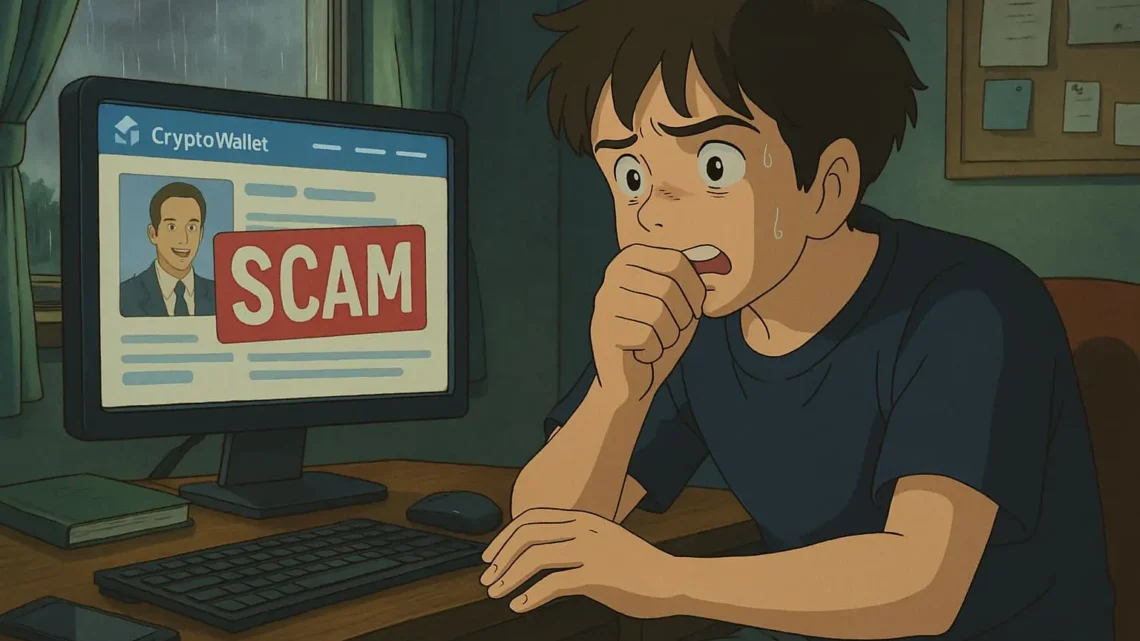
Attached was a screenshot of the exact landing page I had built, now trending on Reddit. The startup I thought I was helping build? A full-on crypto phishing scam.
The testimonials I had added? Fake. The domain name? Bought with stolen cards. The “team members” listed on the About page? Stock photos—one of them was literally from a toothpaste ad.
My email address was even in the source code.
And now… people thought I was part of it.
At first, I panicked.
I messaged Michael.
Bounceback.
His email was gone. Website—down.
Stripe? Disabled.
Twitter? Deleted.
That night, I couldn’t sleep. I had optimized the site’s SEO so well, my name was showing up in Google search results next to “crypto scam.” Clients started ghosting me. I lost two contracts in a week.
The worst part? I did everything right—except the one thing that mattered: due diligence.
I should’ve verified the company. Checked domain history. Asked deeper questions. But I was too focused on conversions and clean code, not character.
Eventually, I wrote a public blog post about the experience:
“How I Accidentally Helped Build a Crypto Scam Website”
It went viral.
People appreciated the honesty. I broke down how to vet clients, how to remove your name from malicious code indexing, and how devs can protect their digital reputation.
I even got invited to speak at a virtual DevSec conference.
From it, I landed real clients—ethical startups, a Web3 education platform, and a nonprofit.
So yeah, I got scammed.
But I turned the source code of my biggest failure into the framework of my biggest comeback.
Sometimes in web development, the bug isn’t in your code.
It’s in your judgment.