When Celebrity Names Become Business Empires
There was a time when putting a celebrity’s name on a product usually meant an endorsement deal. A famous face appeared in an advertisement, collected a cheque, and moved on.
Today, many stars want considerably more than that. They are becoming founders, investors and, increasingly, the names above the door.
Trending Now!!:
Beauty companies, drinks, restaurants and fashion labels have all become extensions of celebrity careers. The interesting shift is that fame itself is no longer necessarily the final product. It can be the starting point for building something much bigger.
Lisa Vanderpump Is Taking Her Name to a Hotel
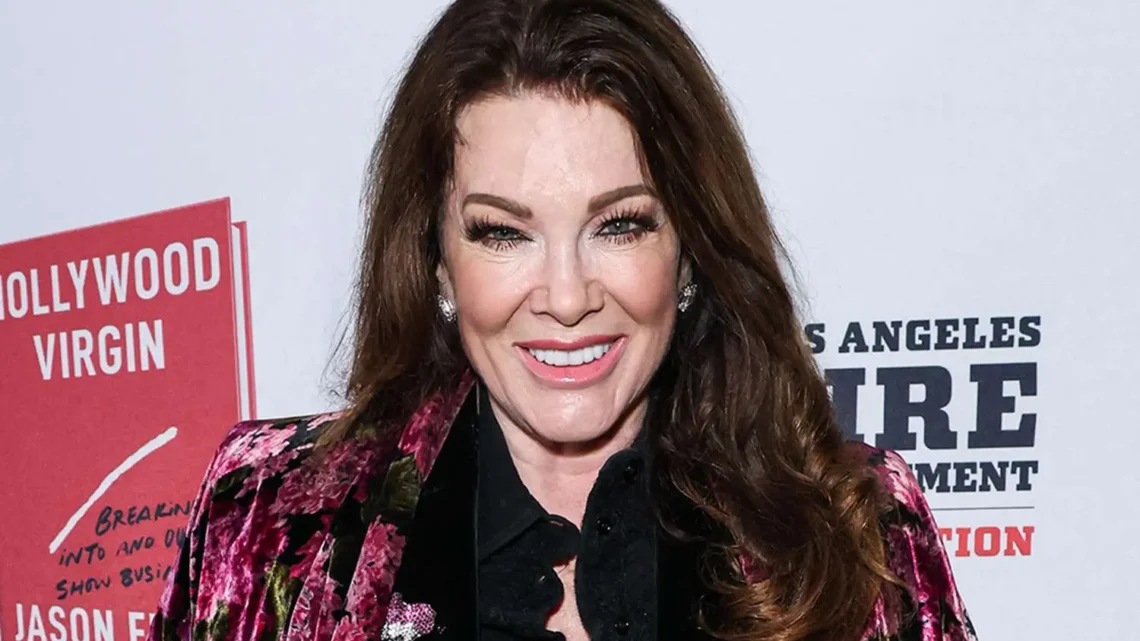
Lisa Vanderpump offers a particularly literal example of what celebrity branding can become. Her name has already travelled far beyond reality television through restaurants, bars and other hospitality ventures. Now it is moving onto an entire Las Vegas hotel.
Bravo’s Vanderpump Rules: Lisa Las Vegas will follow the transformation of The Cromwell into the Vanderpump Hotel, bringing Vanderpump’s television identity directly into her growing hospitality business. Casino.com covers the Lisa Vanderpump Las Vegas series and the plans surrounding the hotel, where reality television, hospitality and the unmistakable spectacle of Las Vegas will meet in one project.
What makes the idea stand out is that Vanderpump isn’t simply appearing in an advertising campaign for someone else’s property. Her name is becoming part of the destination itself. Guests will be able to walk through a space designed around a brand that has been built across television, restaurants and nightlife.



Fame Can Solve the First Business Problem
Every new company has to answer a difficult question: how will anybody notice it?
Celebrities begin with an obvious advantage. Their names already generate searches, headlines and social media conversations. A new restaurant owned by an unknown entrepreneur has to introduce itself from scratch. One attached to a familiar television personality arrives with an existing story.
Recognition doesn’t guarantee success. Customers can arrive because of a famous name and still leave disappointed.
What it can provide is an unusually powerful launch. An established audience becomes a potential first group of customers, while entertainment coverage can create the kind of attention another business might have to spend heavily to achieve.
Some Stars Are Building Beyond Endorsements
Promoting a company and building one are two very different things.
Rihanna’s Fenty Beauty demonstrates how far the celebrity-business relationship can go. Instead of simply becoming the face of an established cosmetics line, she became closely associated with a brand whose identity was built around a broad range of products and skin tones.
LVMH describes Fenty Beauty as created by Rihanna and developed around her vision of beauty for different skin types and tones.
That distinction matters. A celebrity endorsement essentially says, “I use or support this.” A celebrity-led brand tries to make the personality, taste or values associated with that person part of the product itself.
Reality TV Has Become a Business Showcase
Reality television is particularly suited to this kind of entrepreneurship because viewers spend years becoming familiar with personalities.
They see homes, relationships, arguments, restaurants, holidays and career decisions. When a cast member eventually launches a company, the audience may already understand the story surrounding it.
The business can even become part of the entertainment.
That has been especially important in Vanderpump’s career. Hospitality hasn’t existed separately from her television identity; restaurants and nightlife have repeatedly appeared within it. A programme following the development of a Las Vegas hotel takes that relationship another step forward.
The business creates material for television, while television creates visibility for the business.
A Name Can Become an Experience
Physical venues offer celebrities something a perfume bottle or social media campaign cannot: somewhere their audience can actually enter.
Hotels, restaurants and bars allow a personal brand to influence interiors, music, menus, service and atmosphere. Customers aren’t simply purchasing something carrying a famous name. They are spending time inside a space designed to reflect it.
Las Vegas provides an especially suitable backdrop because hotels there frequently operate as attractions as well as places to sleep. Restaurants, entertainment venues and nightlife are all part of the wider experience.
In that environment, a celebrity name can become another element of the destination.
The Name Still Has to Deliver
There is a catch to turning fame into a business empire. Celebrity attention can bring people through the door, but it cannot automatically bring them back.
A restaurant still needs good food. A beauty product has to work. A hotel must provide an experience guests consider worth the price.
That is where celebrity entrepreneurship becomes different from a short advertising partnership. A campaign can end. A physical business has customers, employees, operating costs and public reviews every day.
Fame may create the first wave of attention, but lasting success depends on what exists beyond the famous name. Projects such as Vanderpump’s Las Vegas expansion show how celebrity culture is increasingly moving in that direction: from selling an image to building places, products and experiences around it.