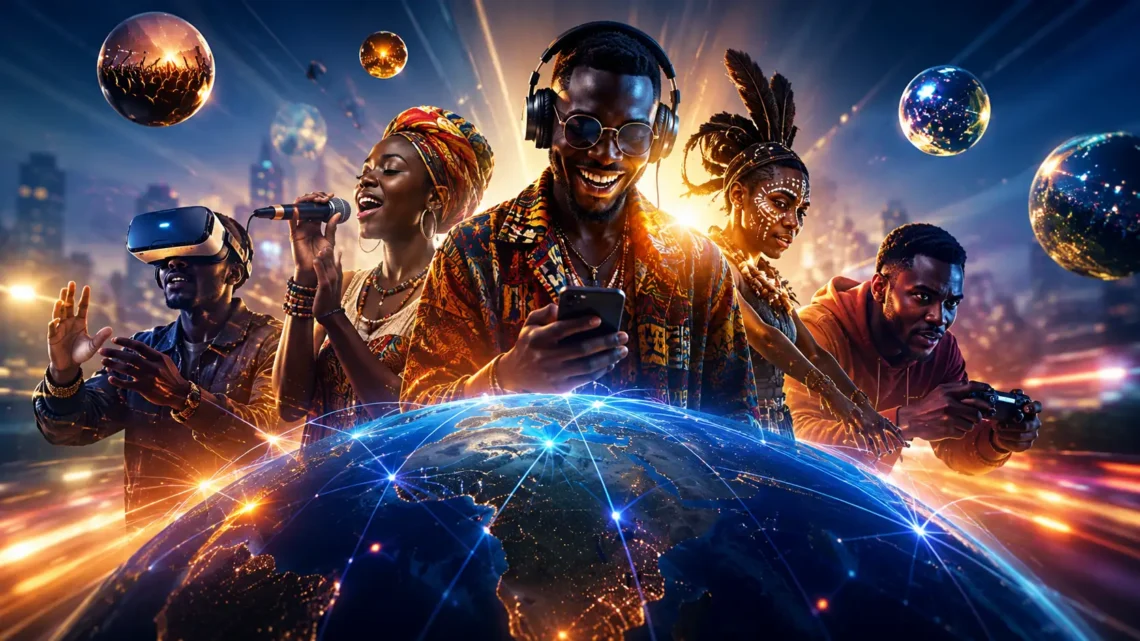
Why African Entertainment Is Becoming a Global Export
African entertainment has moved from regional popularity to consistent global presence over the last decade. Music from West Africa fills playlists in Europe and North America.
Films produced on the continent are premiering at international festivals. Digital creators with audiences built entirely in Africa are now signing deals with global platforms and brands. This is not a moment. It is a structural shift backed by measurable data.
Trending Now!!:
The Rise of African Entertainment
The growth started with music. Afrobeats, which blended West African rhythms with electronic production, crossed borders faster than most genres in recent memory. Burna Boy‘s 2021 Grammy win, followed by international tours selling out venues across three continents, marked a point where the industry could no longer treat African artists as a niche category.
The African music industry generated an estimated $1.2 billion in revenue in 2024, up from $400 million in 2019. That growth came primarily from streaming, which gave artists direct access to international audiences without the historical dependency on physical distribution or radio deals in foreign markets.
Film followed a similar path. Nollywood produces over 2,500 titles annually, making it the second-largest film industry in the world by volume. The quality gap between local productions and international releases has narrowed significantly as budgets increased and post-production infrastructure improved across the continent.
Streaming Platforms and Global Reach
Streaming removed the geographical barrier that had historically limited the reach of African content. A film produced in Lagos or Nairobi now reaches the same global audience on the same day as a Hollywood production, without requiring a distribution deal in each country.




Digital entertainment platforms operating across Africa have grown their user bases substantially in the last three years. Platforms like Pin Up, alongside streaming services and music apps, contribute to an ecosystem where African users consume and share content globally, amplifying the reach of locally produced material across international audiences.
The global media exports from Africa are not limited to music and film. Podcasts, YouTube channels, and short-form video content from African creators now reach diaspora communities in Europe and North America who actively seek connection to culture from home.
Music, Film and Digital Creators
The film industry in Africa is attracting co-production deals from international studios that would not have considered the market ten years ago. Netflix has invested in original African content since 2019, with productions from South Africa, Egypt, and West Africa appearing on its platform globally.
Digital creators are the fastest-growing segment. Creators across Africa built audiences of millions on YouTube and TikTok by producing content in local languages and formats. When those audiences crossed ten million subscribers, brand deals and platform partnerships followed automatically, creating income streams that fund better production quality and wider reach.
The following factors explain why African creators are expanding internationally faster than previous generations:
- Smartphones made high-quality video production accessible without studio budgets
- Algorithm-driven platforms reward engagement over geography, meaning African content reaches non-African users organically
- Diaspora communities in Europe and North America actively share African content within their own networks
These factors combine to create distribution at scale that previously required major label or studio backing.
Why International Brands Are Investing

Cultural exports generate commercial value beyond the entertainment sector itself. When African music dominates global charts, fashion, food, and language follow.
Brands that recognized this early secured sponsorship and partnership deals with African artists and creators before the price of those partnerships reflected the full scale of the audience.
The table below shows where international brand investment in African entertainment has concentrated between 2023 and 2026:
| Sector | Type of Investment | Primary Market |
|---|---|---|
| Music | Tour sponsorships and streaming deals | West and East Africa |
| Film | Co-production funding | South Africa and West Africa |
| Digital creators | Brand partnerships and platform deals | Pan-African |
| Gaming and entertainment | Platform sponsorships | East and West Africa |
This investment pattern reflects how seriously international brands now treat African markets as both a consumer base and a cultural production hub.
Future Growth Opportunities
The next phase of growth for African entertainment exports will be driven by two factors: improved internet infrastructure and more investment in local production quality. As 5G expands across urban centres on the continent, the technical barriers to high-quality streaming and live content drop further.
African storytelling has a depth of material that global audiences have barely accessed. Languages, histories, and perspectives that have not been represented in mainstream international media represent creative territory with significant commercial potential for producers willing to invest in them.
In conclusion, African entertainment is becoming a global export because the structural conditions for it now exist: streaming access, smartphone production tools, growing diaspora audiences, and international brands with budgets to match their interest. The expansion is still early relative to what the scale of the continent’s creative output suggests is possible.