How Influencers and Celebrities Are Redefining Entertainment in 2026
The line between traditional celebrity and digital influencer has all but disappeared.
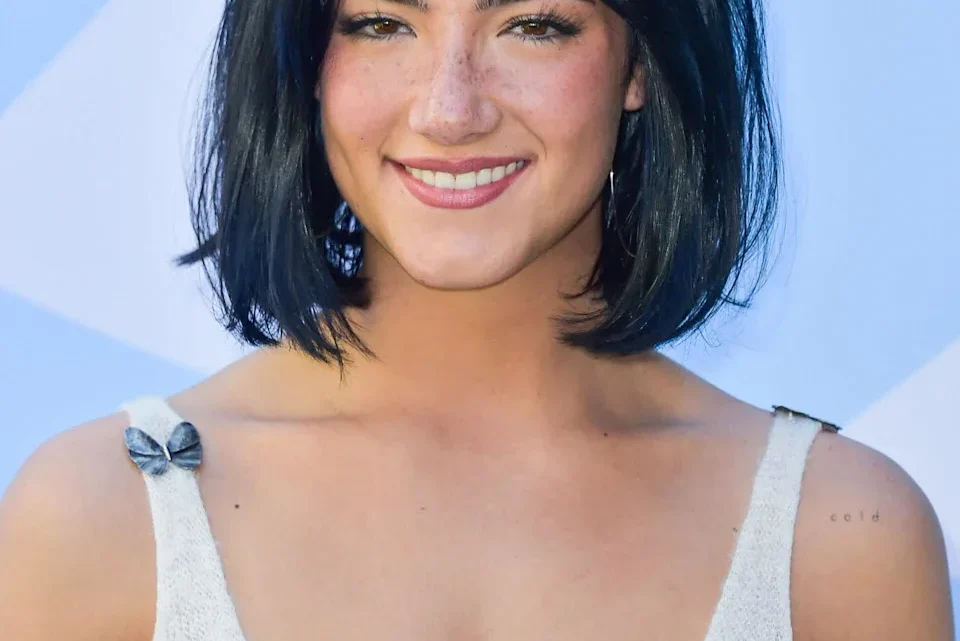
When Charli D’Amelio signed a three-picture deal with Universal last August, or when MrBeast’s production company outbid Netflix for streaming rights to his latest reality series, it became clear that the old gatekeepers no longer control who gets to shape popular culture. The influencer economy has matured into something far more complex than brand partnerships and sponsored posts.
Trending Now!!:
What’s particularly striking is how these digital-first personalities are diversifying their revenue streams in ways that mirror traditional entertainment models. Beyond YouTube ad revenue and Instagram collaborations, many are exploring interactive experiences that blur the boundaries between content creation and audience participation.
Some have even ventured into real money casinos and gaming partnerships, recognizing that their audiences seek entertainment that goes beyond passive viewing. This shift reflects a broader trend where creators are building entire ecosystems around their personal brands rather than relying on a single platform or revenue source.
The Convergence of Traditional and Digital Stardom
Emma Chamberlain’s coffee empire now generates more annual revenue than her entire YouTube channel ever has. That’s not an outlier anymore. Influencers who started filming videos in their bedrooms are now launching production studios, signing talent, and developing intellectual property that extends far beyond social media. The traditional Hollywood trajectory has been inverted.
Meanwhile, established celebrities are desperately trying to crack the code that these digital natives seem to understand instinctively.


Dwayne Johnson‘s TikTok presence feels calculated compared to the raw authenticity that made Khaby Lame a household name. The audience can sense the difference between someone who grew up speaking the language of social media and someone whose team drafted a digital strategy document.
Interactive Entertainment Takes Centre Stage
Live streaming has evolved beyond gaming and casual chats. Creators are hosting virtual concerts, interactive cooking experiences, and even real-time collaborative storytelling sessions where audience decisions shape the narrative. Pokimane’s recent interactive mystery series drew 4.2 million concurrent viewers, numbers that would make network executives weep with envy.
The technology enabling these experiences has improved dramatically. Augmented reality filters, real-time polling integration, and sophisticated chat moderation tools allow creators to maintain intimacy even with massive audiences. According to Forbes, the live streaming industry is projected to exceed $247 billion globally by the end of this year, with creator-led content representing the fastest-growing segment.
The Authenticity Paradox
Here’s the contradiction at the heart of modern influencer culture. Audiences crave authenticity, yet the most successful creators are those who’ve mastered the performance of authenticity.
They know exactly which vulnerable moment to share, which behind-the-scenes glimpse will generate the most engagement, and how to craft a “candid” Instagram story that’s been rehearsed three times.
This calculated spontaneity doesn’t necessarily make them dishonest. It’s simply the evolution of parasocial relationships in an age where everyone understands that all media is constructed. The savviest creators acknowledge this dynamic openly, creating a kind of meta-authenticity that resonates with audiences who are media-literate enough to appreciate the craft.
Where Traditional Media Still Holds Power
Despite all this disruption, traditional media hasn’t become irrelevant. It’s adapted. Major studios now scout talent from YouTube and TikTok the same way they once searched for the next breakout star at regional theater productions. The difference is that these new talents arrive with built-in audiences and sophisticated understandings of what their fans actually want.
The entertainment landscape of 2026 doesn’t belong exclusively to influencers or traditional celebrities. It belongs to whoever can navigate both worlds simultaneously, understanding that authenticity and production value aren’t mutually exclusive, and that audiences are sophisticated enough to demand both. The revolution isn’t that influencers replaced celebrities. It’s that the definition of celebrity itself has fundamentally changed.