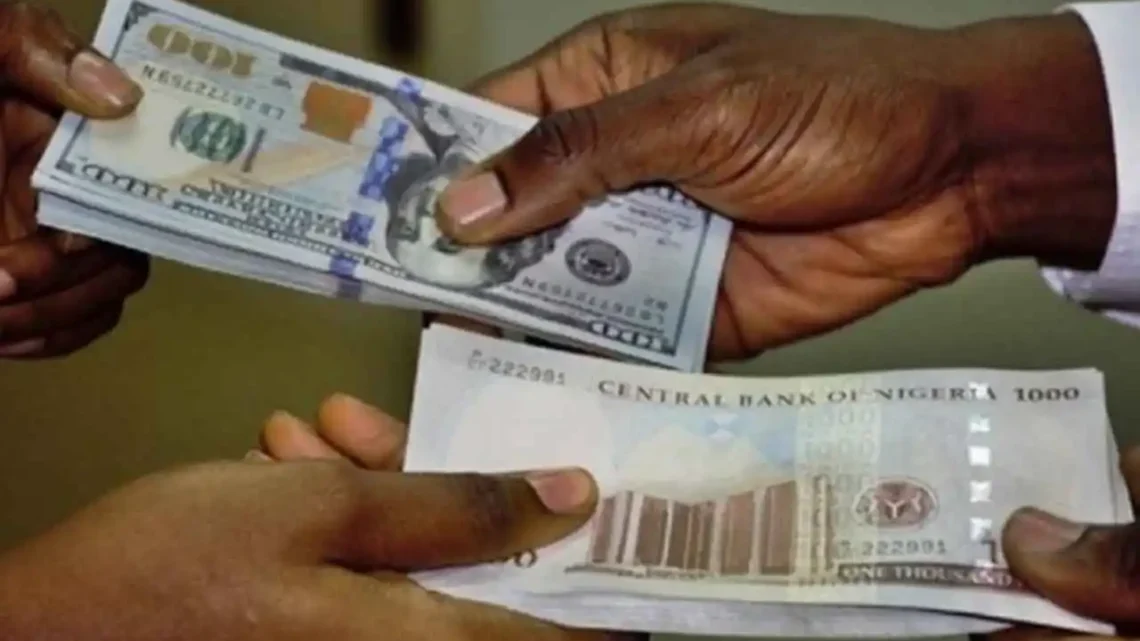
Aboki Naira to Dollar Black Market Exchange Rate Today, 19th August 2026
The Nigerian naira held broadly steady against the United States dollar on Wednesday, August 19, 2026, with the parallel market, popularly known as the black market or Aboki rate, trading at approximately ₦1,415 to sell and ₦1,405 to buy, based on the most recent available data from black market rate trackers as of Tuesday, August 18.
At the official Nigerian Foreign Exchange Market (NFEM), the naira closed at about ₦1,350 to the dollar on Monday, August 17, an improvement from ₦1,358.25 recorded the previous Friday, August 14. The currency had gained ₦5.75 to close at that Friday’s level as external reserves climbed to $52.26 billion. A separate live indicative rate for Wednesday put the dollar at around ₦1,350.24, though this figure is distinct from the official NFEM fixing and can shift through the trading day.
Trending Now!!:
The gap between the official and parallel market rates remains close to ₦60 to ₦65, with buyers seeking ₦1,000 worth of dollars in the black market needing roughly ₦1.415 million at the prevailing selling rate, while sellers offloading dollars would receive about ₦1.405 million at the buying rate.
The relative firmness in the official market has coincided with improved dollar liquidity and supply. Reports this week noted the naira hitting a five-month high, attributed in part to Central Bank of Nigeria reforms at the discount window that have boosted foreign exchange turnover. The apex bank also moved to ease foreign exchange and securities restrictions tied to the discount window, a step seen as part of its broader push to deepen liquidity in the formal market.
External reserves have continued to build in recent weeks, with figures cited at above $52 billion, described in some market reports as the highest level in seventeen years. Analysts tracking the currency say the trend reflects a combination of factors, including crude oil receipts, diaspora remittances, and investment inflows, alongside continued Central Bank of Nigeria policy support.
The Central Bank of Nigeria does not recognize the parallel market as an official channel for foreign exchange and continues to advise members of the public to source dollars through licensed banks and Bureau de Change operators rather than street dealers. Parallel market rates are unregulated and can vary by location, dealer, and transaction size, with rates in Lagos, Abuja, and other major cities sometimes differing by small margins depending on demand.




For everyday Nigerians, the dollar rate, whether official or parallel, continues to weigh heavily on the cost of imported goods, school fees paid abroad, international travel, and online transactions billed in foreign currency. Market watchers say the coming days will depend on how foreign exchange inflows, import demand, and Central Bank of Nigeria policy decisions evolve, with the current spread between the official and black market rates seen as a key indicator of how far exchange rate unification efforts have progressed.
As with all parallel market data, figures quoted above reflect the most recent rates available at the time of writing and may change as trading continues through the day.