Meet Top 10 Richest Doctors in the World
From hospital empires to cancer-drug patents, these ten physicians didn't get rich treating patients: here is how each built a fortune worth billions.
The world’s wealthiest doctors did not get rich by seeing more patients. Nearly every name on this list built a fortune the moment medicine intersected with a patentable drug, a hospital chain, or a biotech IPO.
Patrick Soon-Shiong and Thomas Frist Jr. alone are worth a combined $58 billion, and their paths to that wealth, one through a cancer drug and the other through hospital consolidation, illustrate the two dominant routes to a physician’s billion-dollar fortune.
Trending Now!!:
Most rankings of richest doctors recycle the same figures from years-old blog posts, several of which still cite Dr. Frist’s net worth at a fraction of its current value. This list draws on the most recent billionaire tracking data available and corroborating financial reporting.
It separates practicing or formally trained physicians from the broader category of healthcare executives, since plenty of pharmaceutical and hospital fortunes belong to businesspeople who never held a medical license.
Before ranking the individuals, it is worth naming the pattern that runs through nearly every profile below. Doctors accumulate extraordinary wealth through one of two mechanisms: owning equity in a company they founded, or owning intellectual property that a larger company eventually needs to buy.
Dr. Thomas Frist Jr. represents the first path. Dr. Gary Michelson represents the second. Dr. Patrick Soon-Shiong has, unusually, done both. A doctor’s clinical reputation rarely correlates with financial outcome; the businesses and patents behind these fortunes matter far more than bedside manner or surgical skill, however impressive either may be.

1. Thomas Frist Jr., MD: $41.8 Billion
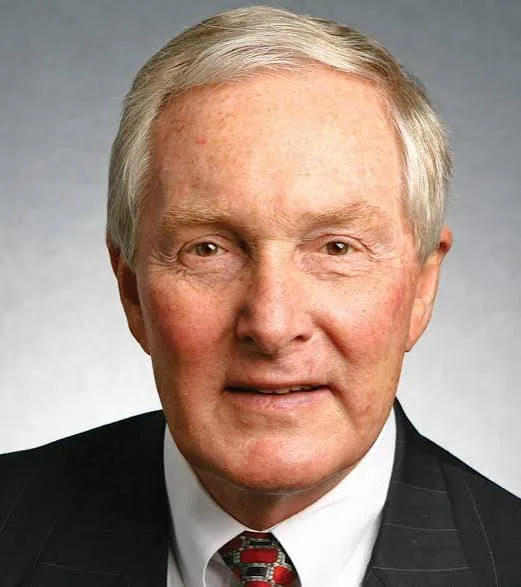
Thomas Frist Jr. sits atop every credible ranking of doctor billionaires by a wide margin, and the gap between him and the rest of the field has widened considerably over the past two years. A former Air Force flight surgeon, Frist co-founded Hospital Corporation of America with his father in 1968, at a time when for-profit hospital chains barely existed as a business category.
HCA Healthcare now operates roughly 190 hospitals and around 2,400 ambulatory care sites across the United States and the United Kingdom, commanding more than a quarter of the American healthcare provider market.
Frist, now 88, no longer holds an executive role, but he and his family retain more than 20 percent ownership of the company, a stake that has compounded steadily as the company’s share price has climbed.
The overlooked lesson in Frist’s story is timing combined with structure. He did not simply open hospitals; he built a scalable, publicly traded platform for acquiring and standardizing them decades before private equity discovered healthcare consolidation as an investment thesis.
That structural head start, more than any single clinical or business decision, explains why his net worth has outpaced every other physician on this list by a factor of two or more.
2. Patrick Soon-Shiong, MD: $16 Billion
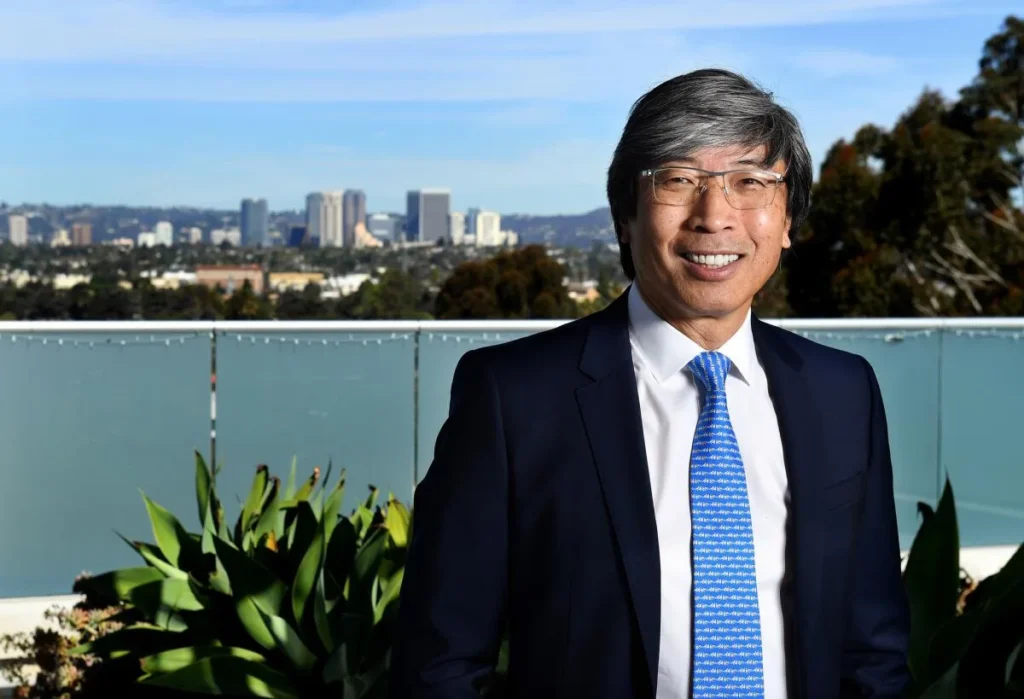
Patrick Soon-Shiong is widely described as the richest doctor in the world in older articles, a title that technically belongs to Frist once hospital ownership is counted. Still, Soon-Shiong remains the wealthiest physician whose fortune traces directly back to a clinical breakthrough rather than hospital administration.
The South African-born transplant surgeon, trained at the University of the Witwatersrand and later UCLA, developed the cancer drug Abraxane, which became a standard treatment for breast, lung, and pancreatic cancers. He sold two pharmaceutical companies, Abraxis BioScience and American Pharmaceutical Partners, for a combined $9.1 billion between 2008 and 2010.
Soon-Shiong’s net worth has been unusually volatile compared to other names on this list because so much of it sits in publicly traded biotech stock through his ImmunityBio and NantHealth ventures, which swing sharply on clinical trial news and FDA decisions.
He is also the owner of the Los Angeles Times and holds a stake in the Los Angeles Lakers, diversifications that most doctor-entrepreneurs never attempt. The volatility in his valuation, reported anywhere from around $6 billion to more than $16 billion depending on the year and the stock’s performance, is itself a useful case study in why concentrated biotech wealth behaves differently than the diversified hospital-ownership wealth that anchors Frist’s fortune.
3. August Troendle, MD: $2.7 Billion
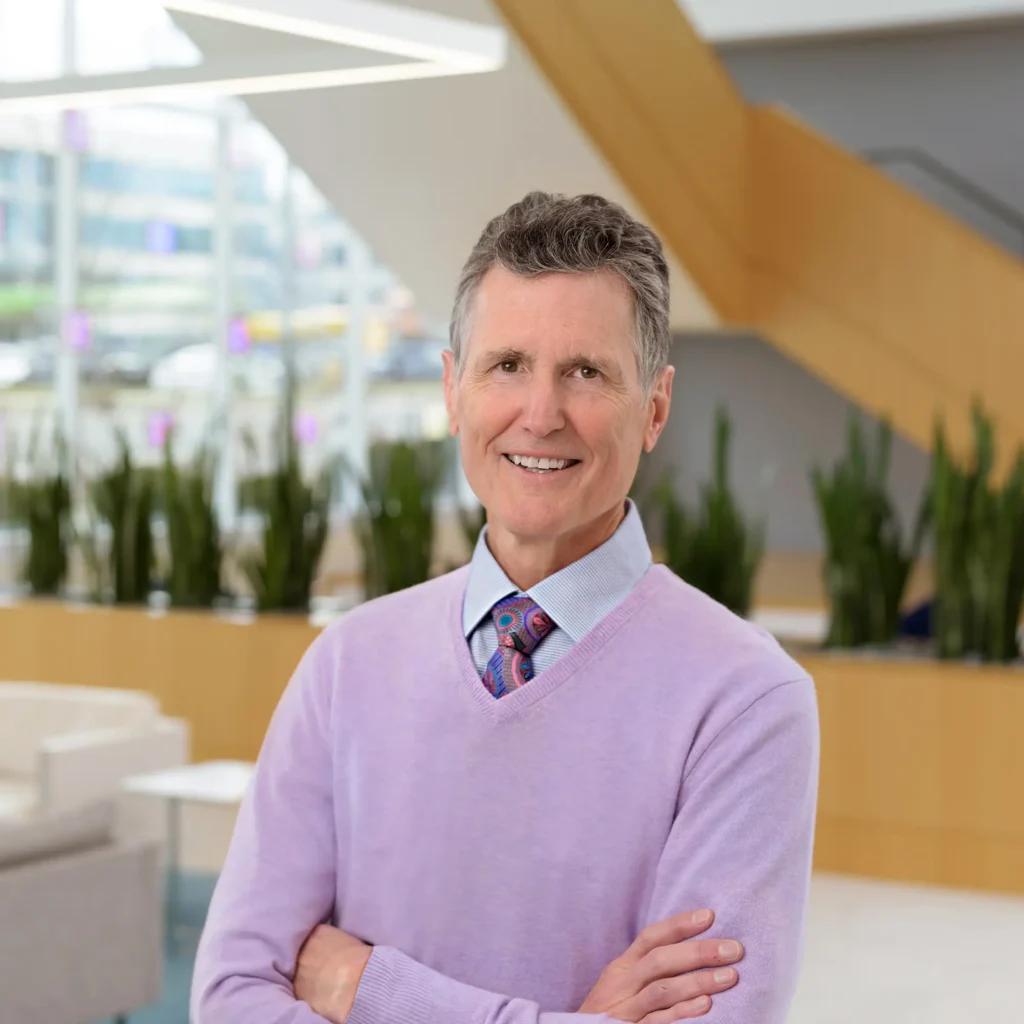
August Troendle built his fortune in the least glamorous corner of medicine: clinical trial administration. He founded, and continues to lead as president and CEO, Medpace, a clinical research organization that manages drug trials on behalf of pharmaceutical companies.
Troendle holds roughly a 24 percent ownership stake in the publicly traded firm. Before founding Medpace, he worked at Sandoz, now part of Novartis, gaining the operational insight into trial logistics that became the foundation of his own company.
Troendle’s fortune illustrates a wealth path that gets little attention in popular coverage of rich doctors: the pharmaceutical industry’s dependence on third-party clinical trial infrastructure. As drug development has become more regulated and more global, contract research organizations like Medpace have become indispensable, and indispensable infrastructure tends to be extremely profitable for whoever controls it.
4. Leonard Schleifer, MD, PhD: $2.6 Billion
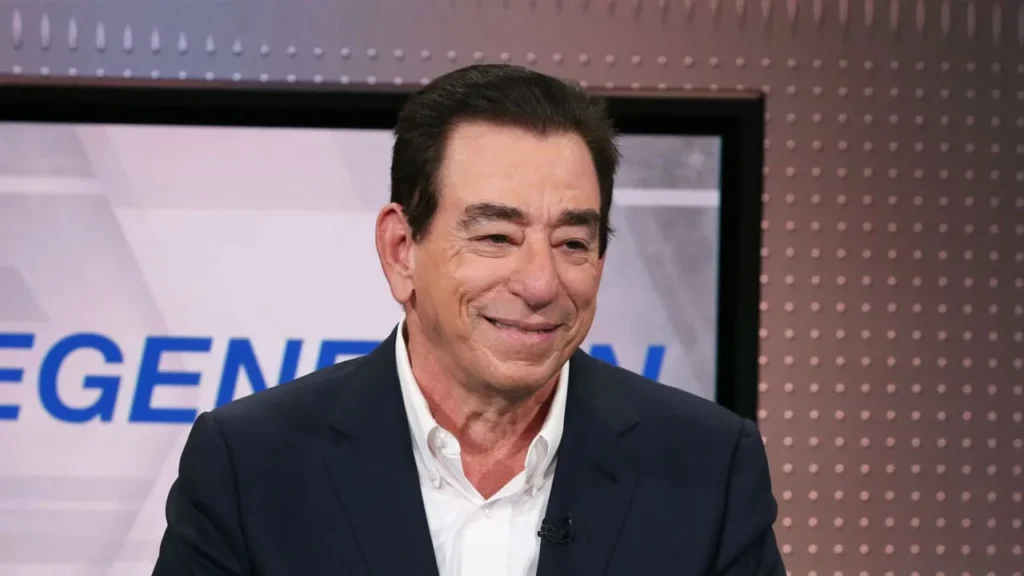
Leonard Schleifer co-founded Regeneron Pharmaceuticals in 1988 and still serves as its chief executive, a tenure of nearly four decades that is rare among biotech founders. He led the company through its 1991 IPO and currently holds just under 4 percent of its outstanding stock.
Regeneron’s blockbuster macular degeneration treatment, Eylea, along with its other FDA-approved therapies, has made it one of the most consistently profitable biotech companies of the past two decades.
Schleifer’s net worth has fluctuated with Regeneron’s share price, which has come under pressure as biosimilar competition to Eylea has intensified. That pressure reminds us that even blockbuster-drug wealth is not permanent; patent cliffs and competitive entry erode fortunes built on a single molecule unless the underlying company keeps innovating.
5. Phillip Frost, MD: $2.1 Billion
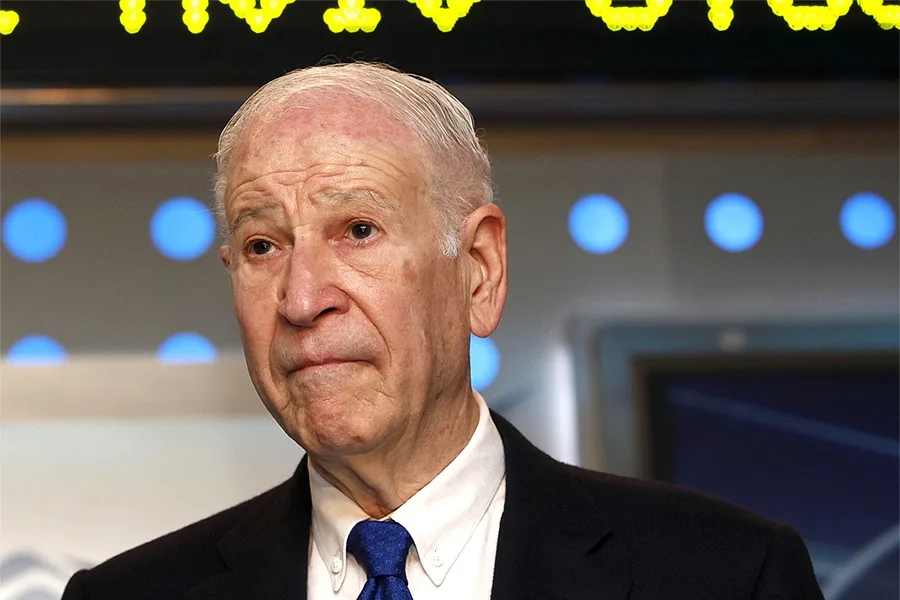
Phillip Frost is one of the more prolific biotech dealmakers on this list. He revamped Key Pharmaceuticals in the 1970s and sold it for $836 million, then founded Ivax in 1987 and sold that company for $7.6 billion in 2005. He currently serves as CEO of Opko Health, a diagnostics and pharmaceutical company.
Frost’s net worth rose from $1.8 billion to $2.1 billion within a single year, a modest gain compared to some peers but a sign that his diversified holdings across diagnostics and specialty pharma continue to perform.
6. James Leininger, MD: $1.9 Billion
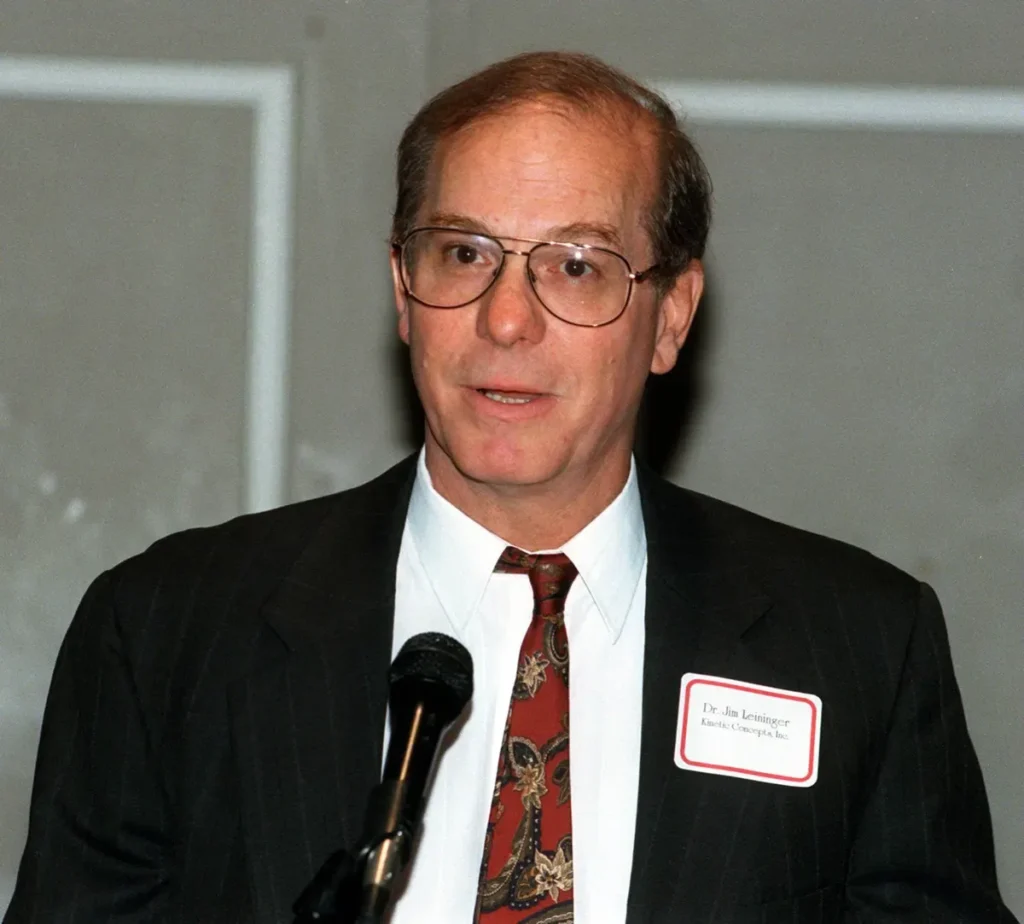
James Leininger built his fortune as founder of Kinetic Concepts, a medical device company best known for wound care technology. Apax Partners, a private equity firm, acquired Kinetic Concepts for $6.3 billion in 2012, with Leininger as its largest shareholder at the time of the sale.
His net worth has held steady at $1.9 billion across recent reporting cycles, reflecting a fortune that is now largely parked in diversified investments rather than an operating company.
7. Keith Dunleavy, MD: $1.9 Billion
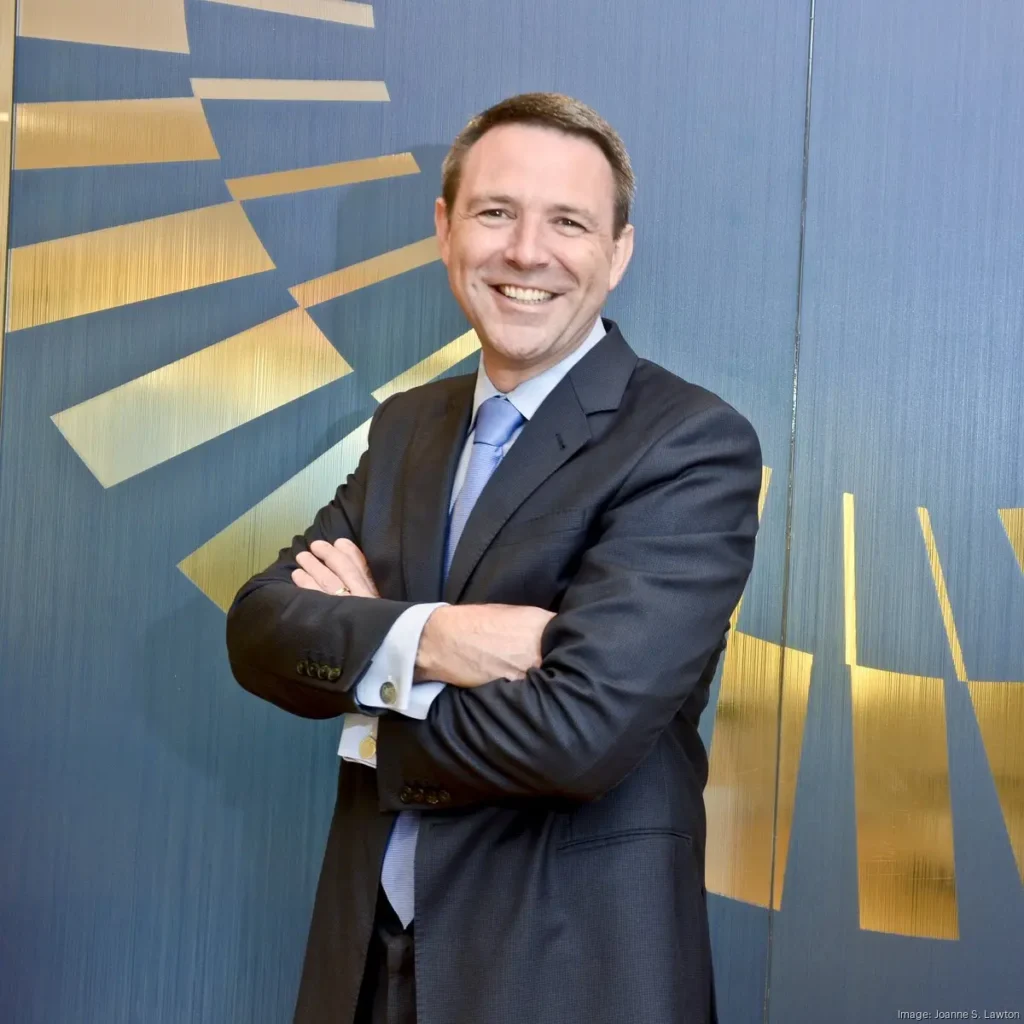
Keith Dunleavy founded Inovalon, a healthcare data analytics firm, and led it through a public offering in 2015. A group of private equity firms acquired the company in 2021, and Dunleavy maintains an 11 percent stake in the business.
His fortune represents a wealth path likely to produce more doctor billionaires in the coming decade: healthcare data and analytics. This sector has grown considerably more valuable as insurers and health systems compete on their ability to process claims and risk data at scale.
8. George Yancopoulos, MD, PhD: $1.9 Billion
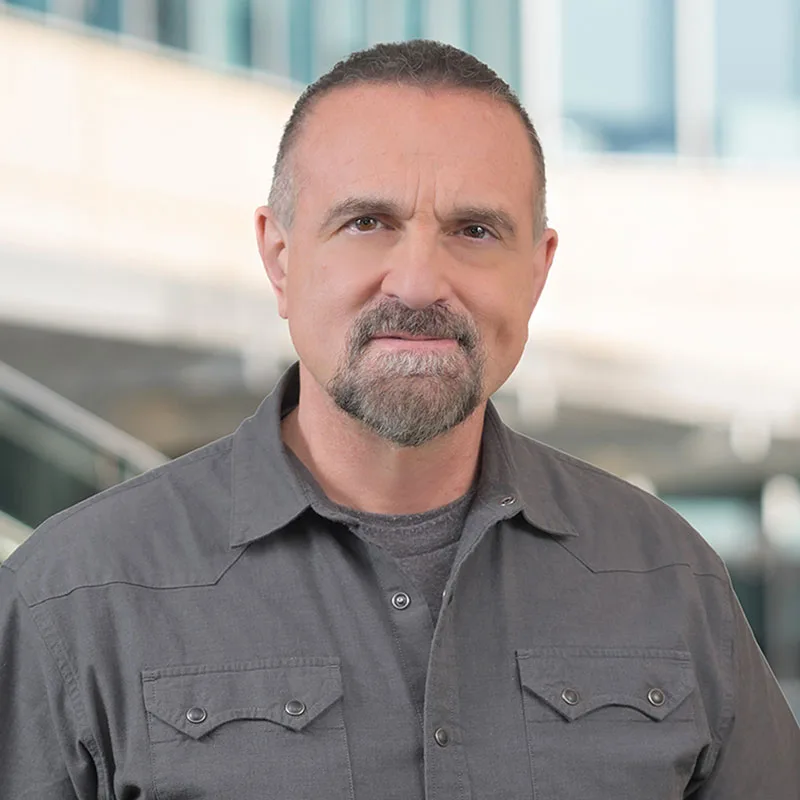
George Yancopoulos is Regeneron’s co-founder, president, and chief scientific officer, and has driven the company’s research agenda since joining in 1989.
He holds roughly 1 percent of the company’s shares, a smaller stake than Schleifer’s but one built almost entirely on the company’s scientific output rather than its founding equity. His net worth has fallen in recent reporting cycles, tracking the same competitive pressure on Regeneron’s stock that affected Schleifer, underscoring how tightly the two men’s fortunes are tied to a single company’s fate.
9. Gary Michelson, MD: $1.8 Billion
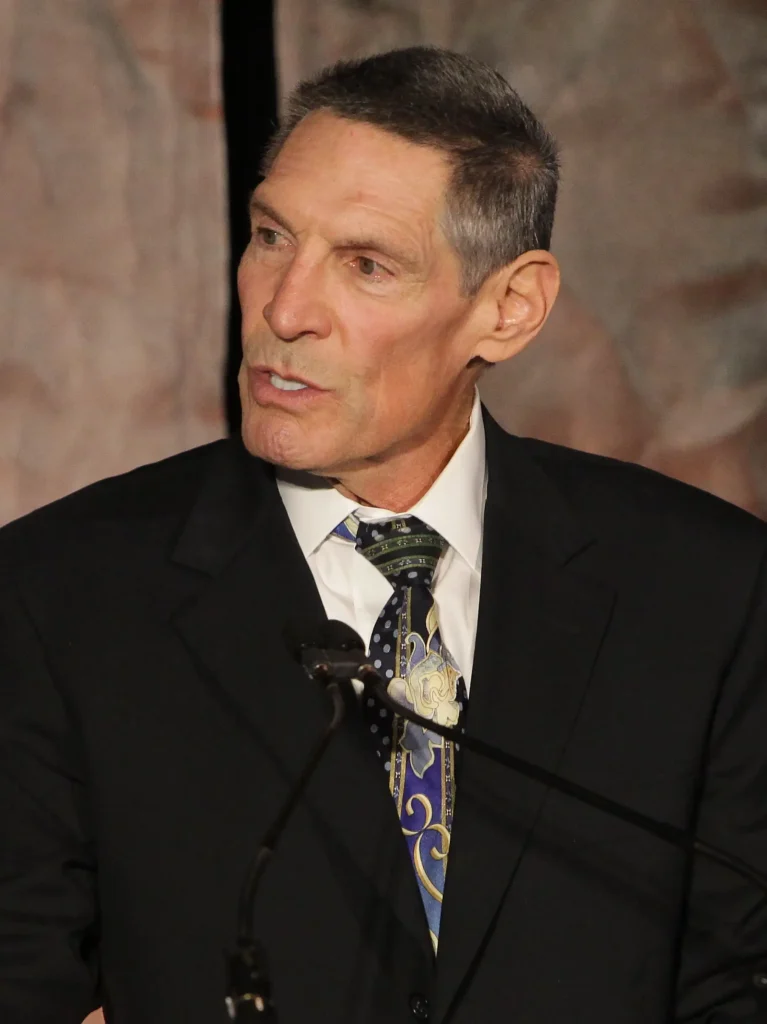
Gary Michelson is the clearest example on this list of wealth built purely from intellectual property rather than company ownership. A retired spine and orthopedic surgeon, he amassed more than 340 patents for spinal surgery devices during his clinical career.
His fortune stems largely from a $1.35 billion settlement with Medtronic in 2005 over disputed patent rights, one of the largest medical patent settlements in history. Michelson has since redirected much of his wealth into philanthropy, including significant funding for medical research and animal welfare causes, making him one of the more visible philanthropic figures among doctor billionaires.
10. Wu Yiling: $1.8 Billion
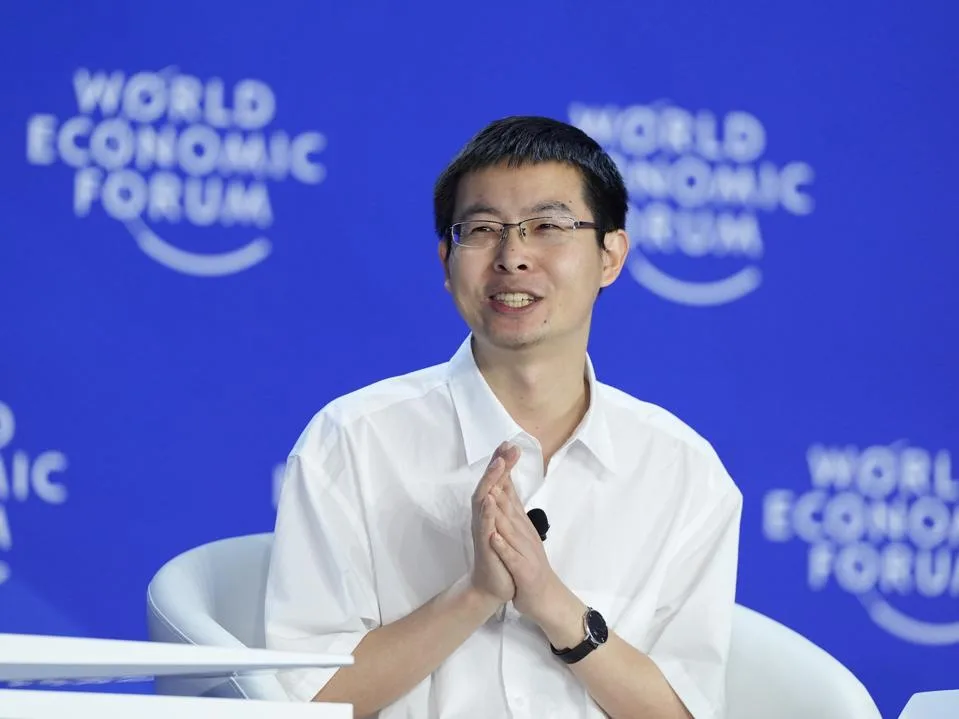
Wu Yiling rounds out this list as the most prominent non-Western entry and a reminder that doctor wealth is not an exclusively American phenomenon. Wu built Yiling Pharmaceutical into one of China’s most successful traditional Chinese medicine companies, integrating herbal treatment protocols with modern pharmaceutical manufacturing and distribution.
His fortune reflects a distinct wealth path from every other name on this list: monetizing traditional medical knowledge at industrial scale within a domestic market of more than a billion people, a model that has produced several billionaires in China’s pharmaceutical sector but remains largely invisible in Western coverage of medical wealth.
What the List Reveals About Wealth in Medicine
A pattern emerges once these ten fortunes are placed side by side. Practicing clinical medicine, even at the highest levels of specialization and compensation, does not by itself produce billion-dollar wealth.
Every name on this list either founded a company, held foundational equity in one, or controlled patentable intellectual property that a larger company needed to acquire. The doctors who appear on lower-tier lists of rich doctors, plastic surgeons and dentists worth tens of millions rather than billions, earn substantial incomes from clinical practice and media exposure. Still, that income sits in an entirely different financial category from equity-driven wealth.
A second pattern worth noting: concentration risk defines this group more than diversification. Schleifer, Yancopoulos, and Soon-Shiong all carry fortunes tied heavily to a single company’s stock performance, which means their rankings shift meaningfully from year to year in a way that Frist’s more diversified, decades-compounded hospital equity does not.
Anyone using this list as a benchmark for career or investment decisions should read the year-over-year net worth changes as closely as the totals themselves; they say more about how these fortunes actually behave than the headline number does.
What People Ask