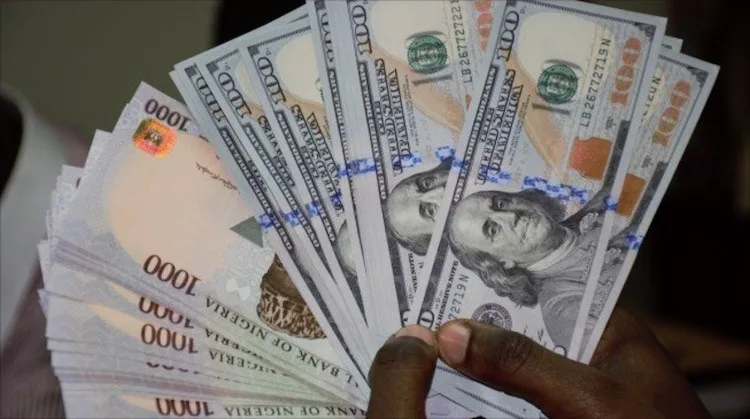
Aboki Naira to Dollar Black Market Exchange Rate Today, 22nd November 2026
Informal foreign-exchange traders across Nigeria’s major cities quoted the dollar in a slightly softer range on Sunday, 22 November 2026, as weekend cash positions and subdued activity kept most deals within a narrower band than seen in recent weekday sessions.
In Lagos, Abuja, Kano and Port Harcourt, Bureau de Change operators and street dealers were generally buying physical dollars from customers at between ₦1,435 and ₦1,450, while selling them at ₦1,450 to ₦1,465.
Trending Now!!:
Many desks settled near ₦1,440 on the buy side and ₦1,460 on the sell side, with the precise figure still depending on the condition of the notes, the size of the transaction and how much cash a particular operator had available at the moment of trade.
A customer converting $100 could typically expect to receive roughly ₦143,500 to ₦145,000, while buying the same amount usually cost closer to ₦145,000 to ₦146,500. Larger volumes largely followed the same range, although some traders observed that quotes could still firm later in the day if remittance inflows remained light or if early signs of festive-season demand from travellers and importers emerged.
Differences between cities stayed limited and were driven mainly by local cash availability rather than any broad change in market sentiment.




At the official Nigerian Foreign Exchange Market window, the naira continued to trade near ₦1,389 to ₦1,394 per dollar based on the most recent Central Bank of Nigeria figures. That left a street premium of roughly ₦50 to ₦70, or about 4 to 5 percent above the regulated rate. External reserves have held in the mid-$50 billion area despite modest recent declines, supported by oil receipts and other inflows.
At the same time, weekly foreign-exchange supply into the formal market has remained softer than earlier in the month. Market participants link the still-elevated parallel quotes to seasonal demand pressures and the ongoing preference of many households and small businesses for physical dollars outside the banking system.
Rates in the informal market are indicative only and can shift quickly with cash conditions; traders and customers should confirm quotes directly before completing any transaction.