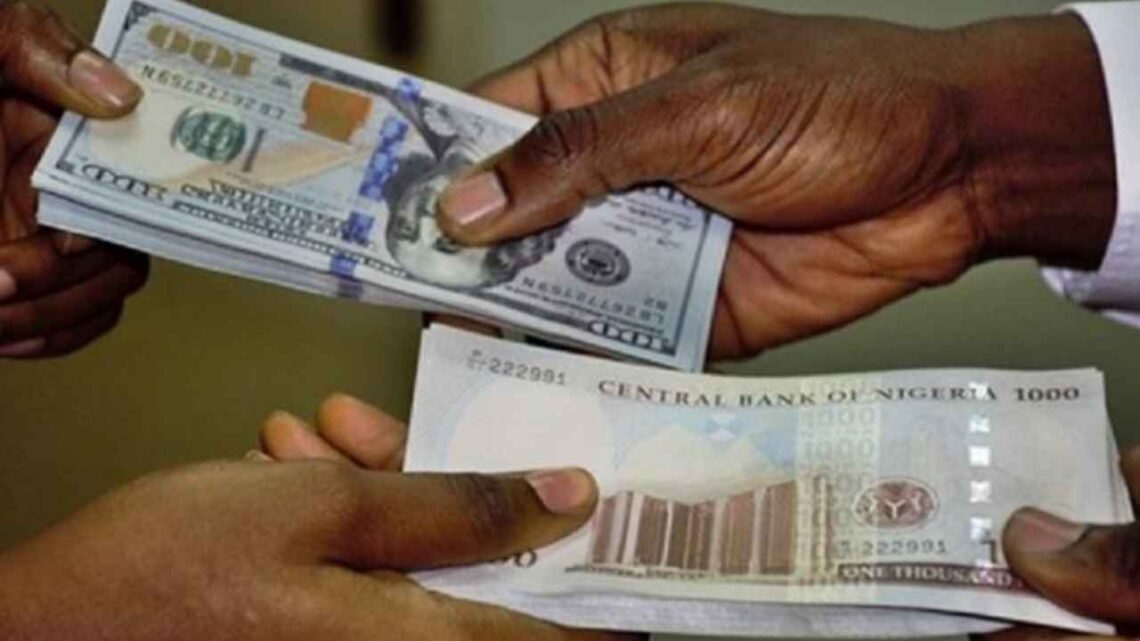
Aboki Naira to Dollar Black Market Exchange Rate Today, 24th August 2026
On the streets popularly known as the Aboki market, the United States dollar was trading at approximately ₦1,415 for buying and ₦1,428 for selling on Sunday, 24th August 2026, according to rates gathered from currency dealers operating outside the official banking channels.
The figure represents a rise of about 2.73 percent, reflecting a naira that softened slightly against the greenback on the parallel segment even as the official market told a different story entirely.
Trending Now!!:
At the Central Bank of Nigeria’s official window, the naira closed the week firmer, trading at roughly ₦1,346.49 to the dollar, a gap of well over ₦80 when measured against the black market figure. Reports from currency tracking platforms indicated that the naira had gained around ₦11 week on week at the official market, supported by improved dollar supply and external reserves that climbed to about $52.657 billion.
Despite that strength on the official side, black market dealers kept their rates largely unmoved through the weekend, with some sources placing the parallel rate as flat as ₦1,405, underscoring how disconnected the two markets remain from one another.
Other major currencies also moved against the naira on the parallel market on Sunday. The British pound was quoted at around ₦1,882 for buying and ₦1,912 for selling, down about 0.42 percent, while the euro traded at roughly ₦1,558 to buy and ₦1,610 to sell, easing by about 1.23 percent. The Canadian dollar changed hands at approximately ₦996 for buying and ₦1,004 for selling.
Bureau de Change operators and street dealers in Lagos, Abuja, Kano and Port Harcourt continued to quote the dollar at a premium above what banks and licensed operators offer, a pattern that has persisted for months despite the Central Bank’s efforts to narrow the spread through reforms aimed at unifying the exchange rate regime.




Traders attribute the persistent gap to demand for dollars among importers, students paying tuition abroad and travelers, all of whom often turn to the parallel market when official channels fall short of their needs.
Analysts tracking the naira’s trajectory say the currency’s direction in the coming days will likely hinge on continued foreign exchange inflows, crude oil earnings and the apex bank’s ability to keep the official window consistently supplied with dollars.
For now, the market appears to be holding within a familiar band rather than showing signs of the sharp swings that characterized earlier periods of volatility, though rates on the ground can shift more than once within a single trading day.
Anyone looking to exchange currency is advised to confirm the prevailing rate with their bank or a licensed Bureau de Change operator before completing a transaction, since the figures reported here reflect a snapshot gathered from multiple dealers and may differ from what is quoted at the actual point of sale.