Aboki Naira To Dollar Black Market Exchange Rate Today, 28th August 2026
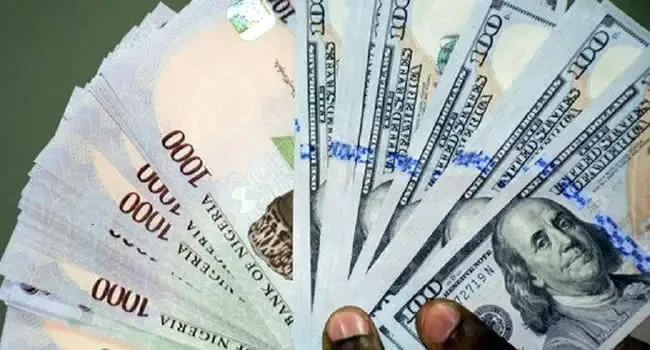
The naira held largely steady against the United States dollar on the parallel market, popularly known as the black market or aboki rate, on Friday, 28th August 2026.
Currency dealers in Lagos, Abuja, Kano and other major commercial centers quoted the dollar at approximately ₦1,410 for selling, with buying rates hovering around ₦1,400, figures that keep the naira within the same narrow band it has traded in for most of the month.
Trending Now!!:
Street traders attributed the relative calm to steady, rather than surging, demand from travelers, importers and individuals settling foreign obligations such as school fees and medical bills.
Dollar liquidity on the streets has remained adequate in recent weeks, easing the kind of scarcity that has historically pushed rates sharply higher in previous years. Bureau de Change operators say the spread between what they buy and sell dollars for has stayed tight, a sign that supply and demand on the informal market are roughly balanced for now.
The gap between the official exchange rate and the parallel market rate has also stayed comparatively narrow through August, continuing a trend analysts link to improved oil revenue inflows, steadier diaspora remittances and the Central Bank of Nigeria’s ongoing efforts to unify and stabilize the foreign exchange market. That narrower spread has reduced the incentive for round-tripping and speculative dollar hoarding that used to widen the divide between official and street rates.
For anyone converting dollars to naira at today’s black market rate, 100 dollars would fetch roughly ₦141,000, while 500 dollars would convert to about ₦705,000 and 1,000 dollars would bring in close to ₦1,410,000. These figures fluctuate by location and by the volume being exchanged, and rates quoted in Lagos can differ slightly from those in Abuja, Kano, or Port Harcourt depending on local demand.



Financial experts continue to advise Nigerians to exercise caution when trading on the parallel market, given that it operates outside the formal banking system. It remains unregulated by the Central Bank of Nigeria. Those looking to exchange large sums are encouraged to deal only with trusted, established dealers and to avoid carrying or exchanging significant amounts of cash in one transaction.
For official transactions, licensed Bureau de Change operators and commercial banks remain the safer and more transparent channels, even though their rates typically differ from what is obtainable on the street.