Aboki Naira to Dollar Black Market Exchange Rate Today, 28th November 2026
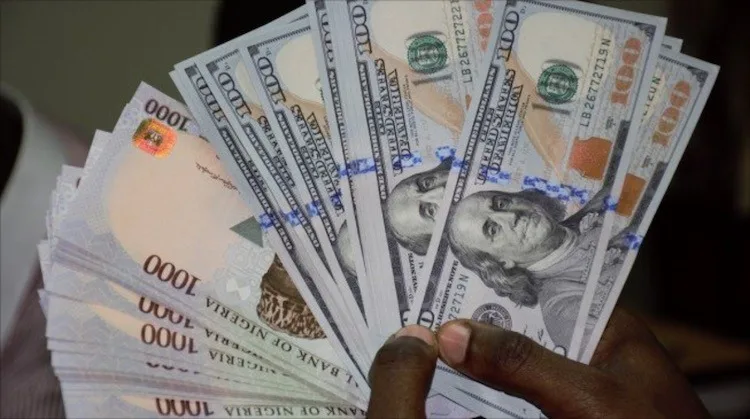
The naira heads into the weekend on a stronger footing, trading at about ₦1,445 to the dollar in the parallel market on Saturday, 28th November 2026, based on Friday’s closing level. The rate marks a ₦10 (less than one US cent) gain from the ₦1,455 recorded on Thursday.
Street prices differ from one dealer and location to another, with some selling quotes reaching ₦1,460 to the dollar. Customers exchanging money should expect dealers to buy the greenback for less than they sell it.
Trending Now!!:
At ₦1,445 per dollar, $100 is worth about ₦144,500, while $500 comes to ₦722,500. A $1,000 exchange amounts to roughly ₦1,445,000, although the final figure depends on the dealer’s quote and the side of the transaction.
The local currency also advanced at the Nigerian Foreign Exchange Market, closing Friday at ₦1,376 to the dollar, compared with ₦1,378 a day earlier. This left a gap of ₦69 (about five US cents) between the official and parallel market rates, down from ₦77 on Thursday.
Friday’s performance followed a sharp recovery in the official window. The naira rose by ₦19 (just over one US cent) on Thursday, moving from ₦1,397 to ₦1,378 per dollar in its biggest daily gain in more than three months.




The rebound came after the Central Bank of Nigeria (CBN) expanded the supply of physical dollars available to Bureau de Change operators. Banks can now sell up to $1 million in cash weekly to each licensed operator under a policy that took effect on 25th November.
The previous weekly limit was $150,000, and only $37,500 of that amount was available in cash. The larger allocation is expected to improve dollar supply in the retail market and ease pressure on street rates.
The latest gain offers some relief after the naira fell to about ₦1,470 per dollar in the parallel market on 19th November, its weakest level since late January. Despite the recovery, the currency remains weaker than its level of about ₦1,375 a month earlier.
CBN Governor Olayemi Cardoso has linked the recent pressure on the naira to seasonal factors, including year-end portfolio adjustments by foreign investors, hedging by businesses and spending connected to the general elections.
Cardoso maintained that Nigeria’s external position remains supported by a favourable current account and diaspora remittances. He also expects the volatility to moderate significantly as the country enters the new year.
The apex bank’s Monetary Policy Committee retained the benchmark interest rate at 23 per cent at its meeting held on 23rd and 24th November. Nigeria’s gross external reserves stood at about $54.25 billion on 24th November, below the recent peak of $55.26 billion recorded on 27th October.
Traders and consumers will be watching to see whether the increased cash supply can sustain the naira’s recovery and further narrow the difference between the two markets in the coming week. Anyone planning a transaction should confirm the current buying and selling prices before exchanging money, as parallel market rates can change within hours.