Aboki Naira to Dollar Black Market Exchange Rate Today, 6th September 2026
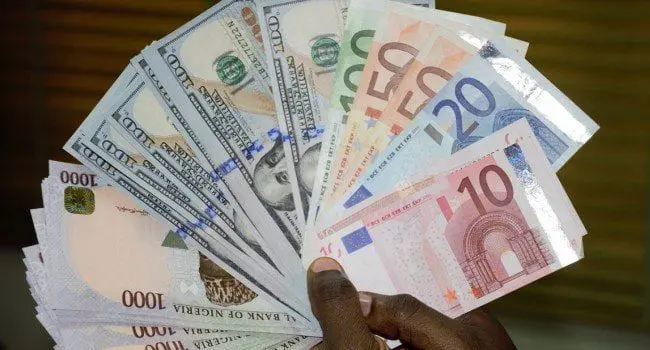
The Nigerian naira is trading in a relatively tight band against the United States dollar on the parallel market this Sunday, 6 September 2026, with street and bureau de change dealers quoting rates that remain well above the official window.
Across major cities including Lagos, Abuja, Kano and Port Harcourt, aboki operators are generally selling the dollar at about ₦1,400 to ₦1,410 and buying it back at roughly ₦1,390 to ₦1,400, though exact quotes still shift with location, cash volume and the time of day.
Trending Now!!:
That puts the unofficial premium at around 6 percent over the Central Bank of Nigeria’s latest official figures, which have the naira near ₦1,321 to ₦1,327 per dollar after last week’s trading.
One widely cited Saturday close put the parallel market at ₦1,405, while other trackers this morning list a sell rate of ₦1,410 and a buy rate of ₦1,400. The gap means 100 dollars currently costs about ₦140,000 to ₦141,000 on the street, compared with roughly ₦132,000 to ₦133,000 at the official rate.
Dealers say demand has been steady rather than frantic over the weekend, helped by improved foreign-exchange liquidity and higher external reserves, which recently climbed above $54 billion. The naira had already gained more than ₦8 against the dollar in the official market during the first four trading days of September, even as the black-market rate stayed largely flat around ₦1,400 according to operators in Abuja’s Wuse Zone 4. Sunday quotes remain unofficial and can differ from one dealer to the next because of cash availability and transaction size.
Travellers, importers and households still rely on the parallel market when they cannot access dollars through banks. Licensed bureau de change counters often sit a little closer to the street rate than commercial banks, while crypto peer-to-peer quotes have been reported nearer the official window.




Anyone changing money is being advised to confirm the live bid and offer on the spot, as weekend and early-morning rates can move before the next official session opens. Market watchers will be looking at inflows, CBN interventions and demand for travel and imports to see whether the naira can hold or extend its recent official-market gains through the rest of September.