Meet the Top 10 Richest Golfers in the World
From Tiger Woods' billion-dollar empire to Jon Rahm's LIV Golf windfall, here is how golf's wealthiest players built their fortunes on and off the course.
Professional golf has quietly produced more nine-figure fortunes than almost any other individual sport, and the gap between prize money and true wealth tells the real story.
The richest golfers in the world built their fortunes primarily off the course, through endorsement contracts, course design empires, LIV Golf guarantees, and decades of brand licensing.
Trending Now!!:
Tiger Woods remains the sport’s only billionaire, with an estimated net worth between $1.4 billion and $1.5 billion, while the rest of the top ten spans legends of the 1960s through today’s LIV Golf era.
Ranking golfers by net worth is a different exercise from ranking them by career earnings or annual income. A player’s tournament winnings, however substantial, rarely account for more than a fraction of total wealth once endorsements, appearance fees, business ventures, and investment returns are factored in.
That distinction explains why several golfers who never dominated leaderboards outrank many multiple-major champions on this list, and why the order here differs meaningfully from any list of the highest-paid golfers in a given year.
How Golf Wealth Actually Gets Built
Anyone who has followed the sport’s finances for a decade or more recognizes a consistent pattern: the golfers who accumulate the largest fortunes are rarely the ones who simply win the most.


Prize money on the PGA Tour, even at its current record highs, tops out in the hundreds of millions across an entire career for the very best players. Course design, equipment royalties, apparel lines, and executive roles within golf’s business apparatus dwarf that figure over time.
Greg Norman is the clearest illustration. His playing career yielded two major championships, respectable by most standards but far short of the sport’s elite tally.
His post-retirement business portfolio, spanning golf course architecture, real estate, apparel, wine, and ultimately the CEO chair at LIV Golf, pushed his estimated net worth past $450 million. The same logic applies to Jack Nicklaus, whose design firm has shaped more than 430 golf courses worldwide and now generates far more wealth annually than his playing career ever did.
The more recent shift, LIV Golf’s arrival in 2022, introduced a new and faster wealth mechanism: guaranteed contracts paid upfront regardless of performance.
Phil Mickelson and Jon Rahm both saw their net worth jump by hundreds of millions within months of signing, a scale of increase that would have taken a full career to achieve through tournament earnings alone.
The Top 10 Richest Golfers in the World
1. Tiger Woods — $1.4 billion to $1.5 billion
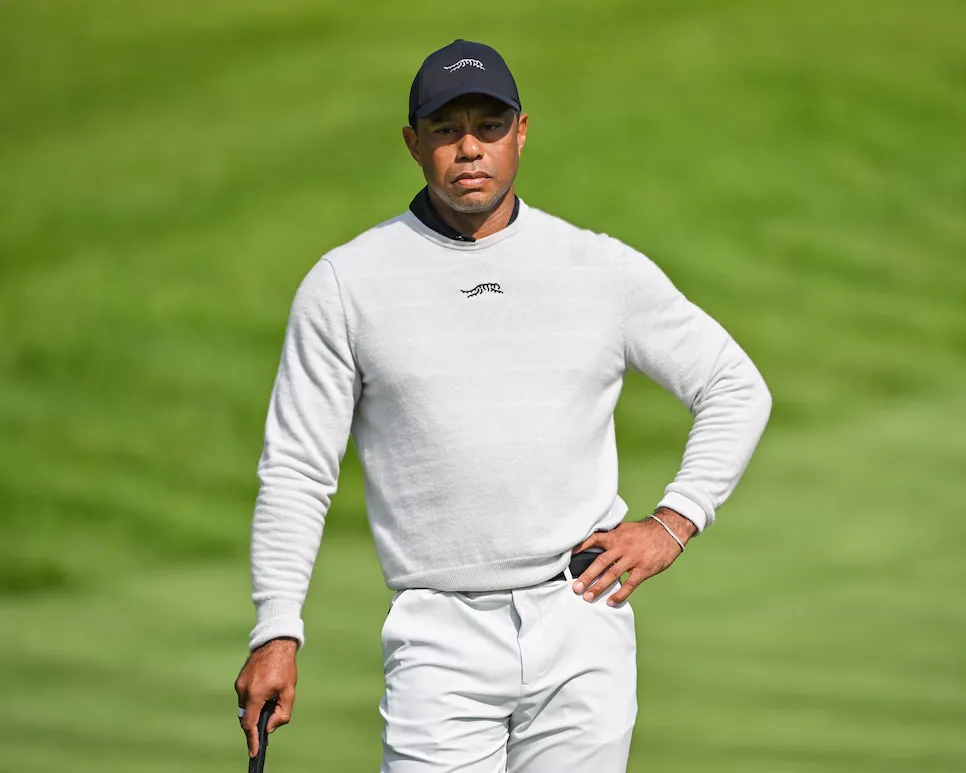
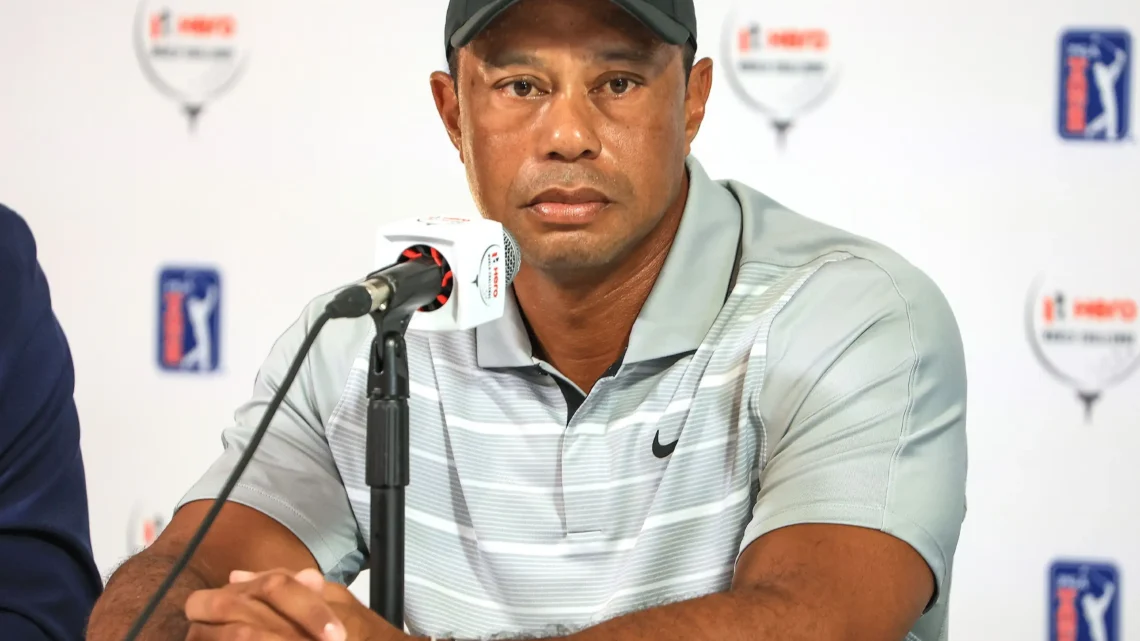
Tiger Woods sits alone atop golf’s wealth rankings, and the distance between him and second place is not close. His PGA Tour career earnings exceed $121 million, an all-time record, yet that figure represents less than a tenth of his total fortune.
The bulk came from endorsements, led by a Nike partnership reported to be worth more than $500 million across its lifetime, along with long-running deals involving Rolex, Bridgestone, TaylorMade, and Monster Energy.
His business interests have widened the gap further. TGR Design handles golf course architecture projects globally, PopStroke has grown into a high-end mini-golf and entertainment chain, and TGL, the tech-driven indoor golf league he co-founded with Rory McIlroy through their TMRW Sports venture, added a new revenue stream in 2025.
No other golfer in history has converted on-course dominance into off-course income at this scale, and few athletes in any sport have managed it either.
2. Greg Norman — $450 million
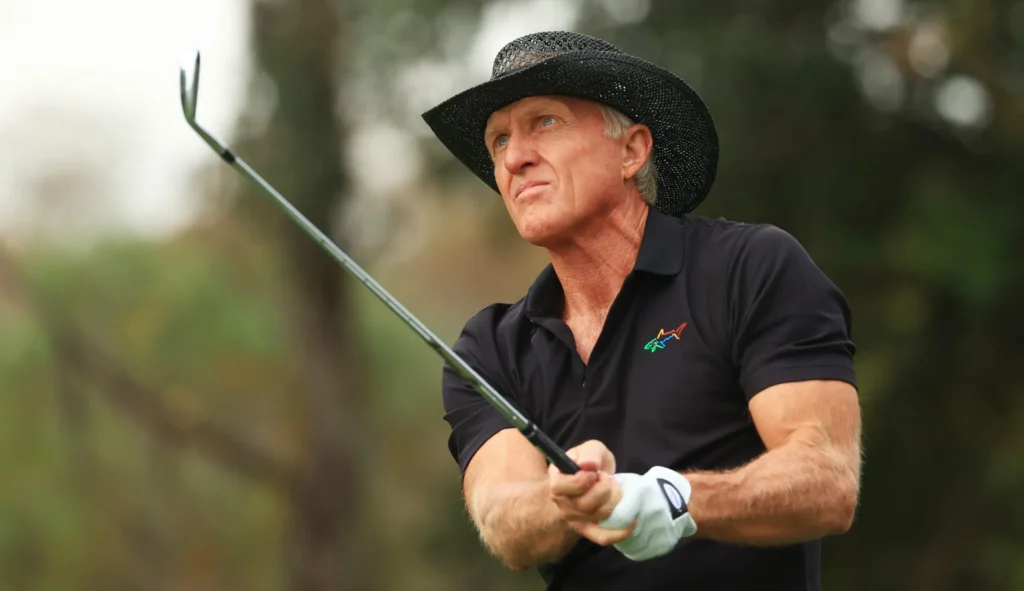
The Australian Greg Norman, known as the Great White Shark, spent 331 weeks as World No. 1 during his playing career, but the wealth accumulated after retirement dwarfs what he earned while competing.
Great White Shark Enterprises spans golf course design, real estate, apparel, and wine. His fortune surged again when he became CEO and public face of the Saudi-backed LIV Golf circuit, a role that added equity stakes and executive compensation on top of an already diversified portfolio.
3. Jack Nicklaus — $400 million
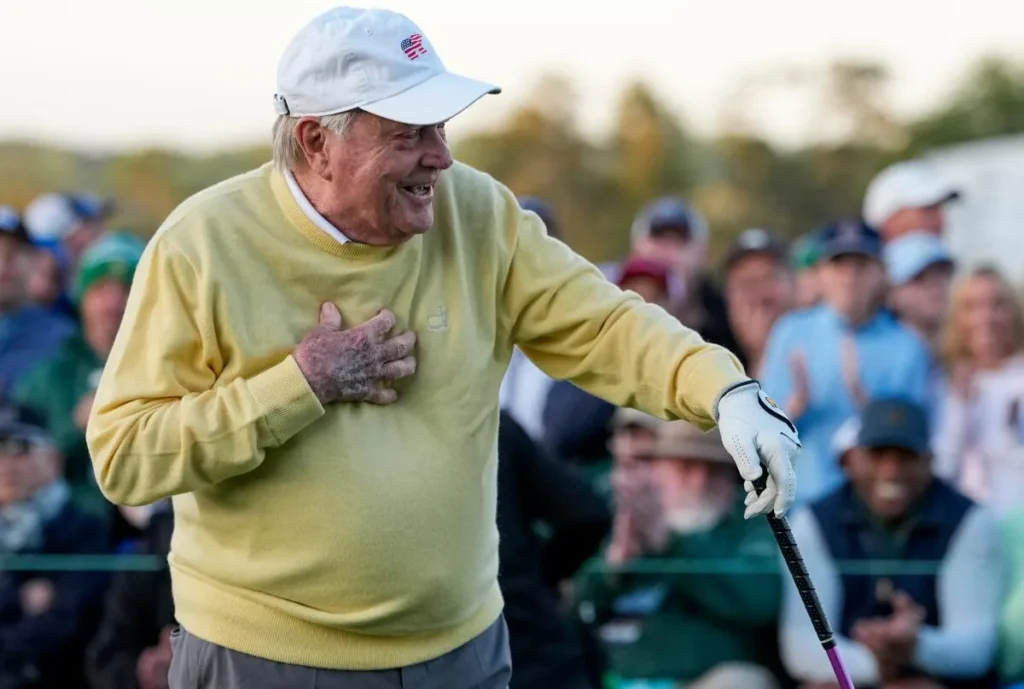
Golf’s most decorated major champion, with a record 18 titles, competed during an era when purses were modest by modern standards.
Jack Nicklaus built the bulk of his $400 million fortune after leaving competitive golf behind. Nicklaus Design is widely regarded as the most prestigious course architecture firm in the sport, with more than 430 completed projects across six continents.
4. Phil Mickelson — $350 million
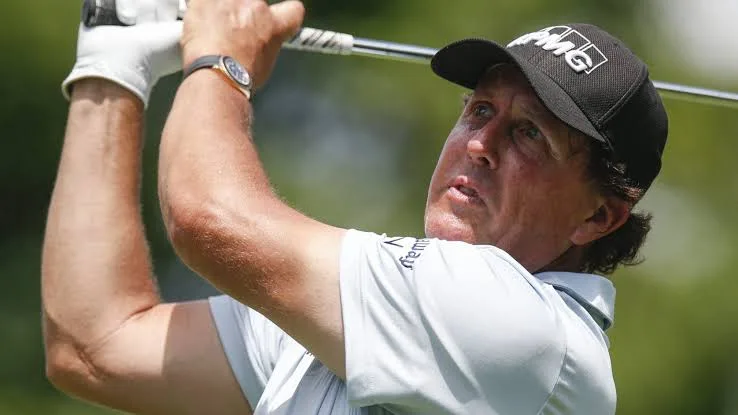
Phil Mickelson won 45 times on the PGA Tour and earned close to $100 million in official prize money, a threshold only a small handful of players have crossed. Sponsorship deals with Callaway, Rolex, and KPMG supplemented that income for years.
The single largest jump in his net worth came when he became the highest-profile defector to LIV Golf, reportedly securing a $200 million guaranteed signing bonus. Controversial public remarks have since reduced his traditional endorsement portfolio, and the majority of his current income now flows through LIV commitments rather than fresh brand deals.
5. Rory McIlroy — $330 million to $350 million
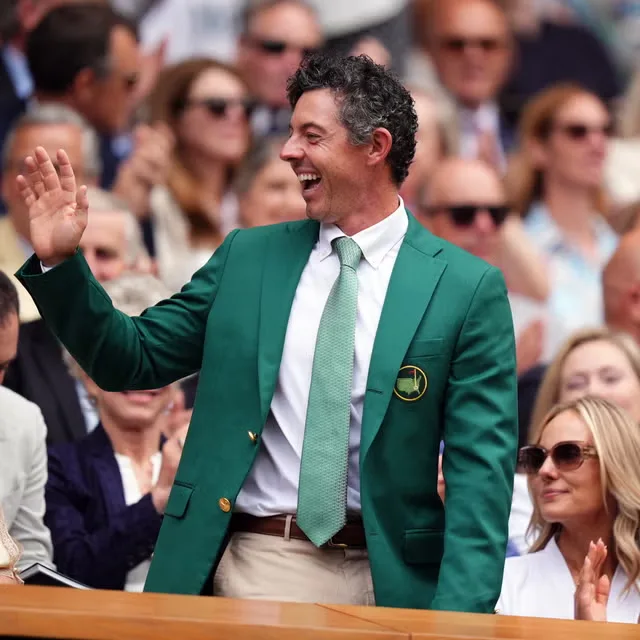
Rory McIlroy, who completed the career Grand Slam at the 2025 Masters, ranks as the highest-placed European on this list and one of the most commercially powerful athletes in any sport.
A $100 million Nike contract, a long-term TaylorMade equipment deal, and partnerships with Omega, NBC Sports, and Workday generate more than $40 million a year in off-course income.
On the course, he trails only Woods on the PGA Tour’s all-time career earnings list, with $115.6 million through May 2026. He has publicly turned down reported offers to join LIV Golf, a decision that has shaped how his brand is perceived relative to peers who took guaranteed money.
6. Gary Player — $250 million
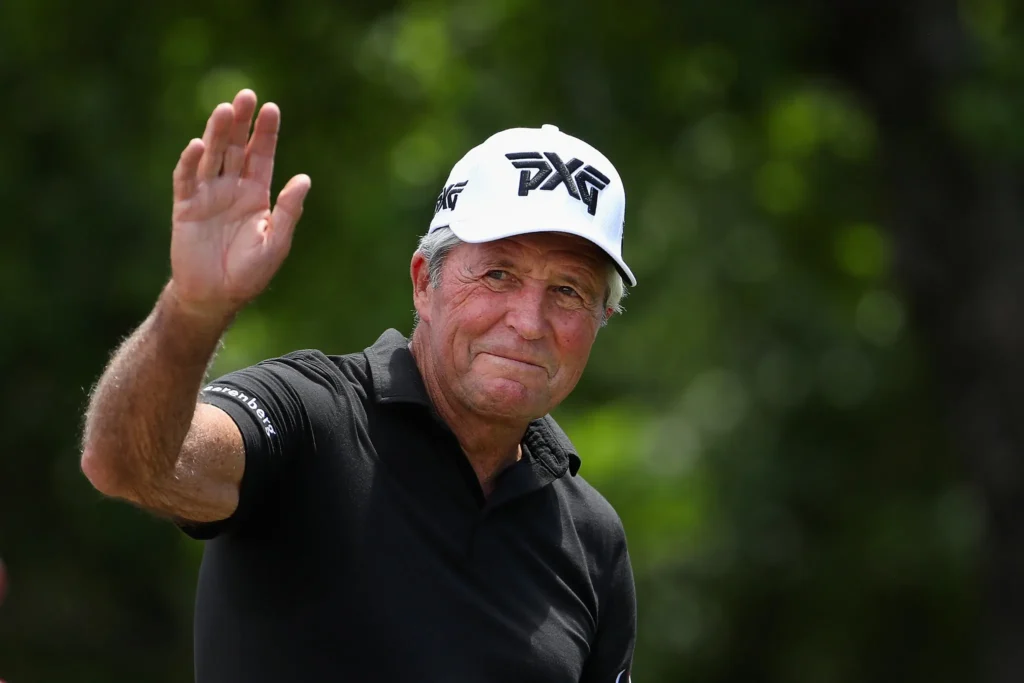
Golf’s Black Knight, who turned 90 in November 2025, remains an active presence in the game more than five decades after turning professional. Gary Player accumulated over 160 professional wins worldwide across his career, but prize money during his prime was a fraction of today’s purses.
His $250 million fortune was built primarily through global branding, corporate speaking engagements, exhibition events, and more than 150 golf course design projects, with particular strength in Asian markets and his native South Africa.
7. Jon Rahm — $200 million to $300 million
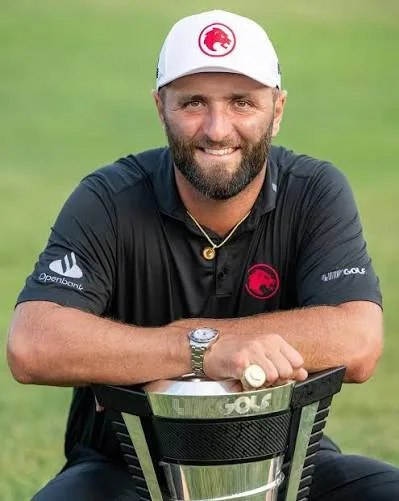
Jon Rahm represents the fastest financial ascent in modern golf history. Having turned professional only in 2016, the Spaniard’s wealth accelerated dramatically when he signed a reported $300 million contract to join LIV Golf in 2023, with roughly half reportedly paid upfront.
By May 2026, he had accumulated 11 PGA Tour wins, eight DP World Tour wins, and four LIV Golf victories. His combined on-course earnings across tours exceed $85 million, with sponsorships from Callaway, Mercedes-Benz, and Rolex adding to the total.
Rahm’s case is often cited as the clearest evidence that a single contract decision can now outweigh years of tournament performance in shaping a golfer’s net worth.
8. Dustin Johnson — around $100 million
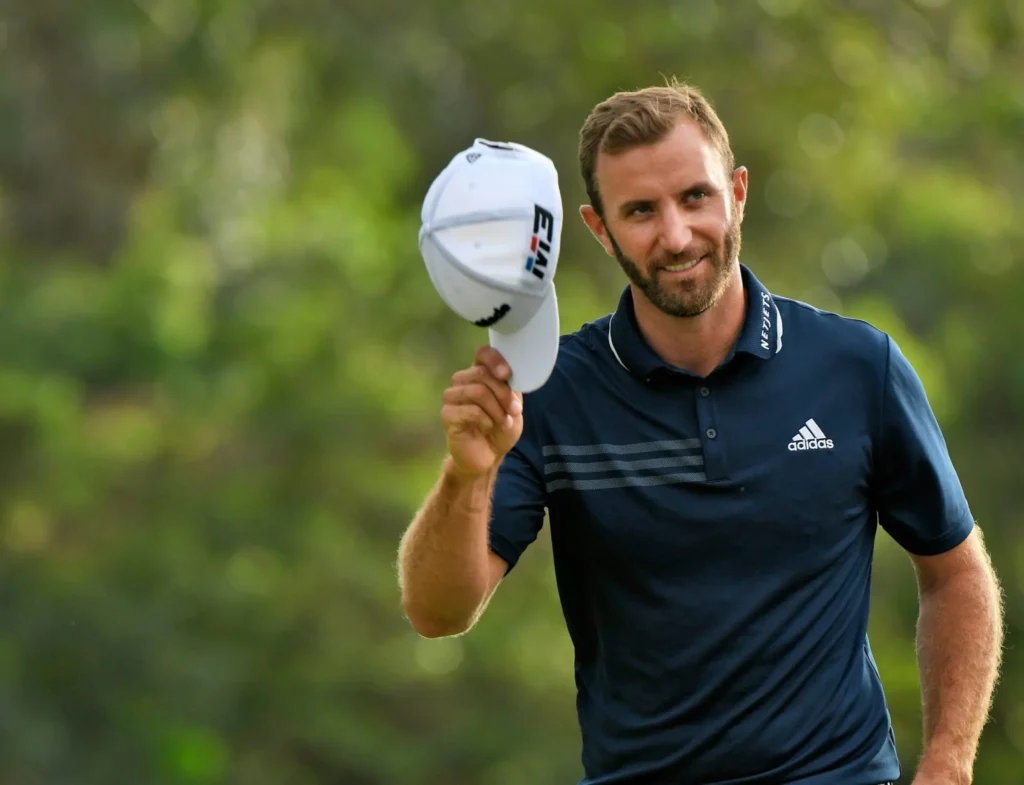
Dustin Johnson built his fortune through two majors, including the 2016 U.S. Open and the 2020 Masters, and 24 PGA Tour victories before joining LIV Golf.
His move to the Saudi-backed league brought a substantial guaranteed contract on top of prize money that already ranked among the top five all-time on the PGA Tour money list. His wealth reflects a career built on consistency at the highest level rather than a single transformative business venture.
9. Sergio Garcia — around $100 million
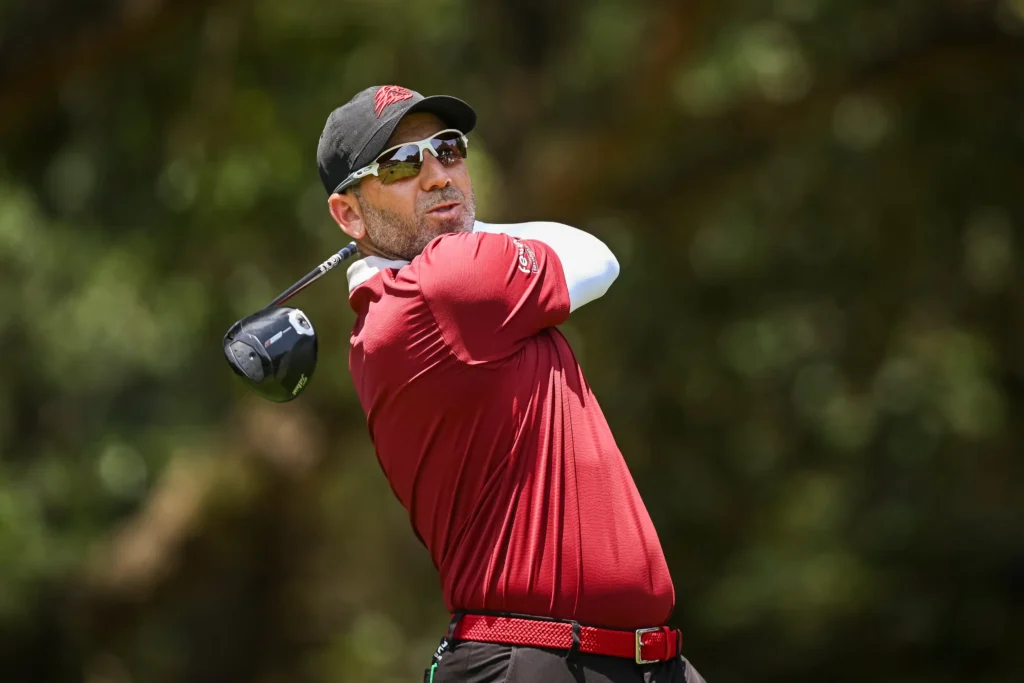
Sergio Garcia turned a long, occasionally frustrating major championship drought into eventual triumph, winning the 2017 Masters after 74 major appearances.
The Spaniard’s net worth grew steadily through equipment and apparel sponsorships before a LIV Golf contract added a significant layer of guaranteed income. His longevity on tour, spanning more than two decades at the elite level, has made him one of the more consistently well-compensated players outside the very top tier.
10. Ernie Els — around $85 million
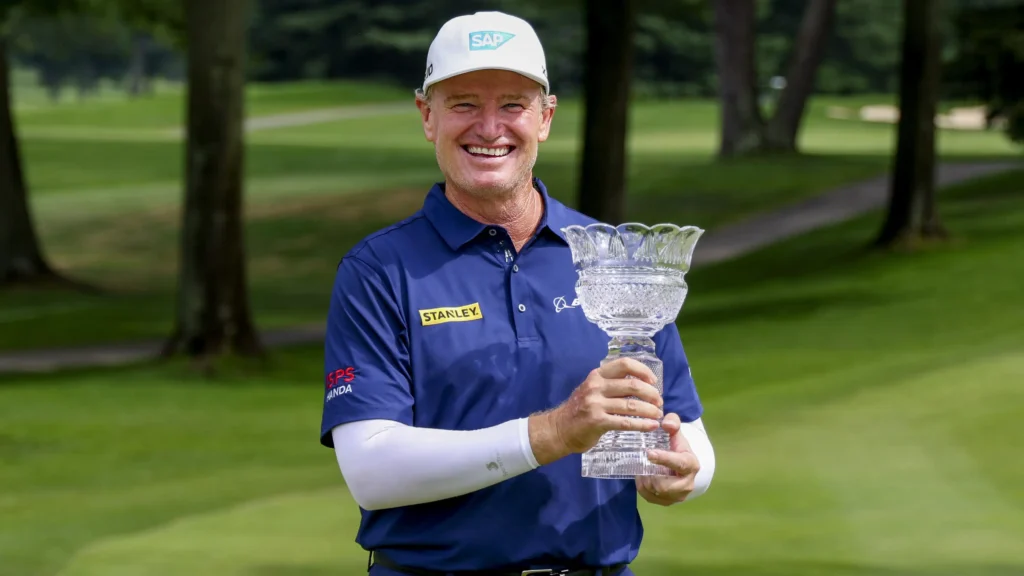
Known throughout the golf world as The Big Easy for his fluid swing, Ernie Els won four major championships, including the U.S. Open twice and the Open Championship twice.
Beyond tournament earnings, which rank among the top all-time on the PGA Tour money list, Els has built a substantial course design business and runs a charitable foundation supporting junior golf development in South Africa.
His fortune illustrates a more traditional wealth-building path, one built on sustained excellence rather than a single guaranteed contract.
The Golfer Just Outside the List: Scottie Scheffler
Current World No. 1 Scottie Scheffler has not yet cracked the lifetime net worth rankings, but his trajectory suggests it is only a matter of time.
His PGA Tour career earnings reached $110.4 million through May 2026, and annual income between prize money and sponsors including Nike and TaylorMade is estimated at more than $80 million.
Alongside McIlroy and Rahm, Scheffler looks positioned to reshape the order beneath Woods over the next several years, particularly if he continues the level of dominance that produced six wins, including two majors, in 2025.
What This List Reveals About Modern Golf Wealth
A pattern emerges once these ten fortunes are placed side by side: playing success functions as a starting point rather than an endpoint. Every golfer on this list derived the majority of net worth from endorsements, course design, business ventures, or league contracts rather than tournament prize money alone.
That distinction matters for anyone trying to understand golf’s economics, because it explains why a player like Norman, whose major championship total is modest by elite standards, sits comfortably ahead of golfers with considerably longer trophy cabinets.
It also explains why LIV Golf’s arrival changed the calculus so quickly. Guaranteed contracts compress decades of potential prize money into a single signing, which is precisely how Mickelson and Rahm added hundreds of millions to their respective fortunes within a matter of months rather than years.
Whether that model proves sustainable for the league itself remains a separate question, but its effect on individual player wealth has already reshaped this list once and will likely do so again.
For golfers still building their fortunes, Woods’ example remains the industry’s clearest lesson: the largest paydays in golf rarely come from the golf course itself.
What People Ask