
I Almost Destroyed My Health Chasing a Six-Pack, Then a Stranger in a Gym Changed Everything
Three years ago, I walked into a hospital smelling like pre-workout and regret.
My doctor, Dr. Amelia Hurst, looked at my bloodwork the way a mechanic looks at an engine that should not still be running.
Trending Now!!:
She set the paper down slowly, folded her hands, and said, “Your cortisol levels are through the roof. Your gut is inflamed. You’re sleeping four hours a night and calling it discipline. You don’t have a fitness routine. You have a punishment ritual.”
I stared at her. I had abs. I meal-prepped every Sunday. I had a supplement shelf that looked like a GNC storage room. How was I the sick one in this conversation?
Let me back up.
My name is Marcus, and for over a decade I have worked as a certified fitness coach, nutritionist, and what I now call a “recovery specialist,” which is just a fancy way of saying I help people stop destroying themselves in the name of wellness.
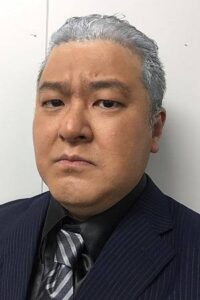



But before I ever helped anyone else, I spent the better part of my late twenties treating my body like a machine that only needed fuel and punishment, with zero interest in rest, mental health, or anything that could not be measured in reps.
I was the guy who preached clean eating at the top of his lungs while secretly surviving on four hours of sleep, three cups of black coffee before 9 a.m., and a level of chronic stress that would make a trauma therapist weep.
The gym was my church and my prison at the same time.
Every morning at 5 a.m., the alarm screamed. My apartment was still dark, cold in that particular way that makes you question every life decision you have ever made. I would drag myself off the mattress, step over the foam roller I always meant to use and never did, and stare at my reflection in the bathroom mirror like I was studying an enemy.
“Not lean enough,” I would think. “More cardio today.”
My training partner at the time, a guy named Dre, started noticing things before I did. Dre was one of those rare gym people who actually read books outside the fitness world, and he had this habit of watching you when he thought you were not looking.
One Tuesday morning, I dropped a barbell mid-set. My hands just gave. I had not eaten since 6 p.m. the previous day because I was experimenting with an aggressive intermittent fasting window, the kind with no medical supervision and too much YouTube confidence.
Dre walked over, sat on the bench next to me, handed me half of his banana, and said, “Bro. You look like your body is eating itself.”
“That’s the point,” I said, half joking. “Fat oxidation.”
He did not laugh. He said, “Man, fat oxidation and starvation look identical until one of them puts you on the floor.”
I ignored him, as I always did when someone tried to interrupt the narrative I had built around suffering equaling progress.
The real breaking point came six weeks later, not dramatically, not in some cinematic collapse. It came quietly, which is how most health crises actually arrive. I was sitting in a coffee shop on a Wednesday afternoon, laptop open, trying to write a meal plan for a new client. The words on the screen started sliding. Not blurring, actually sliding, like someone had tilted the whole room two degrees to the left.
I put my coffee down. My heart was doing something irregular and unsettling, like a drummer who had lost the beat.
The man at the next table, older, silver-haired, reading a physical newspaper like it was still 1987, looked over at me and said calmly, “You okay, son? You went the color of printer paper just now.”
His name, I would later find out, was Gerald. Retired cardiologist. Of all the coffee shops, of all the tables.
“I’m fine,” I said, because that is what we always say.
“You’re not,” he replied, folding his newspaper with the patience of a man who had heard “I’m fine” from people coding on gurneys. “Drink some water. Actual water, not that,” he added, gesturing at my coffee.
We ended up talking for two hours. Gerald did not lecture me. He just asked questions, the kind that a good doctor asks, the kind that make you hear your own answers like a stranger is giving them.
“How long have you been sleeping less than six hours?”
“About two years,” I said.
He nodded slowly. “And how’s your mood? Irritable? Low patience?”
“I mean, people are just annoying,” I said.
He smiled. “That’s cortisol talking, not character.”
That line cracked something open in me. Cortisol, the stress hormone, the thing that spikes when your body thinks it is under threat, had been running my personality for two years and I had been blaming other people for it.
Gerald pulled out a small notebook, the kind with a leather cover, and wrote four words. He slid it across to me. It read: sleep, eat, breathe, then train.
“That’s the actual order,” he said. “Everything you’re doing, you have it backwards.”
I took the notebook. I still have it.
The appointment with Dr. Amelia came two weeks after the coffee shop. She confirmed what Gerald had essentially diagnosed over an Americano and a newspaper. Elevated cortisol, disrupted circadian rhythm, early markers of adrenal fatigue, gut inflammation from chronic undereating and overtraining, and a sleep debt that would take months of consistent work to clear.
She leaned back in her chair and said, “The irony of fitness culture is that it convinces some of the unhealthiest people they are the healthiest people in the room. You were optimizing performance while your internal systems were burning.”
I sat there in my gym hoodie, in the best shape of my visible life, and felt genuinely humiliated.
“So what do I do?” I asked.
She said, “You start treating recovery as training. Sleep hygiene is not soft, it’s physiological maintenance. Stress management is not weakness, it’s how you keep your hormones from working against you. And please, eat carbohydrates. You are not a ketone-powered robot.”
I almost laughed. Almost.
The next six months were the strangest of my fitness life because they looked like nothing from the outside. I slept eight hours. I walked instead of running on some mornings, just walked, in actual sunlight, which I had been told does things for serotonin and circadian regulation that no supplement stack can replicate.
I saw a therapist named Priya, a calm woman with an office full of plants, who helped me understand that the obsessive relationship I had with my body was not discipline, it was anxiety wearing a gym membership.
Priya said something in our third session that I have repeated to clients more times than I can count. She said, “There is a difference between taking care of your body and punishing it for not being enough. One comes from love. The other comes from fear. They can look identical from the outside.”
I wrote that one down too.
The physical changes came, but slowly, and in ways I had not expected. My inflammation markers dropped. My sleep quality, tracked obsessively with a monitor, moved from light fragmented cycles to long, deep restorative stretches.
My gut health improved once I stopped intermittent fasting with the aggression of someone preparing for war and started eating balanced whole foods at reasonable intervals. My resting heart rate came down. My mood, as Gerald had predicted, stopped being a cortisol performance and started feeling like an actual personality again.
And then, something happened that surprised me more than any blood result.
I got strong. Actually, sustainably strong. Not just visually lean, but strong in the way that lasts, the kind that comes when your nervous system is not suppressed, your hormones are balanced, and your body finally trusts that you are not going to starve or destroy it.
Dre saw me at the gym about seven months into the turnaround. He looked me up and down the way a man does when the math does not add up. I was eating more, training less intensely, sleeping like it was my job, and looked better than I ever had during the punishment years.
He said, “What are you on?”
I said, “Eight hours of sleep, therapy, and carbohydrates.”
He blinked. “Bro.”
“I know,” I said.
That conversation became the seed of the coaching practice I run today. I work primarily with high-functioning people, entrepreneurs, athletes, executives, who are technically “healthy” by conventional metrics but are quietly running on cortisol, caffeine, and chronic stress while their inflammation climbs, their gut microbiome collapses, and their mental health frays like old rope.
The things I teach now are not complicated. Prioritize sleep quality before you prioritize training volume. Manage stress as seriously as you manage macros, because unmanaged psychological stress will undo clean eating faster than a cheat meal ever could.
Understand the relationship between gut health and mental health, because the gut-brain axis is not a wellness buzzword, it is a bidirectional communication highway and it runs whether you acknowledge it or not. Use mindfulness and breathwork not as spiritual accessories but as physiological tools for nervous system regulation. And stop treating rest days like failures.
Last year, a 34-year-old woman named Serena came to me. Startup founder, looked fantastic, had not had a full night’s sleep in eight months. She opened with, “I just need a better workout plan. I think I’m not training hard enough.”
I looked at her intake form. Four hours of sleep. Skipping meals. Three to four coffees before noon. Resting heart rate of 88.
I said, “I don’t think your problem is your workout plan.”
She frowned. “Then what is it?”
I said, “Your body is in a state of chronic fight-or-flight. Adding more training to that is like adding weight to an already cracking bridge.”
She was quiet for a moment, then said, “My therapist said something similar. I told her I didn’t have time for therapy.”
“And how’s that working?” I asked.
She laughed, the slightly tired laugh of someone who knows the answer and has been avoiding it. “Not great.”
Serena and I worked together for four months. We built a holistic wellness protocol around sleep optimization, anti-inflammatory nutrition, a sustainable workout schedule with real recovery built in, stress management strategies, and consistent mental health support.
By month three, her resting heart rate was 64. She was sleeping six to seven solid hours and climbing. Her focus at work had improved enough that her co-founder noticed and asked if she had changed her diet, which she had, but that was only one piece.
She texted me after her quarterly bloodwork came back and said, “My doctor asked what I changed. I said everything. She said keep doing it.”
I smiled at the phone and thought about Gerald and his leather notebook.
The thing about health and wellness, the real version, not the version sold through filters and transformation photos, is that it is fundamentally boring from the outside. It is a 10 p.m. bedtime on a Friday. It is a walk in the morning before the emails start.
It is saying no to the third coffee and yes to the glass of water. It is therapy appointments and breathwork sessions and meals that do not photograph particularly well but make you feel human.
It is not a before and after. It is a thousand small decisions that compound across years.
I did not learn this from a textbook. I learned it from a hospital chair, a coffee shop conversation with a retired cardiologist, a therapist with too many plants, and a body that was generous enough to survive the years before I understood what taking care of it actually meant.
If you are reading this and you recognize yourself in the early version of me, the one who confused suffering with progress and exhaustion with dedication, I want you to know that the most advanced thing you can do for your physical health right now might not be in the gym at all. It might be in your sleep routine.
It might be in a conversation with a professional. It might be in finally eating the meal your body has been asking for while your discipline told you no.
The six-pack is not worth the cortisol. Trust me on that one.
I have the bloodwork to prove it.