I Sent a Stranger 38,000 Reais Because His Voice Notes Made Me Feel Loved
I met Renato on a Tuesday night in São Paulo, scrolling through Instagram in my kitchen on Rua Augusta while my rice burned on the stove.
He had commented on a photo I posted of the sunset over Avenida Paulista, something simple, something that felt real. That sky looks like it’s on fire, and so does the woman standing under it.
Trending Now!!:
I laughed out loud. Alone. In my kitchen. With burnt rice.
His profile said he was an engineer working on an oil rig near Macaé, originally from Portugal, widowed, one daughter in boarding school in Lisbon. Handsome in a soft, tired way, like a man who had seen too much and wanted someone gentle to come home to.
We messaged for three days straight before he asked to move to WhatsApp. Instagram feels cold, he said. I want to actually talk to you.
So we talked. Every single day for eight months.



He called me querida before I even told him he could. He asked about my mother’s health, about the bakery where I worked near Mercado Municipal, about whether I still played the guitar my father left me. He remembered things. Small things.
The name of my childhood dog, Mostarda. The fact that I hated cilantro and loved bad telenovelas. He would send voice notes at odd hours, his voice low and careful, saying things like I know this is strange, falling for someone through a screen, but I haven’t felt this in years, Camila.
I told my best friend Juliana about him over coffee at a padaria near Praça da Sé.
You’ve never even seen him video call, she said, stirring sugar into her cafezinho like she was trying to drown it.
He says the rig has bad signal, I said. He says the connection cuts out.
Every time?
Every time.
She gave me a look I chose not to understand.
By month four, Renato told me he loved me. Not in a rushed way. He built up to it slowly, like a man laying bricks one at a time, and by the time he said it, it felt earned. I said it back. I meant it. I know how that sounds now, but at the time it didn’t feel foolish. It felt like the first warm thing that had happened to me since my father died.
By month six, he told me about the contract. A shipment of equipment for the rig, stuck at customs in Santos, and he needed eleven thousand reais to release it, just until his salary cleared at the end of the month. He hated asking. He said it made him feel small. If I had anyone else in the world, Camila, I would ask them instead. I only have you.
I sent it in two transfers over three days, because my bank flagged the first one as suspicious and I got annoyed at my own bank for not trusting the man I loved.
By month seven, there was a medical emergency involving his daughter in Lisbon. Then a problem with his visa renewal. Then a corrupt port official demanding a bribe to release equipment that, in hindsight, never existed at all. Each time, he cried on the voice notes. Real crying, or something close enough that I couldn’t tell the difference, and honestly, I still can’t.
By month eight, I had sent him almost thirty-eight thousand reais. Nearly everything I had saved to open my own little bakery, the one I used to talk to him about at night, the one he said he’d help me build a website for once he was back on land for good.
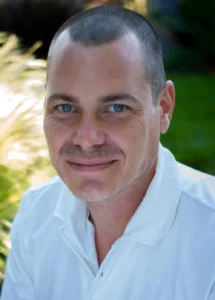
Then, one Thursday, I saw a post shared in a Facebook group called Golpes do Amor, Love Scams, run by women trying to protect other women. Someone had posted a photo. Renato’s face. Except in that post, his name was Marcus, and he was supposedly a British surgeon working in Yemen, and the woman posting said he’d taken forty thousand reais from her over a similar story about customs and contracts and a daughter who needed surgery.
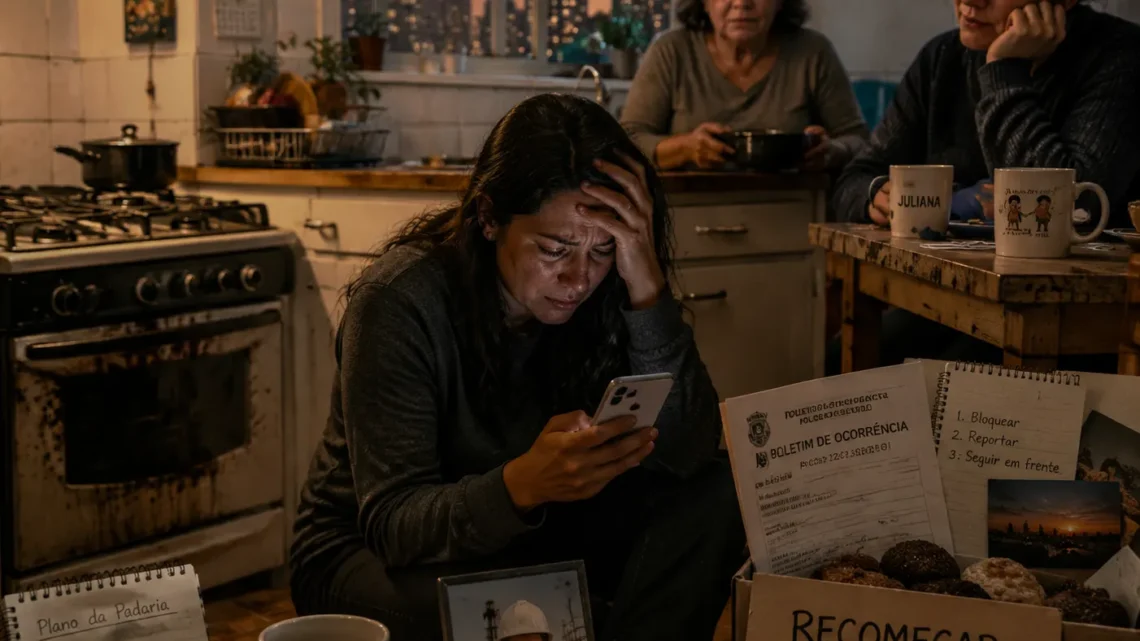
I sat on my kitchen floor with my phone in my hand for a long time.
I want to tell you I confronted him with fire in my voice, that I said something sharp and unforgettable, the kind of line people quote in movies. I didn’t. I just typed, I know what you are, and sent it.
The two blue ticks appeared. Then nothing. Then, twenty minutes later, one final voice note.
I didn’t listen to it for three days. When I finally did, sitting on the same kitchen floor, his voice was calm, almost gentle, like none of it had ever been urgent at all. I really did care about you, Camila. That part was real, even if nothing else was.
I don’t know if I believe him. I don’t know if it matters whether I believe him.
I reported the number. I reported the profile. I filed a police report at the delegacia near Sé that took four hours and resulted in a case number I still have saved in my phone, right below his old contact, which I haven’t deleted, which I probably should delete, which I open sometimes at two in the morning just to look at the photo, the handsome tired man on an oil rig that doesn’t exist.
Juliana helped me start a fund to rebuild what I lost. Not the money. The other thing. The part of me that used to believe a stranger’s kindness at face value.
My mother, when I finally told her, didn’t say I told you so, even though she’d asked me twice why my boyfriend never once appeared on video. She just made me a big pot of feijoada and sat with me while I ate it, and said, Love that only exists through a screen isn’t love, Camila. It’s a very well written story, and you were a very good reader.
I still make bakery plans. Smaller now. Slower. I sell coxinhas and brigadeiros from a little stand near Vila Madalena on weekends, saving up again, one real at a time, the honest way.
Sometimes I still get comments on my sunset photos from men I’ve never met, calling me querida before they even know my name, and every single time, my stomach drops in a way that has nothing to do with romance and everything to do with recognition.
I have learned to block first and wonder later.
The last thing my father ever taught me before he died was how to tell if a melon was ripe just by knocking on it, listening for the right kind of hollow sound underneath the skin.
I wish someone had taught me how to knock on a man’s voice the same way, and hear the hollow sound hiding underneath his.